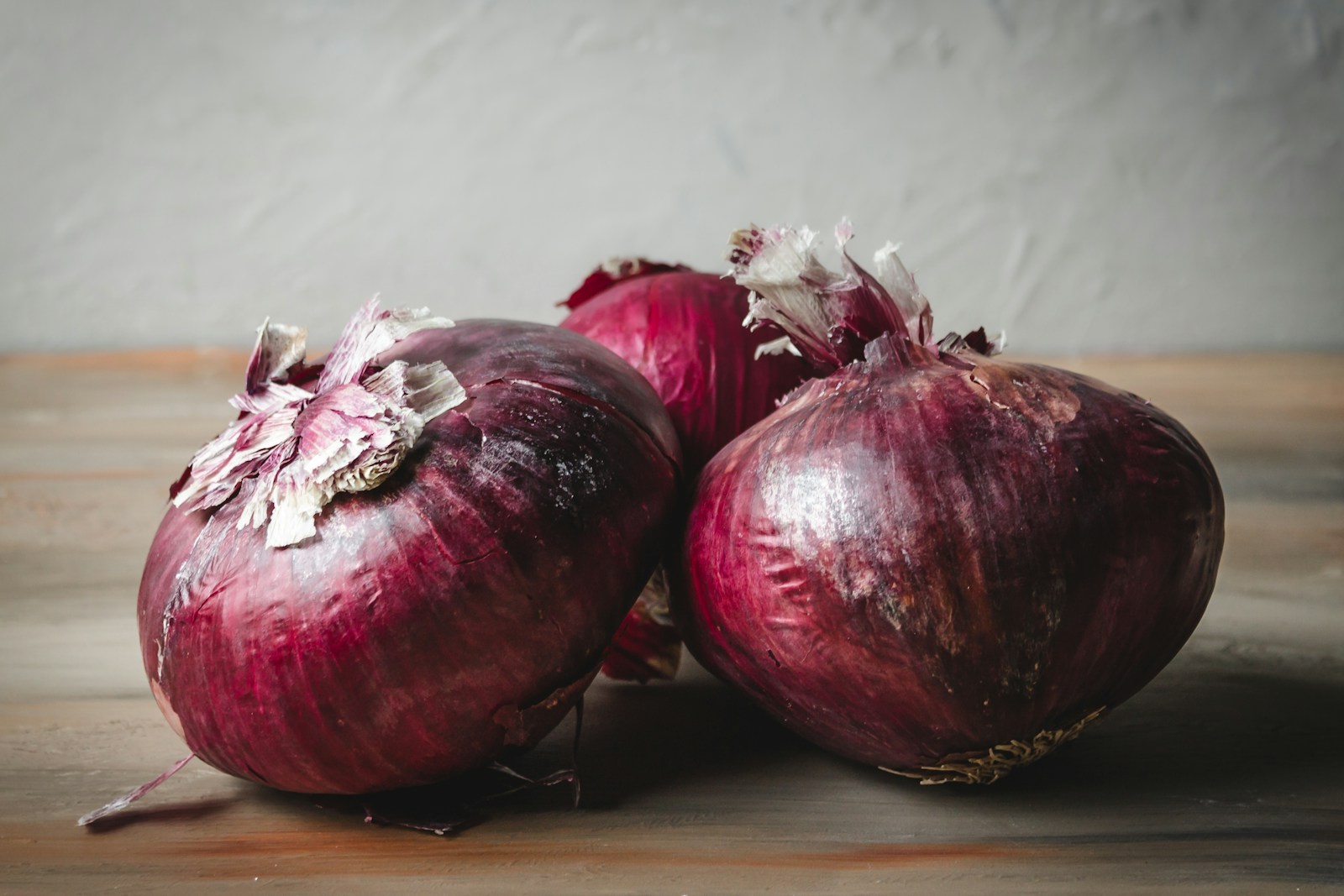
Onions sit at the heart of so many meals. Soups, stews, sauces, roasts, grills. Most of them begin with that simple step: chop an onion and get it sizzling.
In this Onion Growing Masterclass, we walk with Ben through every stage. We start with tiny seeds. We look at easy onion sets. We move through soil prep, spacing, feeding, and care. Then we bring it all home with harvesting, curing, and storing big, sweet, home-grown bulbs.
This guide follows the same clear, calm style as Ben’s episode. Step by step. No fuss. Just solid actions you can take in your own garden.
Know Your Onion Type Before You Start
Onions are not all the same. The type you choose must match your daylight and climate. This part matters more than any fancy feed or gadget Year in the Veg Garden.
Onions fall into three main “day-length” groups:
- Short-day onions start to form bulbs once day length reaches about 10–12 hours. They suit the South and warm-winter regions.
- Intermediate-day (or day-neutral) onions bulb at around 12–14 hours of daylight. They fit mid-latitude areas.
- Long-day onions need roughly 14–16 hours of daylight and grow best in northern regions with long summer days.
Short-day types often taste milder and sweeter but do not store as long. Long-day varieties tend to be stronger and keep for months in storage.
Once you match onion type to your region, you are already halfway to success.
Seed Or Sets: Two Easy Ways To Grow
Ben shows both methods in the episode. Each one has clear strengths.
Growing from seed
Seed gives you:
- The widest choice of colours, shapes, and flavours
- Strong, well-rooted plants
- Often the biggest bulbs and best storage
Onion seed needs fresh, fertile soil in full sun. Onions are cool-season crops Viola Orange Jump-up and grow best in fertile, well-drained ground with plenty of organic matter mixed in.
You can:
- Start seeds indoors 8–12 weeks before planting outside
- Sow seeds directly in the garden as soon as soil can be worked in early spring, in suitable climates
With seed, you invest more time at the start. In return, you gain stronger plants and often better results.
Growing from sets
Onion sets are small, partly grown bulbs. They feel almost like marbles in your hand. They are fast and very simple to handle.
Sets give you:
- Very easy planting
- A strong head start in cold or heavy soils
- A shorter path from planting to harvest
Because they have already grown once, sets can “bolt” (throw up flower stalks), especially if they are large. To reduce this, many extension guides suggest using sets under about 1 inch in diameter.
Sets are ideal if you want an easy, beginner-friendly route or you start late in the season.
Step 1: Prepare The Soil Like Ben
Onions love rich soil and hate competition. Soil prep is where big bulbs are born.
Pick the right spot
Onions need:
- Full sun
- Soil that drains well
- A reasonably neutral pH (slightly acidic to near neutral)
Most extension services describe onions as cool-season vegetables that thrive in fertile Viola Marina, well-drained soils with plenty of added organic matter.
Feed the soil
Before you plant:
- Spread 1–2 inches of compost or well-rotted manure over the bed
- Lightly fork or rake it into the top layer
- Remove stones and large clumps
Compost gives onions a slow, steady flow of nutrients and keeps the soil open and crumbly.
Lay out your rows or blocks
Most guides suggest:
- Rows 12–18 inches apart for easy access and airflow
Ben often works in simple rows you can reach from each side. You can also use square beds and plant in a grid.
Step 2: Sowing Onions From Seed
Sowing seed feels magical. You start with tiny specks and end with a basket of bulbs.
Sowing indoors
For many climates, starting seed indoors gives the best head start.
Simple steps:
- Fill clean trays or modules with a fine seed-starting mix.
- Sow seeds about ¼ inch deep.
- Water gently and keep the mix moist, not soaked.
- Keep trays in a bright, cool place. Many growers aim for around 60–70°F for germination.
- Once seedlings are a few inches tall, trim tops lightly if they flop, to keep them sturdy.
Ben likes to sow fairly thickly, then thin or divide clumps when it is time to transplant.
Direct sowing outside
Where spring comes gently and soil warms early, you can sow seed right in the bed.
- Sow in a 2-inch-wide band, ¼–½ inch deep, in rows 12–18 inches apart.
- Keep the surface moist until seedlings emerge.
- When seedlings reach pencil thickness, thin them to 3–4 inches apart in the row.
Thinnings make excellent mild green onions for the kitchen Viola Honeybee.
Step 3: Planting Onion Sets
Planting sets is where Ben’s masterclass looks almost too easy.
When to plant sets
Onion sets go in the ground several weeks before your last spring frost, as soon as soil can be worked and is not waterlogged. Onions can handle light frosts once established.
How deep and how far apart
Most extension guides suggest:
- Plant sets about 1 inch deep, just enough to cover the bulb and leave the tip near the surface
- Space them 2–4 inches apart in the row, depending on whether you want full bulbs or extra green onions
- Keep rows 12–18 inches apart for easy weeding and good airflow
For big bulbs, aim for 4–5 inches between plants. Closer spacing gives smaller bulbs but more plants per bed.
Ben often uses a simple rhythm. He plants closer if he wants to pull every other plant as a green onion. He plants wider if he wants full-size storage onions.
Step 4: Watering And Feeding For Big Bulbs
Once plants are in, the real job is steady care.
Watering
Onions have shallow root systems. They dry out quickly Viola Black, especially in wind or heat.
- Keep soil evenly moist, especially during active growth and bulb formation.
- Deep, less frequent watering is better than light, daily splashes.
- Avoid waterlogging, which can lead to rot. Good drainage is key.
Mulch with light compost or fine straw once plants are established. This holds moisture and cuts down on weeds.
Feeding
Onions respond well to nitrogen early on for strong leaf growth. More leaves mean more energy for bulbs.
Common advice:
- Mix a balanced fertilizer or compost into the soil before planting.
- Side-dress with a nitrogen source in late spring (for many regions, May and June) to boost growth.
- Stop heavy feeding once bulbs begin to swell, so plants focus on ripening rather than new leaves.
Ben sums this up in plain terms: strong leaves first, fat bulbs later.
Step 5: Weed, Watch, And Support
Weeds are the enemy of onions. They steal light, water, and food from those fine roots.
Keep beds clean
- Hand-weed or hoe regularly while weeds are small.
- Avoid deep cultivation that can slice onion roots or bulbs.
- A thin mulch layer helps a lot with weed control.
Watch for problems
Common issues include:
- Bolting (early flowering), more common from large or stressed sets
- Onion thrips, tiny insects that damage leaves
- Fungal diseases, which can show as spots, mould, or rotting tissue
Good spacing, clean beds, and crop rotation help prevent many problems Viola Beaconsfield. Many guides suggest not growing onions or other alliums in the same spot year after year.
Ben’s habit is simple. He walks the beds often. He looks for yellowing tips, twisted leaves, or odd patches, then acts early.
Step 6: Bulb Formation And What To Expect
Bulbs form when the onion meets its ideal day length and has built enough leaf growth. Photoperiod (day length), along with temperature, controls this switch.
Short-day onions start bulbing once days reach about 11–12 hours. Intermediate types react around 12–14 hours. Long-day varieties wait for 14 hours or more.
This is why the right type for your region matters so much. If you plant a long-day onion too far south, day length never reaches the trigger in time and bulbs stay small.
As bulbs swell:
- Soil may crack a little around each plant.
- The top of the bulb may push partly out of the soil.
- Keep necks free and avoid piling soil over developing bulbs.
At this stage, steady moisture and light feeding support the final size and quality of your harvest.
Step 7: Harvesting, Curing, And Storing
This is the most satisfying part of Ben’s masterclass. A Viola Blue simple tug on each neck and out comes a firm, shining onion.
When to harvest
Onions for storage show clear signs:
- The green tops turn yellow and fall over naturally.
- At least half to three quarters of the tops in the bed have bent and begun to dry.
Pull them gently on a dry day. Shake off loose soil. Leave roots and tops attached for now.
Curing for long storage
Curing dries the outer layers and neck so the bulb seals and keeps well.
Steps:
- Lay onions in a single layer in a warm, dry, airy place, out of direct strong sun.
- Turn them now and then so they dry evenly.
- Cure for two to four weeks, until outer skins are papery and necks are fully dry.
After curing:
- Trim roots.
- Cut tops down to about 1 inch above the bulb.
- Store bulbs in mesh bags, crates, or slatted boxes in a cool, dry, well-ventilated place.
Long-day storage varieties, cured well, can last many months.
Quick Onion Troubleshooting With Ben’s Tips
This masterclass also helps you read what your onions are telling you.
- Small bulbs
Often caused by the wrong day-length type for your region, poor soil, or heavy weed competition. - Plants bolt and flower early
Common with large sets, stress from cold snaps, or sudden swings between wet and dry. Smaller sets and steady care help. - Soft or rotten bulbs in storage
Usually from poor curing, necks not fully dry, or disease. Aucuba japonica Ogon-no-Tsuki Harvest only mature bulbs and cure in warm, airy conditions.
Each season teaches something. Ben’s 2024 highlights show that even experienced gardeners adjust variety choice, timing, and spacing after each harvest.
Growing Great Onions, One Bed At A Time
Onions do not demand clever tricks. They ask for the right variety, good soil, decent spacing, and steady, simple care.
From tiny seeds in trays to rows of sets tucked into rich soil, this Onion Growing Masterclass gives you every step:
- Match onion type to your daylight.
- Prepare fertile, well-drained beds.
- Sow or plant at the right depth and spacing.
- Keep moisture steady and weeds low.
- Watch plants as day length triggers bulb growth.
- Harvest, cure, and store with care.
With those habits in place, you gain more than bulbs. You gain confidence. You gain one more layer of skill in your garden year, just like Ben did through 2024.
And the next time a recipe starts with “chop an onion,” you can reach for your own home-grown harvest, full of flavour and the quiet pride of a crop you guided from seed or set all the way to the kitchen.