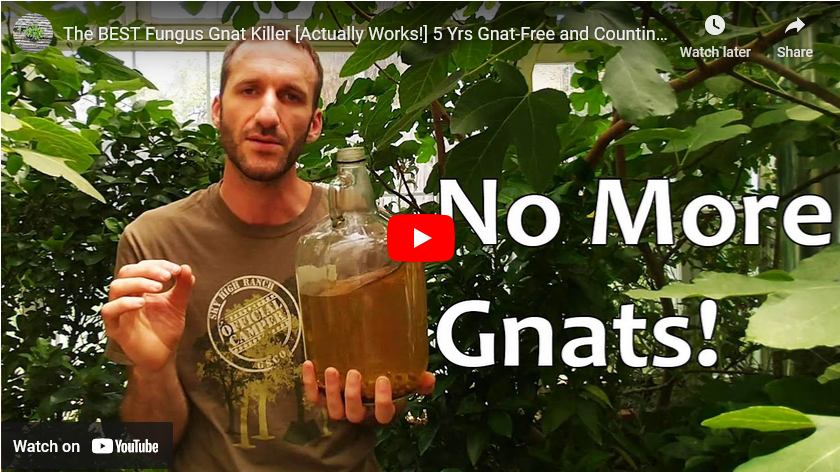
Fungus gnats are tiny dark flies that often show up around houseplants. They like damp potting soil. The adults are annoying, but the young larvae live in the soil.
The good news is that most fungus gnat problems are easy to manage. You usually do not need a harsh spray. A few simple changes can break their life cycle.
Start With the Soil
Wet soil is the main clue. Fungus gnats do well when potting mix stays damp for too long. Let the surface dry between waterings when the plant can handle it. Good drainage also helps. This same habit is useful for many plants in our succulent care guide.
Do not let a plant wilt just to fight gnats. Different plants need different amounts of water. Check the plant first. Then adjust the watering schedule. The University of Minnesota Extension also recommends letting the soil surface dry when possible.
Yellow sticky cards can catch adult gnats. They also make it easy to see if the problem is getting better. I like them because they are simple. You can find yellow sticky traps for houseplants in many sizes.
Keep new plants apart for a short time before adding them to a large collection. Check the soil and leaves first. This is especially useful if you enjoy building a large houseplant collection. A plant such as Begonia brevirimosa can also get fungus gnats when its soil stays too wet.
Control the Larvae Too
Sticky traps only catch adults. The larvae are still in the soil. That is why a good plan works on both parts of the life cycle.
Beneficial nematodes can help. Some species hunt fungus gnat larvae in moist soil. Mix and apply them exactly as the label says. Fresh products matter because nematodes are living organisms. If you want to compare options, look for beneficial nematodes for fungus gnats.
Another useful option is Bacillus thuringiensis israelensis, often called Bti. It targets fungus gnat larvae when used in the soil. Follow the product label. Do not assume that more is better.
Keep the Problem From Coming Back
Use clean pots and fresh mix when you repot. Empty standing water from saucers. Remove dead leaves from the soil surface. These small jobs make the pot less inviting to gnats.
Watch plants that need moist soil more closely. Our guide to growing carnivorous plants indoors is a good example. Some plants cannot simply be kept dry, so traps and larval control become more important.
Fungus gnats are frustrating, but the fix can stay simple. Water with care. Catch the adults. Treat the larvae when needed. Then keep watching the pots for a few weeks. That steady routine usually works better than chasing every flying gnat with a spray.