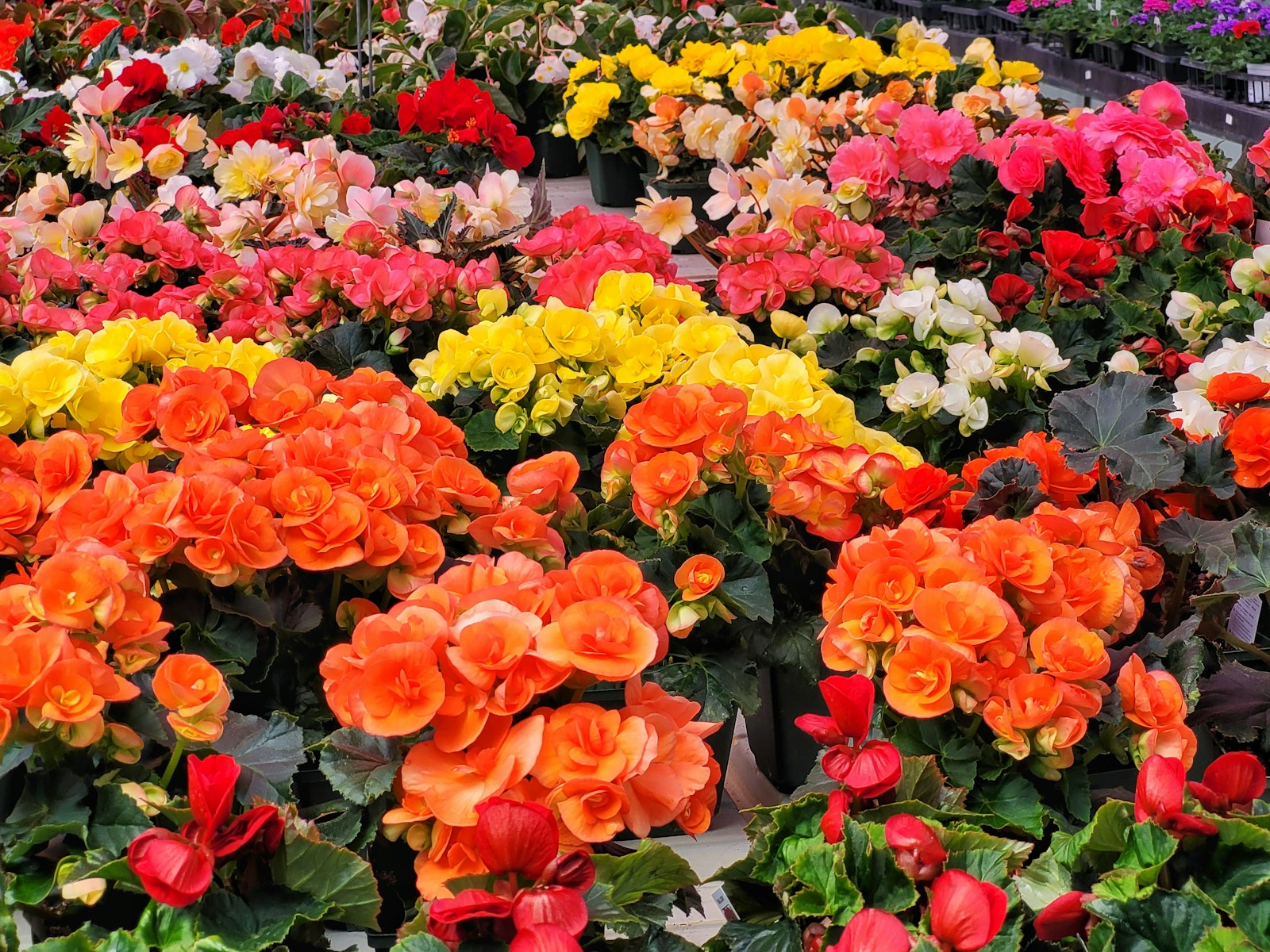
Shopping for plants in Needham can be simple. The key is knowing what you need before you walk into a greenhouse or garden center.
A good local shop can help with plants, soil, tools, mulch, and advice. A larger garden center can give you more choices when you are planning a bigger project.
Needham also has a strong seasonal rhythm. Spring is busy. Summer is about care. Fall is a great time for many hardy plants and bulbs.
This guide focuses on how to shop well, what to look for, and how to avoid bringing home plants that do not fit your yard.
If you are starting a bed from scratch, our look at starting a no-dig raised bed can help you prepare the space before you buy plants.
It also helps to remember that local garden retail changes over time. Hours, stock, and even store locations can change, so check before making a special trip.
Start with a short shopping list
Do not begin with plant names. Begin with the spot you want to fill.
- How many hours of sun does the area get?
- Does the soil stay wet or dry fast?
- How much room does the plant have when mature?
- Do you want flowers, food, shade, privacy, or easy care?
Those answers make the plant aisle much easier. They also keep you from buying something pretty that has no good place to live.
Volante Farms is a current Needham option
Volante Farms at 292 Forest Street combines a farmstand with a greenhouse and garden center. Its current 2026 site lists homegrown annuals, hanging baskets, vegetable flats, perennials, shrubs, native plants, pottery, fertilizers, tools, mulch, and soils.
The farm currently lists greenhouse and farmstand hours of 8 a.m. to 7 p.m. Monday through Friday and 8 a.m. to 6 p.m. on Saturday and Sunday. Because hours can change by season, check the shop before driving over.
A place like this works well when you need several things at once. You can compare plants, pick up soil, and find a pot or tool in the same trip.
Buy plants when the weather is ready
Spring can make us want to plant everything at once. In Massachusetts, patience matters.
UMass Extension says very cold-tolerant plants can go out once soil is workable and around 45°F. More tender plants need warmer soil and safer weather.
That is why the best garden-center trip is not always the earliest trip. Waiting a little can save plants from cold damage.
How to choose a healthy plant
Look past the flowers. A plant covered in blooms is not always the healthiest choice.
Check the leaves
Leaves should look firm and mostly clean. A few old marks are normal. Heavy spotting, sticky leaves, webbing, or large numbers of insects are reasons to choose another plant.
Check the pot
Soil should not be soaking wet or pulled far away from the sides because it is bone dry. If roots are packed into a hard circle, the plant may need more care after planting.
Read the tag
Pay attention to mature size and light needs. A small nursery pot can grow into a large shrub. Give it the room listed on the tag.
Shop by season
Spring
Spring is a good time for soil, compost, cool-season plants, hardy perennials, tools, and seed-starting supplies. Tender annuals can wait until conditions are warm enough.
If you want a summer annual that can handle heat later in the season, our guide to growing SunPatiens explains light, soil, water, and feeding needs.
Summer
Summer shopping is often about keeping plants healthy. Mulch, watering tools, and replacement annuals may matter more than starting a major new bed during hot weather.
A pair of comfortable gardening gloves on Amazon is useful for planting, mulching, and routine cleanup.
Fall
Fall can be one of the best times to work on the garden. Cooler air reduces stress on both the gardener and many hardy plants.
It is also a good time for bulbs, compost, hardy plants, and cleanup. Our guide to fall garden cleanup explains what to cut back and what can stay for wildlife and winter cover.
Winter
Winter is planning time. Clean tools, draw a simple bed plan, check seed supplies, and decide what worked last year.
Spend money on soil before decorations
Healthy soil does more for a garden than another ornament or fancy tool.
For containers, buy a mix made for pots. For beds, compost can improve soil structure and organic matter. Mulch helps slow water loss and can reduce weeds.
If you are building a food garden, this vegetable garden planning guide gives another simple way to think about beds, plants, and how they work together.
Ask better questions at the garden center
Instead of asking, “What is easy?” give the staff a little more detail.
- “I have four hours of afternoon sun. What would you plant here?”
- “This area stays damp after rain. What can handle that?”
- “I need something about four feet tall, not ten feet tall.”
- “I want a native plant for pollinators. What is in stock now?”
Clear questions get better answers. They also help staff steer you away from plants that look good today but will be wrong for the site later.
Keep the trip small and useful
You do not need to rebuild the whole yard in one weekend.
Pick one bed, one container, or one problem area. Buy what fits that job. Plant it well. Then see how it performs before adding more.
That simple habit makes garden-center shopping cheaper, calmer, and much more successful.