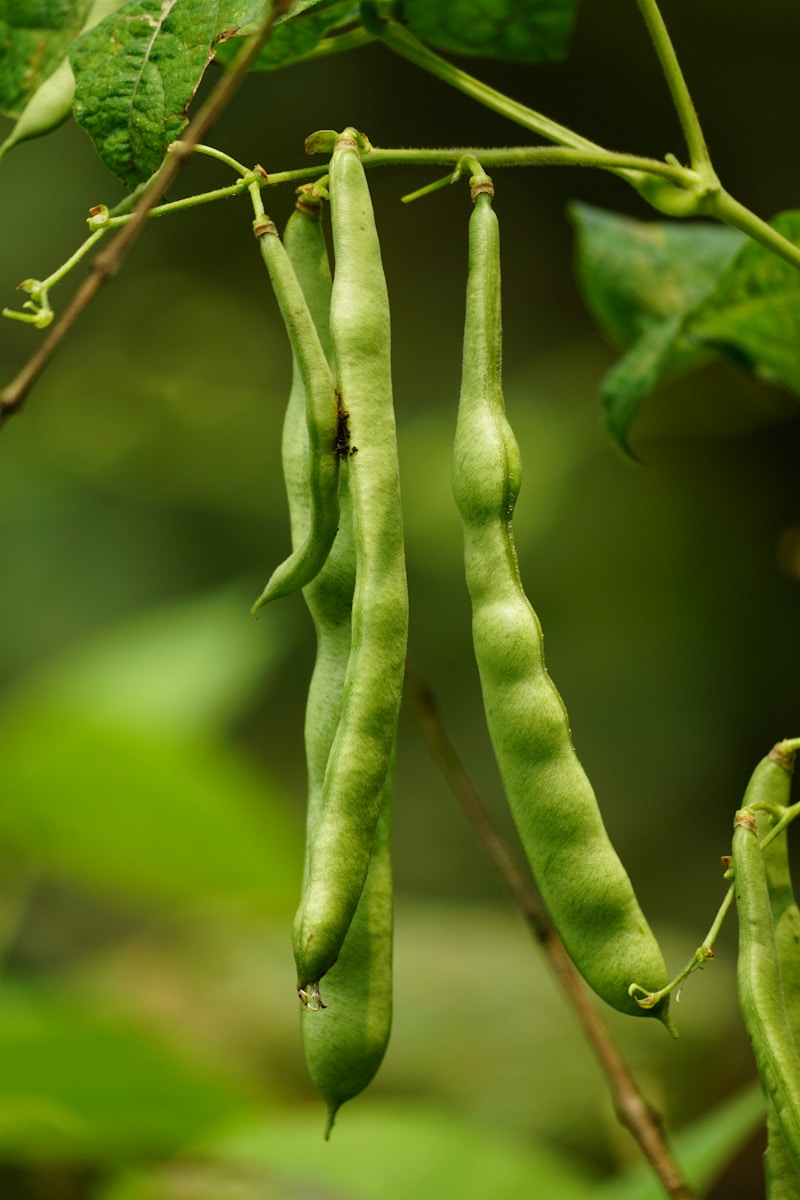
Beans are easy to grow, quick to reward you, and useful in the kitchen. You can eat them fresh, freeze them, pickle them, or dry them for winter meals.
There is also a bean for almost every garden. Bush beans fit small beds. Pole beans climb upward. Lima beans love heat. Fava beans like cool weather. Dry beans can stay on the plant until the pods turn crisp.
The best type depends on your weather and how you want to use the crop. Start with one or two kinds, learn their rhythm, and add more later.
Most common beans need warm soil and no frost. Fava beans are the big exception. They can handle cooler weather and often grow well before summer heat arrives.
Beans also do not need heavy feeding. Good soil, steady water, sun, and room to grow will do most of the work.
If you are starting several crops from seed, our seed germination guide explains the simple basics of moisture, warmth, and healthy early growth.
Choose the Right Bean
Snap beans are the classic green, yellow, or purple pods that we eat whole. They come in bush and pole forms. Bush plants stay low. Pole plants make long vines.
Shelling beans are grown for the tender seeds inside the pod. Lima beans are a warm-season example. Fava beans are a cool-season choice. If you want to grow favas, see our fava bean planting and harvest guide.
Dry beans stay on the plant until the pods and seeds are fully dry. Pinto, black, kidney, and many heirloom beans work this way.
Edamame is a soybean picked while the seeds are still green and full. The pods are cooked, but the pods themselves are not eaten.
Match Beans to Your Climate
Common beans grow best after frost has passed and the soil has warmed. Cold, wet soil can slow germination and cause seed to rot.
In cooler areas, choose fast bush beans or early pole types. In long, warm summers, you can grow several rounds and add lima beans or edamame.
The University of Minnesota Extension bean guide notes that common beans are direct-sown after the soil warms and that lima beans need more heat and a longer season.
Prepare a Simple Bean Bed
Give beans full sun and soil that drains well. A pH near 6 to 7 works well for most types.
Before planting, pull weeds and add a thin layer of compost. Beans are legumes, so they usually need less nitrogen than heavy-feeding crops.
If you need seed for a new planting, you can compare bean seed varieties on Amazon. Pick a variety that matches your growing season and the way you want to eat the crop.
How to Plant Bush Beans
Bush beans are a good first bean. They stay compact and do not need a trellis.
- Plant after frost when soil is warm.
- Sow about 1 inch deep.
- Space plants about 4 to 6 inches apart after thinning.
- Leave enough room between rows to weed and harvest.
Bush beans often give a strong crop over a short period. Sow a new small row every few weeks if you want a longer harvest.
How to Plant Pole Beans
Pole beans use less ground space because they grow upward. They also tend to keep producing for a longer time.
Put the support in place before or at planting. A teepee, fence, string trellis, or cattle panel can work. Bamboo plant support stakes from Wright Gardens are one simple option for building a bean teepee or row support.
You can also compare garden trellis netting on Amazon if you want a lightweight support for a fence or frame.
Water and Feed With a Light Hand
Keep the soil evenly moist, especially while plants flower and fill pods. Water at the soil line when you can. Wet leaves can raise disease pressure.
A light mulch helps hold moisture and slow weeds. Keep it a little away from the stems.
Do not push beans with a lot of nitrogen. Too much can make a large green plant with fewer pods.
Watch for Pests and Disease
Bean beetles, aphids, and leaf diseases can show up in many regions. Check plants often so you can act while a problem is small.
Good spacing, clean beds, crop rotation, and steady watering all help. Avoid digging deeply beside the plants because bean roots are fairly shallow.
Harvest at the Right Stage
Pick snap beans while the pods are firm, crisp, and still slender. Frequent picking can help keep the plants producing.
Pick shelling beans when the seeds inside have filled the pod but are still tender.
For dry beans, leave pods on the plant until they are dry and the seeds rattle. If wet weather arrives, pull the plants and finish drying them under cover.
Freeze, Pickle, or Dry the Harvest
Snap beans freeze well after blanching. Wash and trim them, blanch them in boiling water, cool them fast in ice water, drain them, and freeze them.
Use tested recipes for pickling or canning. Plain green beans are low-acid food, so safe canning needs the correct pressure-canning method.
Dry beans are simple to store. Let them dry fully, then keep them in airtight containers in a cool, dark place.
Fit Beans Into the Rest of the Garden
Beans work in large beds, raised beds, and containers. Bush beans fit the front of a bed. Pole beans can climb at the back.
They also pair well with a wider summer plan. Our summer vegetable garden guide shows how beans can fit beside crops such as zucchini, corn, lettuce, and beets.
A Simple Bean Plan
- Early spring: Plant fava beans where the climate allows.
- Late spring: Sow bush and pole beans after frost.
- Early summer: Sow another round and add lima beans or edamame.
- Late summer: Keep harvesting and let some pods mature for dry beans.
- Fall: Dry, freeze, pickle, or store the final crop.
That simple pattern can give you crisp pods in summer and dry beans for winter soup. Start small, plant at the right time, and harvest often. Beans will do the rest.