Some videos teach by talking. Primitive Technology does the opposite. In Tiled Roof Hut, John Plant says almost nothing. He lets the work explain the work. That quiet style is a big part of why the video still feels fresh.
I like videos that trust us to watch closely. This one does. We see clay shaped by hand. We see wood cut and fitted. We see fire, smoke, mud, and slow progress. The lesson grows one step at a time.
What Happens in the Build
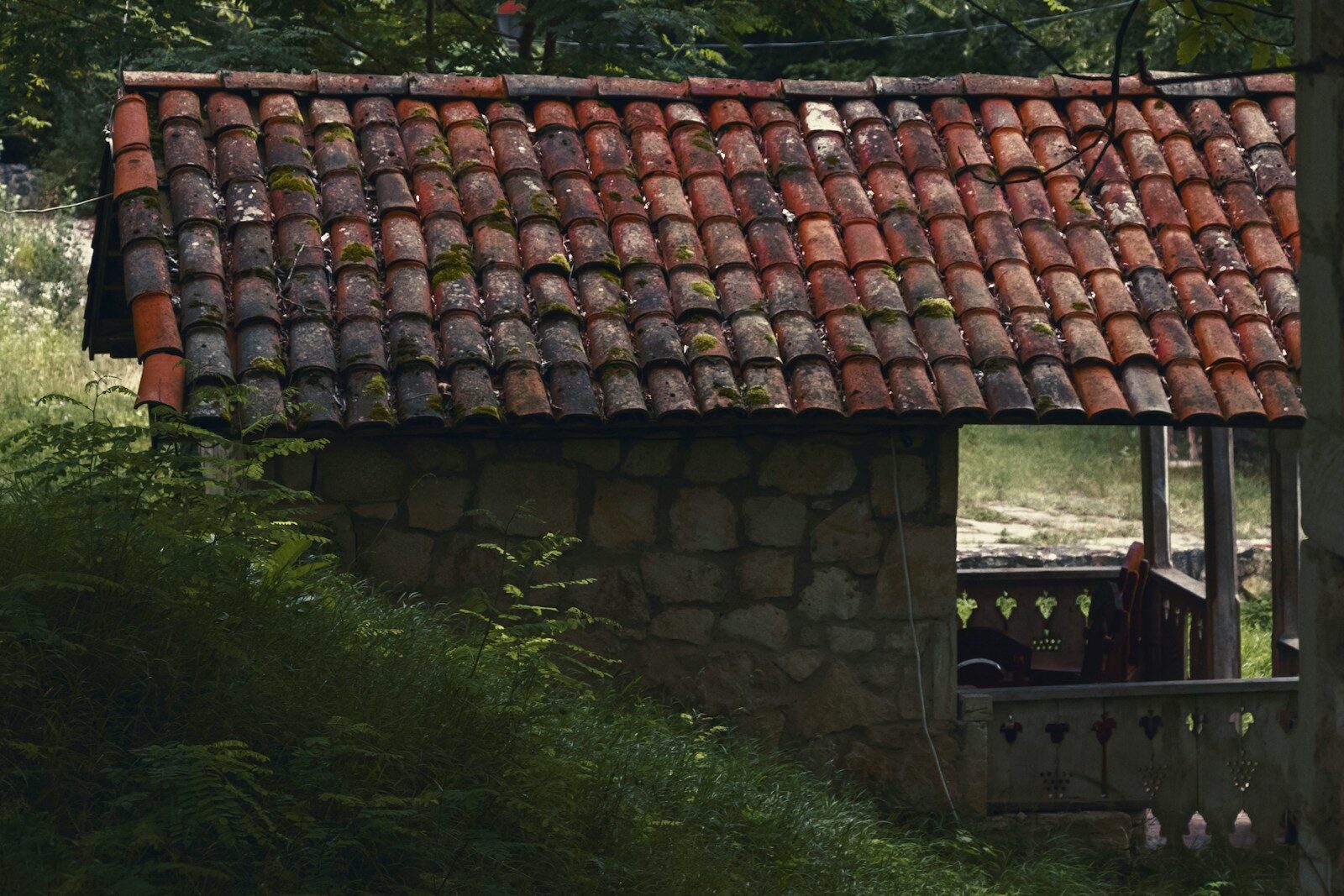
Plant starts with simple materials from the land. He makes clay tiles. He builds a frame. He fires the tiles and places them on the roof. The hut takes shape through many small jobs.
The video is easy to follow because every task leads to the next one. We can see cause and effect. Clay becomes tile. Poles become walls. Fire changes wet clay into something hard enough for a roof.
That clear order matters. There is no rush to show the finished hut. We stay with the process. Each small win gives us a reason to keep watching.
The natural sound helps too. We hear tools strike. We hear fire crackle. We hear leaves and dirt move. The quiet makes us notice details that a loud music track might hide.
Silence Can Be a Teaching Tool
The video proves that a process does not always need narration. Good framing can do much of the work. We see the hands, the material, and the result. The edit gives us enough time to understand what changed.
That same clear sequence appears in our look at building a high raised garden bed. The tools are modern there, but the story works for the same reason. One task leads to the next.
Simple Tools Still Tell a Big Story
Primitive tools can look basic, but they carry a long human story. The Smithsonian Human Origins guide to early stone tools shows how simple stone tools helped early people cut, pound, and shape materials. That history makes Plant’s work more interesting, even though his project is modern.
We also see how much skill can hide inside a plain object. A roof tile looks simple once it is finished. Making many tiles that are close enough in shape and strong enough to use is another matter.
The Build Works Because the Goal Is Clear
We always know what the video is trying to make. That clear goal gives every shot a job. A pile of clay matters because it will become tile. A frame matters because it will hold the roof.
That is also why the old stonework in our Chepstow Castle tour is so useful to study. Very different builders and tools can still teach us the same thing: materials, structure, and purpose have to work together.
Nature Is Part of the Story
The land is not just a background. It supplies clay, wood, water, and fuel. That makes the video feel tied to place. The project only works because Plant reads the land and uses what is there.
Our article on how wolves can change rivers looks at a very different kind of system. Yet both stories remind us that one change can lead to another. In nature, small steps can build into large results.
A Good Outdoor Lesson Needs Limits
This is a craft video, not a full survival guide. The work takes time. It happens under chosen conditions. Viewers should not treat it as a promise that anyone can build a safe shelter anywhere with no planning.
That is why outdoor ethics still matter. A related Noah’s Outdoors guide to Leave No Trace camping is a good reminder that public land and wild places should not be treated as free building sites. Rules, ownership, fire safety, and impact all matter.
What Creators Can Learn
Show the action clearly. Keep the goal easy to understand. Let each shot answer a small question. Use natural sound when it helps. Cut dead time, but do not cut so fast that the viewer loses the process.
If you want to study old skills in more depth, a primitive technology book on Amazon can give more background on hand tools, fire, clay, and shelter methods. The point is not to copy a video blindly. It is to understand the skill behind each step.
Why the Video Still Works
The video feels calm because it does not fight for our attention every second. It gives us one job: watch the hut grow. That is enough.
Primitive Technology works because the process is the story. The silence gives us room to see it. One quiet step leads to the next, and by the end, the finished hut feels earned.