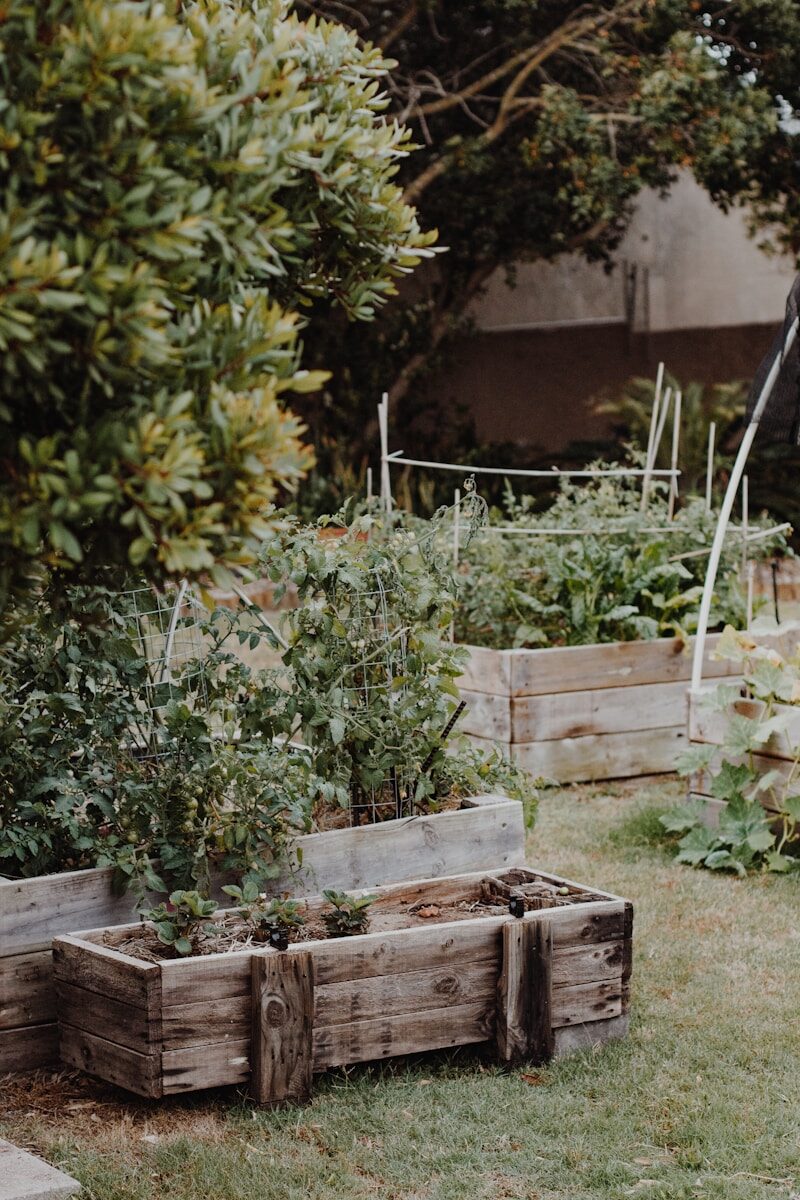
A high raised garden bed can make garden work much easier. You bend less. You can reach plants with less strain. You also get a deep space for roots. That is the main idea behind this Self Sufficient Me build.
The video is useful because it does not hide the trade-offs. A tall bed can be comfortable, but it takes more material to build and fill. The best design has to work for both the plants and the person caring for them.
Why Build a Taller Bed?
Height is the big advantage. A tall bed can reduce bending and kneeling. That can make watering, weeding, planting, and picking easier.
A raised bed also gives you control over the soil. You can start with a loose mix. You can add compost. You can keep feet out of the growing space so the soil stays softer.
The downside is simple. A deep bed takes a lot of fill. If you use only bagged soil or compost, the cost can climb fast.
That is why the filling method matters as much as the frame. The video shows how the build can stay practical without treating every inch of the bed like a pot that needs expensive mix.
Raised Beds Have Real Benefits
The University of Maryland Extension notes that raised beds can drain well, warm sooner in spring, reduce soil compaction, and give roots more loose soil. Its raised bed gardening guide also points out the drawbacks, including cost and faster drying in hot weather.
Those trade-offs are easy to see here. The bed is high enough to be comfortable. It also needs more water and much more fill than a shallow bed.
For a simpler build, our look at Charles Dowding’s no-dig raised bed shows how a lower bed can work with less material. The two videos solve the same problem in different ways.
Do Not Waste Good Soil at the Bottom
A very deep bed does not need premium soil from top to bottom. The upper root zone matters most for many garden crops. Lower space can often be filled with cheaper clean material, depending on the design.
Whatever you use, think about how it will settle. Fresh wood and loose organic matter can shrink as they break down. That means the bed may need more soil or compost later.
Our article on Charles Dowding’s no-dig garden is useful here too. It shows why the top layer deserves the most care. Good compost at the surface gives roots a strong place to start.
This Alabama Grown composting guide explains how organic material breaks down and how moisture and air affect compost. That matters when you plan what goes into a deep bed.
Choose Safe Building Materials
The frame has to hold a lot of weight. Wet soil is heavy. A tall bed needs strong sides, solid corners, and enough support to keep the walls from bowing.
Wood, metal, brick, and blocks can all work. The best choice depends on price, weather, and the look you want. Avoid mystery materials that may have been treated or used around harmful chemicals.
If you would rather start with a ready-made frame, you can compare tall raised garden beds on Amazon. Check the size and wall height before buying so the bed fits your reach and the space you have.
Think About Reach Before Height
A bed can be too wide even if the height is perfect. You should be able to reach the middle without stepping into the soil.
If you can work from both sides, a wider bed may be fine. If one side is against a wall or fence, keep it narrow enough to reach the back.
Comfort is not just about avoiding back pain. A bed that is easy to reach gets better care. Weeding takes less time. Harvest gets easier. Small problems are more likely to be noticed early.
Watering Changes in a Raised Bed
Raised beds can dry faster than ground soil. High beds can dry even faster when the weather is hot and windy.
Check the soil with your hand. Water when the root zone starts to dry. Mulch can help slow water loss and keep the surface cooler.
That same steady care is part of good garden cleanup and soil care. Our fall garden cleanup guide shows how small jobs done at the right time can prevent bigger problems later.
Cost Depends on What You Already Have
There is no single price for a raised bed. Lumber, metal, soil, compost, and delivery costs vary by place. A bed that is cheap for one gardener may be costly for another.
Reuse can help. So can buying soil or compost in bulk. But cheap material is not a bargain if it is unsafe or breaks down too fast.
Build for the Gardener and the Crop
The best lesson in this video is not one exact bed size. It is the way the design solves more than one problem. The bed gives roots space. It makes work easier. It also tries to control cost.
That is a useful way to plan any garden bed. Start with how you will use it. Think about reach, soil, water, cost, and crops. Then build the bed around those needs.