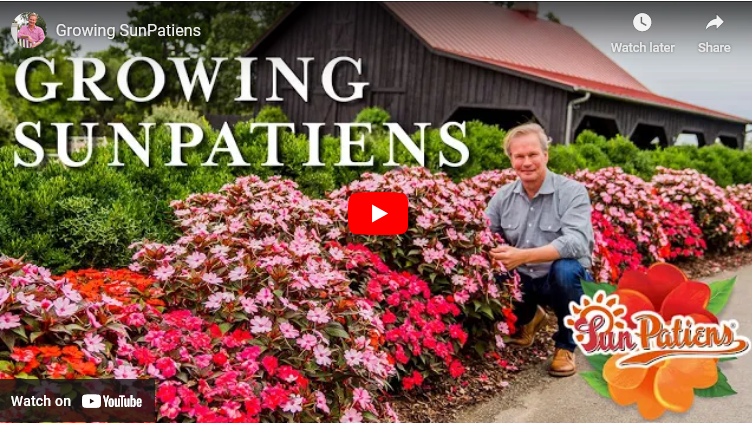
If you love the bright flowers of impatiens but struggle with summer heat, SunPatiens are worth a close look. They bring bold color to beds and pots. They also handle far more sun than old garden impatiens.
I like plants that earn their space. SunPatiens do that well. They bloom for months. They handle heat and wet summer air. With basic care, they can stay bright from spring until frost.
What Makes SunPatiens Different?
SunPatiens are hybrid impatiens bred for warm, sunny sites. They have thick leaves and strong stems. They also keep making flowers during hot weather. That makes them useful where normal impatiens may fade.
They can grow in full sun or part shade. In very hot places, a little afternoon shade can help. The key is steady moisture. A plant in hot sun will need more water than one in light shade.
SunPatiens also come in different sizes. Compact types fit pots and small beds. Vigorous types can fill a large space fast. Read the plant label before you choose a spot.
Color choices are wide. You can find red, pink, coral, orange, purple, white, and mixed shades. Some types also have bright leaves, so the plant still looks good when flower count drops for a short time.
Give the Roots Good Soil
SunPatiens like moist soil, but they do not like wet roots. Good drainage matters. If your soil stays wet after rain, add organic matter or raise the planting area. The same idea is useful when building a new bed, as shown in our look at Charles Dowding’s no-dig raised bed method.
For pots, use a clean potting mix and make sure water can drain out. A pot without drain holes is a poor home for SunPatiens. Wet roots can lead to rot fast.
Plant When the Weather Is Warm
Do not rush these plants into cold soil. Wait until frost danger has passed. Warm soil helps roots grow fast. Cold soil can leave the plant weak and slow.
Once warm weather settles in, growth can be quick. Give each plant enough room for its mature size. A little open soil in spring is better than a crowded bed in midsummer.
Water the Soil, Not the Calendar
There is no perfect rule such as “water twice a week.” A pot in full sun may need water often. A plant in a cool bed may need much less. Check the soil first.
Keep the soil evenly moist while new roots form. After that, watch the weather. Hot wind and bright sun dry soil fast. Rainy weeks may mean you can skip watering.
A little wilt during the hottest part of the day is not always a crisis. Check the root zone before adding more water. Too much water can hurt just as much as too little.
Feed Lightly
SunPatiens grow fast, but heavy feeding is not needed. Too much fertilizer can push soft growth and may reduce bloom quality. A light, steady feed is a better plan.
If you grow them in pots, a simple slow-release flower fertilizer on Amazon can make feeding easy. Always follow the label. More is not better.
You Do Not Need to Deadhead
This is one of the best parts. SunPatiens keep making new flowers without constant deadheading. New growth soon covers old blooms. You can trim a plant if it gets too large, but routine pruning is usually not needed.
That low-care habit makes them useful in large beds. It also fits well with the simple approach in our fall garden cleanup guide. Good gardening often means knowing what not to cut.
Watch for Stress Before You Reach for a Spray
SunPatiens are tough, but no plant is trouble-free. Mites, root rot, and leaf spots can still show up. Start by checking the growing conditions. Is the soil too wet? Are the plants packed together? Are they drying out every day?
The University of Florida IFAS guide to impatiens notes that SunPatiens were bred for hot, humid, sunny weather and need regular water. That is a good reminder that strong plants still depend on good care.
Use Them With Other Summer Plants
SunPatiens work well in mixed beds. They can stand beside grasses, coleus, or other warm-season flowers. For a simple source of varieties, the SunPatiens collection at Wright Gardens shows how many colors and habits are available.
You can also use them after cool-season crops or cover plants are done. Our guide to planting winter wheat shows one way garden space can serve a new purpose as seasons change.
Why SunPatiens Work So Well
SunPatiens are not drought-proof. They are not perennial in cold areas. They still need good soil and water. But they solve a real garden problem. They give us the color of impatiens in places with more sun and heat.
Give them warm soil, good drainage, steady moisture, and enough room. Then let them grow. For a long summer show with very little fuss, they are hard to beat.