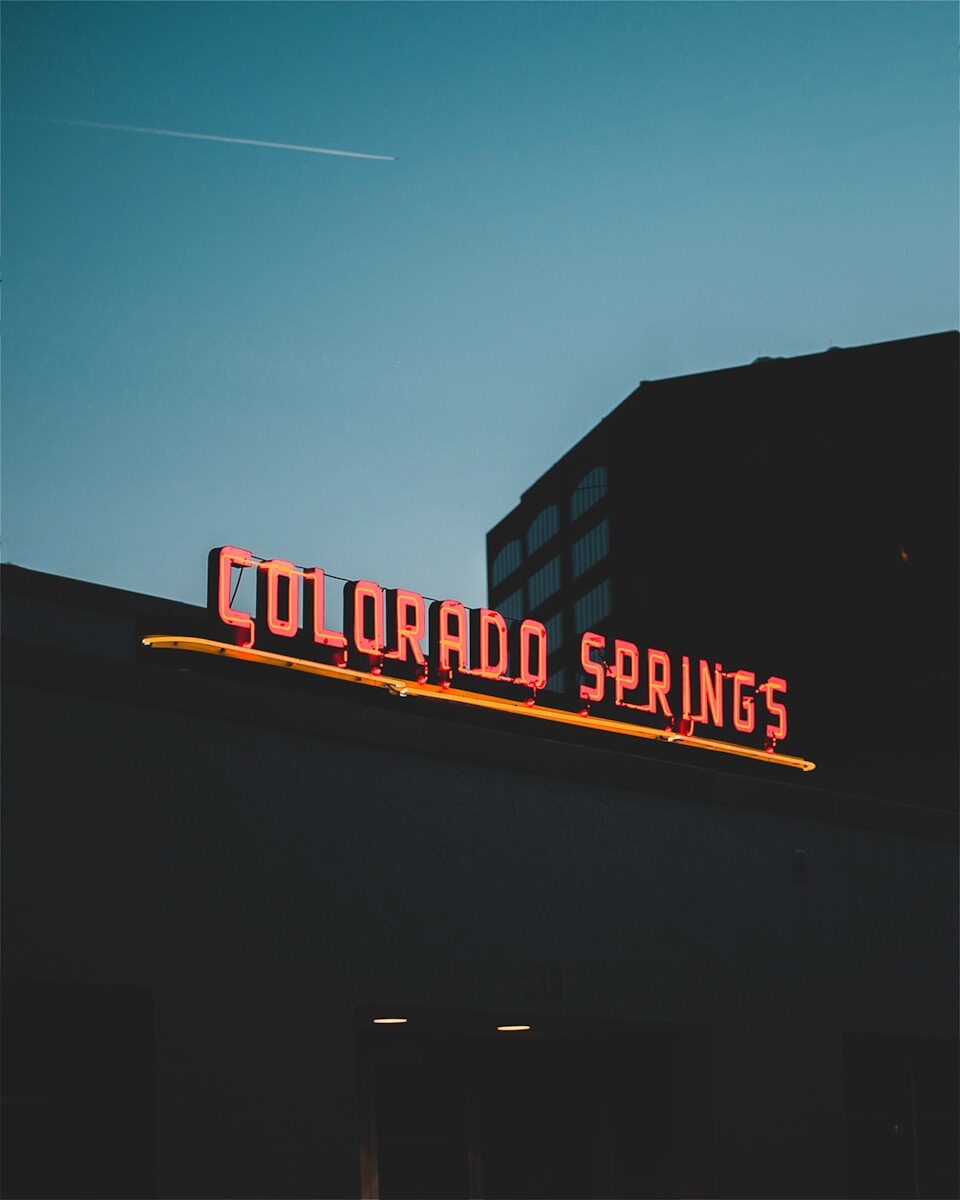
Colorado Springs began with a small act. On July 31, 1871, an iron stake was driven into the ground near what is now Pikes Peak Avenue and Cascade Avenue. It marked the start of a new town.
The stake was simple. The idea behind it was not. General William Jackson Palmer and his partners wanted to build a planned city near the foot of Pikes Peak. Rail, clean air, open land, and mountain views all shaped the plan.
A City Starts With a Mark
Many cities grow slowly from older towns. Colorado Springs had a more direct start. The founders chose a site. They laid out streets. Then they began to sell a vision of what the place could become.
The City of Colorado Springs still marks July 31, 1871, as its founding date. Its own history notes that the first stake was driven that day. That gives us a clear moment when the plan became real.
Palmer was already tied to railroads. He knew that a new town needed a way for people and goods to reach it. Rail could turn open land into a place where homes, shops, hotels, and jobs could grow.
The setting helped too. Pikes Peak rose over the plain. The air was dry. The views were wide. The founders saw those things as more than scenery. They saw them as reasons people might want to visit or stay.
William Jackson Palmer Had a Plan
Palmer did not see the site as only a railroad stop. He wanted a planned community. Streets, parks, homes, travel, and business all fit into that idea.
The official City of Colorado Springs history says Palmer founded the city in 1871 with a resort community in mind. That helps explain why scenery and climate were part of the pitch from the start.
We see a similar link between travel and growth in our story about the B&O Railroad and a new transportation age. Rail lines did more than move trains. They changed where people could live, work, and build.
Why Pikes Peak Mattered
Pikes Peak gave the new city a strong image. The mountain was easy to see and easy to remember. It helped give the town a sense of place before the town was large.
That kind of image can help a young city grow. People need a reason to notice a place. Colorado Springs had the mountain, rail access, and a planned street grid. Together, those features made the new town easier to promote.
If you enjoy seeing how places grew around travel and geography, our look at Tucson’s centennial celebration shows another western city finding its place in a changing nation.
Growth Brought New People
People came for many reasons. Some wanted land. Some wanted work. Some came for business. Others came because the dry air was thought to help people with lung illness.
Hotels, homes, shops, churches, and public buildings followed. The stake in the ground did not build a city by itself. People did that over many years.
A modern look at Colorado’s changing landscape also shows how the state still balances growth, land, wildlife, and public choices. The details are new, but the link between people and place remains strong.
The Land Had a Story Before the City
The founding story should not begin as if the land were empty. Native peoples had lived in and traveled through the region long before Palmer arrived. The new city became one layer in a much older story.
That matters when we tell western history. A city can be new while the land around it holds older paths, names, homes, and memories.
One Small Stake, One Big Change
It is easy to look at a city today and forget how small its start could be. In Colorado Springs, one stake marked a plan. Rail made that plan easier to reach. Pikes Peak helped people remember it.
The same pattern appears in other parts of American history. Our article on the Battle of Corydon shows how one place can take on a larger meaning when a national story reaches it.
If you want a simple guide for exploring the region today, a Colorado Springs travel guide on Amazon can help you connect the city’s history with its modern streets, parks, and landmarks.
A City Grew Around the Idea
The first stake did not promise success. It marked intent. People still had to build roads, homes, rail links, stores, schools, and public life.
But that small marker gave the plan a place on the ground. From there, Colorado Springs grew from an idea into a city. That is why July 31, 1871, still matters.