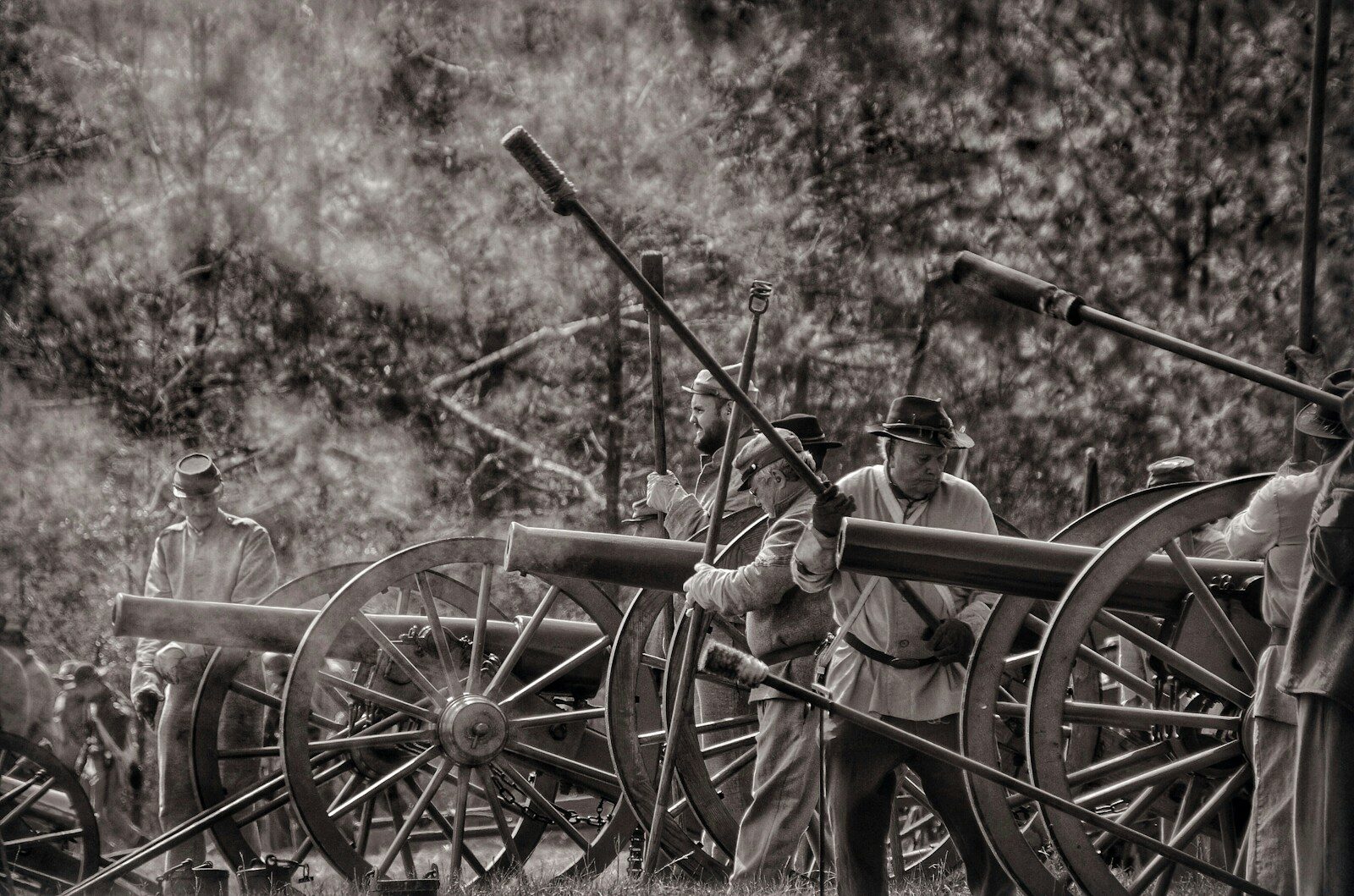
The Battle of Carthage was fought in Missouri on July 5, 1861. It came very early in the Civil War. In fact, it happened before the First Battle of Bull Run.
That timing matters. The war was still new, but Missouri was already deeply divided. Union supporters, Southern supporters, and people caught between them were living side by side.
Missouri Was Split From the Start
Missouri was a border state. It stayed in the Union, but many people in the state supported the South. That made the first months of the war tense and hard to predict.
The fight near Carthage grew from that split. Union troops under Franz Sigel moved through southwest Missouri. They met a larger Missouri State Guard force tied to the pro-Southern state government.
The battle spread across miles of roads, fields, and creek crossings. It was not one short clash in one spot. The fighting moved as Sigel tried to keep his force together and pull back.
That moving fight is one reason Carthage stands out. It shows how messy the war already was in Missouri. The lines were not neat. The politics were not neat either.
What Happened at Carthage
Sigel had a smaller but better trained force. The Missouri State Guard had more men, but many had little training. The two sides met near Dry Fork Creek northwest of Carthage.
The fight opened with artillery. Then it moved south toward Carthage. Sigel kept retreating while trying to avoid being trapped.
The Battle of Carthage State Historic Site describes it as an early full-scale Civil War battle. The site still preserves part of the ground tied to the fighting.
The Missouri State Guard held the field at the end. That gave Southern supporters in the state a lift. Still, Sigel escaped with much of his force.
Why the Battle Mattered
Carthage showed that the Civil War would reach far beyond Virginia. Missouri was already becoming a major place of conflict.
We can see how much the war later grew in our story about Gettysburg and the battle that changed the war. Carthage came much earlier, when the shape of the conflict was still unclear.
Another useful comparison is the Battle of Corydon in Indiana. Both stories show how the war could reach places that were far from the best-known battlefields.
Neighbors Could Become Enemies
Missouri’s war was personal. People on opposite sides often lived in the same counties. They used the same roads and towns. Some families were split by loyalty.
That local split helped lead to raids, guerrilla violence, and years of fear. Carthage was an early sign of what the state would face.
If you want a modern look at the same state, this Noah’s Outdoors guide to Independence, Missouri offers a very different view of Missouri today. The contrast shows how much time can change a place while history stays close by.
A Small Battle With a Big Lesson
Carthage was not Gettysburg. It did not decide the war. Yet it mattered because it showed how fast the conflict was spreading.
The battle also reminds us that early events can tell us what is coming. The fighting in Missouri showed that the war would be local, bitter, and hard to contain.
For more background, a Missouri Civil War history book on Amazon can help place Carthage beside Wilson’s Creek, guerrilla warfare, and the larger border-state story.
Carthage Came Before the Famous Battles
Most people learn the Civil War through a few famous names. Bull Run, Antietam, Gettysburg, and Vicksburg often lead the story.
Carthage reminds us that the war was already moving before those names became famous. Our article on how war numbers gain human weight also shows why smaller stories and clear context matter when we try to understand conflict.
Why Carthage Still Deserves Attention
The Battle of Carthage was an early warning. Missouri was divided. Armed forces were moving. Local politics had become open conflict.
That is why this July 1861 battle still matters. It helps us see the Civil War before the best-known battles took over the story.