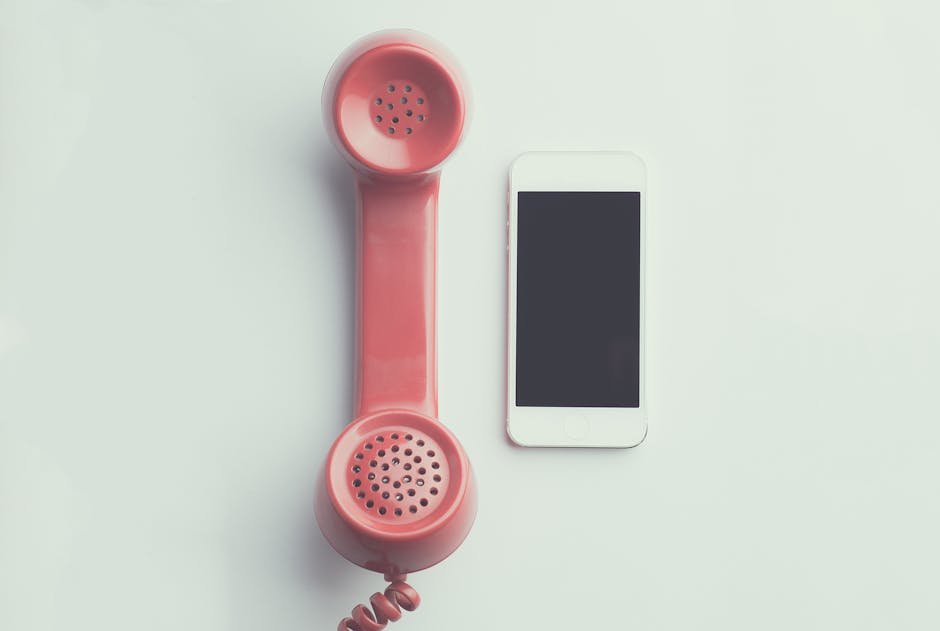
Smartphones feel ordinary now. We carry them all day. They help us talk, work, travel, learn, take photos, and relax.
That was not always true. Early mobile phones were large, costly, and built mainly for calls. Over time, better networks and smaller computer parts changed what a phone could do.
The story is not one straight line. Many companies tried new ideas. Some failed. Others helped shape the small computers we now keep in our pockets.
Texting was one big step. Mobile email was another. Touchscreens, web browsers, cameras, apps, GPS, and fast data then pulled many tools into one device.
Today, the phone is often our camera, map, wallet, music player, notebook, and link to the web. That makes its short history worth a closer look.
The video below gives a quick visual tour of that change. After it, we will walk through the main turning points in plain language.
Mobile Phones Become Personal
Handheld cell phones reached buyers in the 1980s. They were a huge change from car phones. They were also heavy and expensive. Battery life was short, and the main job was simple: make a call away from a fixed line.
During the 1990s, phones became smaller. Digital mobile networks spread. Text messaging also grew. The Computer History Museum’s history of SMS shows how a feature once seen as minor became a major way for people to communicate.
This network shift still matters. Older GSM and CDMA labels can be confusing today, so our related guide on how old mobile network types led to modern LTE and 5G gives useful context.
The Smartphone Idea Came Before the iPhone
The iPhone did not invent the idea of a smart phone. Devices in the 1990s and early 2000s mixed phone service with tools from handheld computers.
IBM’s Simon, the Nokia Communicator line, Palm phones, BlackBerry devices, and Symbian phones all helped move the idea forward. They offered things such as calendars, email, touch input, web access, and small software tools.
Many of these devices were useful but not simple. Small screens, tiny keys, slow data, and complex menus made them feel more like work tools than everyday media devices.
2007 Changes the Shape of the Phone
Apple announced the iPhone in 2007. Its large multi-touch screen put more of the interface on the display instead of on fixed buttons. It also joined a phone, music player, and full web browser in one device.
The App Store followed in 2008. That gave outside developers a simple way to add new uses. A phone could now change long after it left the factory.
This idea grew far beyond Apple. Android phones soon gave buyers many brands, sizes, and prices. That competition helped make smartphones common around the world.
Apps Turn Phones Into Tools
Apps changed the phone as much as the hardware did. Maps replaced many paper directions. Messaging apps added photos and video. Banking, shopping, music, games, and work tools moved into the same screen.
That same move toward simpler software creation now reaches people who do not code. Our guide to no-code tools for apps and automation shows how building software has become easier for more people.
Phones also became work devices. Email, shared files, chat, and video calls made it easier to work away from a desk. That shift connects closely with today’s remote work trends.
The Camera Becomes a Main Feature
Early phone cameras were basic. Then sensors, lenses, chips, and image software improved fast. For many people, a separate point-and-shoot camera became less important.
Modern phones can shoot sharp photos and high-resolution video. Software can join several exposures, reduce shake, brighten dark scenes, and help with focus.
If you use a phone for photos or video, a simple smartphone tripod can make steady shots much easier. A USB-C power bank is also handy when filming or traveling for a long day.
5G, Foldables, and AI
Phones kept changing in the 2020s. 5G networks brought faster mobile data in many places. Foldable screens gave makers another way to balance a large display with a pocket-size device.
Artificial intelligence is now another major layer. It can help sort photos, remove noise, translate speech, suggest replies, improve search, and edit images.
This is part of a wider change in software. Our look at AI-powered everyday tools explains how similar features are moving into many kinds of apps.
What Smartphones Changed
The biggest change is not the shape of the phone. It is how many jobs moved into one small device.
We can talk face to face across long distances. We can get directions in a new city. We can shoot and edit a video, pay a bill, read a book, join a meeting, or learn a skill from almost anywhere.
That convenience has tradeoffs. Phones can distract us. They collect personal data. Batteries wear out. Repair can be hard. A useful device still needs thoughtful use.
What Comes Next?
No one knows which feature will define the next era. Better batteries, repairable designs, smarter assistants, new displays, and stronger links with watches or glasses may all play a part.
One lesson from smartphone history is clear. The winning idea is rarely one new part. Big changes happen when hardware, networks, software, and simple design come together.
From brick-size handsets to pocket computers, the phone changed because many small advances stacked up. That story is still being written every time the device in our hand learns a new job.