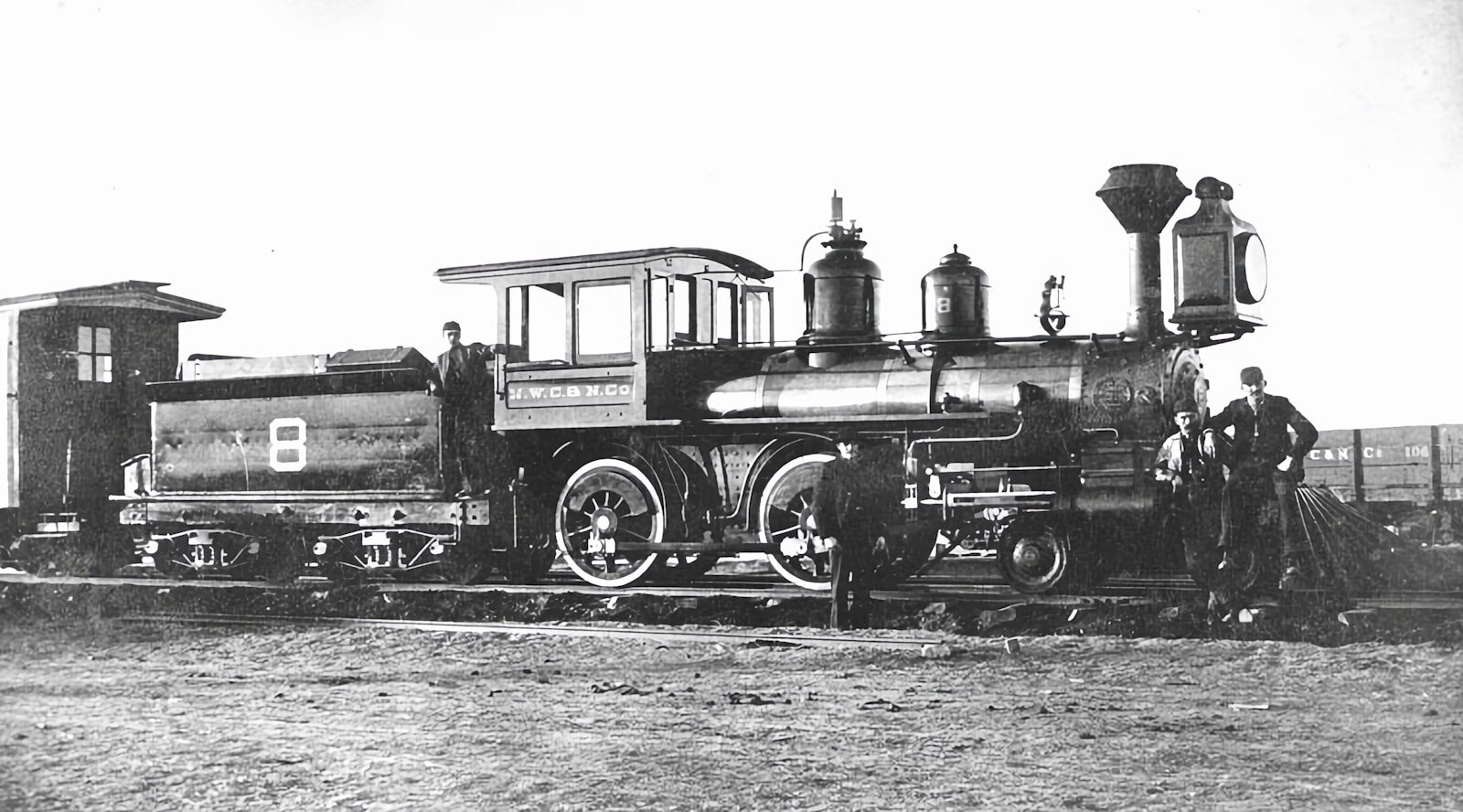
On July 4, 1828, Baltimore marked Independence Day with a bold new project. The first stone of the Baltimore and Ohio Railroad was laid. It was a small ceremony with a very big idea behind it.
The goal was simple. Baltimore wanted a faster path to western trade. Canals were helping rival cities reach new markets. The B&O promised another way forward.
Why Baltimore Needed a Railroad
Baltimore was already a major port. But the city needed a better link to the growing inland economy. New York had the Erie Canal. Other cities were also racing to connect with western farms and towns.
Rail offered speed. It also offered a more direct route across land. That made the idea exciting, even though rail travel was still new in the United States.
The first stone was more than a marker. It told investors, workers, and the public that the project was real. The railroad was moving from a plan into the ground.
The date also gave the ceremony extra meaning. July 4 tied the railroad to ideas of national growth and progress. The message was clear. The country had won independence. Now it would build its future.
The First Stone Had Real Meaning
The Library of Congress notes that construction began at Baltimore harbor on July 4, 1828. Charles Carroll of Carrollton, the last living signer of the Declaration of Independence, laid the first stone.
That made the event easy to remember. One of the last living links to the nation’s founding was helping begin a new age of transport.
We see another strong link between rail and city growth in our article on how Colorado Springs began. Railroads did not just serve cities. They often helped create them.
Rail Changed the Meaning of Distance
Before rail, moving people and goods over land could be slow and costly. Roads were rough. Weather could stop travel. Heavy freight was hard to move.
Rail changed that. Trains could move more weight over long distances. Travel became more regular. Farms, ports, factories, and towns gained new links.
That same change in movement shaped many later events. Our story on the Battle of Carthage shows how roads, towns, and transport routes also mattered during the Civil War.
The B&O Helped Prove Rail Could Work
The B&O became one of the nation’s best-known railroads. Its early line helped show that rail could move both people and freight on a large scale.
The National Museum of Railroad History & Innovation calls its Mt. Clare site the birthplace of American railroading. The first stone was laid there, and the early line became a model for what came next.
If you want a wider look at Maryland today, this Noah’s Outdoors guide to Maryland gives the state a modern travel angle. It is a very different view, but the same roads, ports, and places still carry old layers of history.
Railroads Changed Daily Life
Rail did more than help business. It changed daily life. Mail moved faster. News moved faster. People could travel farther in less time.
Towns near rail lines could grow. Places far from major routes could lose trade. A new track could change land values, jobs, and the future of a whole community.
Our article on Tucson’s centennial celebration shows another city shaped by travel, trade, and its place in a growing nation.
Progress Had a Cost
Railroad growth also came with hard labor and danger. Workers built grades, bridges, cuts, and tunnels with tools that were far less safe than the ones used today.
Railroads also gave large companies new power. Towns could rise or fall based on routes and stations. Progress created winners, but not everyone shared the gains in the same way.
For readers who want more background, a B&O Railroad history book on Amazon can add more detail about early engines, routes, workers, and the growth of American rail travel.
Why July 4, 1828 Still Matters
The first stone did not build the railroad by itself. Years of work came after it. But the ceremony marked a real shift.
Baltimore was betting on a new kind of transport. That bet helped open a new age of travel, trade, and growth across the United States.