A Close Vote in New York
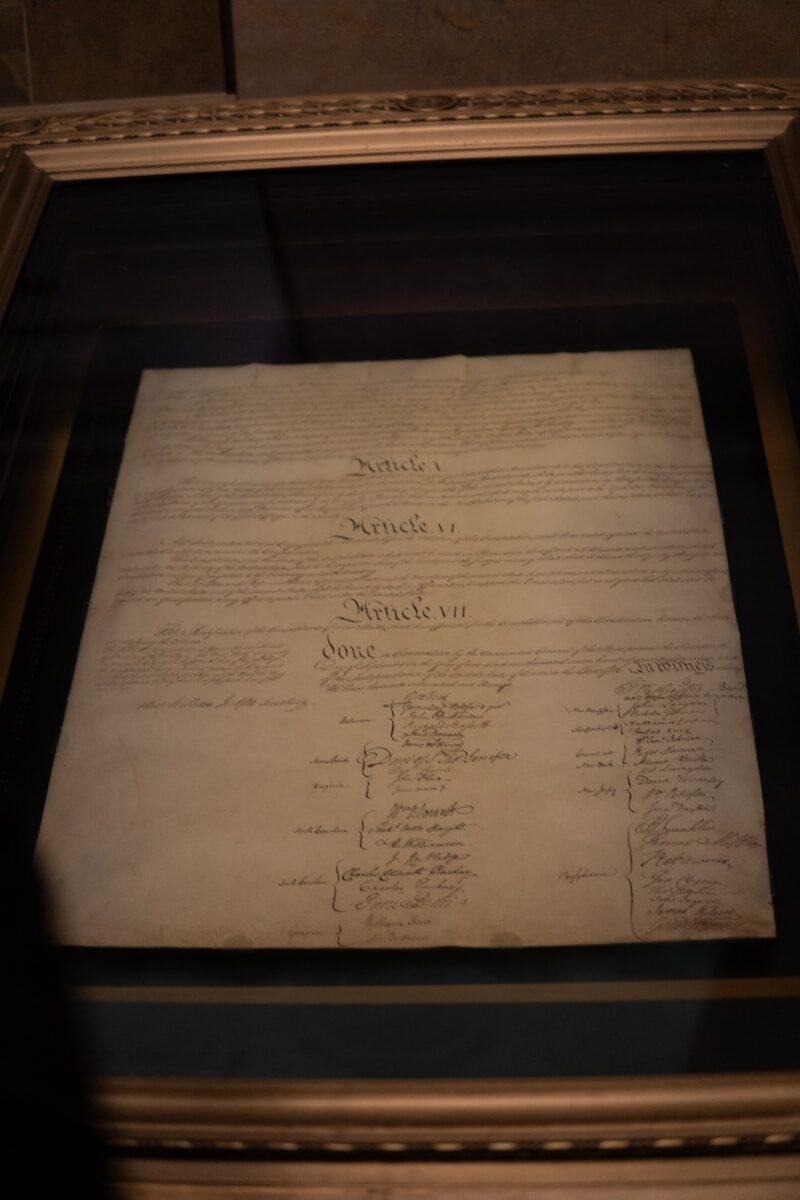
New York voted on the U.S. Constitution on July 26, 1788. The vote took place in Poughkeepsie.
The choice was close. It also meant a lot. New York had a large port. It had trade, farms, and a key place on the map.
The new nation was still weak. The old Articles of Confederation had not worked well. States often pulled in their own way.
The new plan gave more power to the U.S. government. Many people liked that. Many did not.
Some feared a new strong rule from far away. They had just fought a king. They did not want to build one more.
The video below gives a clear look at the Constitution and the fight over federal power.
Why the Vote Mattered
The National Archives says nine states had to ratify the plan. New York was the eleventh state to do so.
That did not make the debate small. New York still mattered. A nation without New York would have had a deep break in its map and trade.
The fight also took place in print. Hamilton, Jay, and Madison wrote essays to back the plan.
We now call them The Federalist Papers. The essays told why the new plan could work.
The other side also had real fears. They worried about rights and too much power at the top.
Those fears helped push the new nation toward a Bill of Rights.
A Wider Story of Self-Rule
FootageVault’s story of New Jersey’s 1776 Constitution shows an earlier step in the same hard move from colony to state.
John Quincy Adams grew up in this same age of change. His long life in public work shows what the new system asked of those who served it.
Jamestown’s first assembly gives an even older look at self-rule in English America.
The fight over public power did not end in 1788. A CatchWMW article on election monitors shows how rules, trust, and public checks still cause debate today.
If you want to read the words from the time, an Amazon search for The Federalist Papers can help you find a print copy.
The Union Held
New York said yes. But the vote did not end all doubt.
That is part of the point. The U.S. system grew through debate. It grew through fear, hope, and compromise.
People spoke. People argued. People voted.
The Union held.
It was close. It was loud. It was hard. Yet the vote was made.
The day came. The room met. The sides spoke. The count came. The choice stood. The state joined. The map held. The work went on.