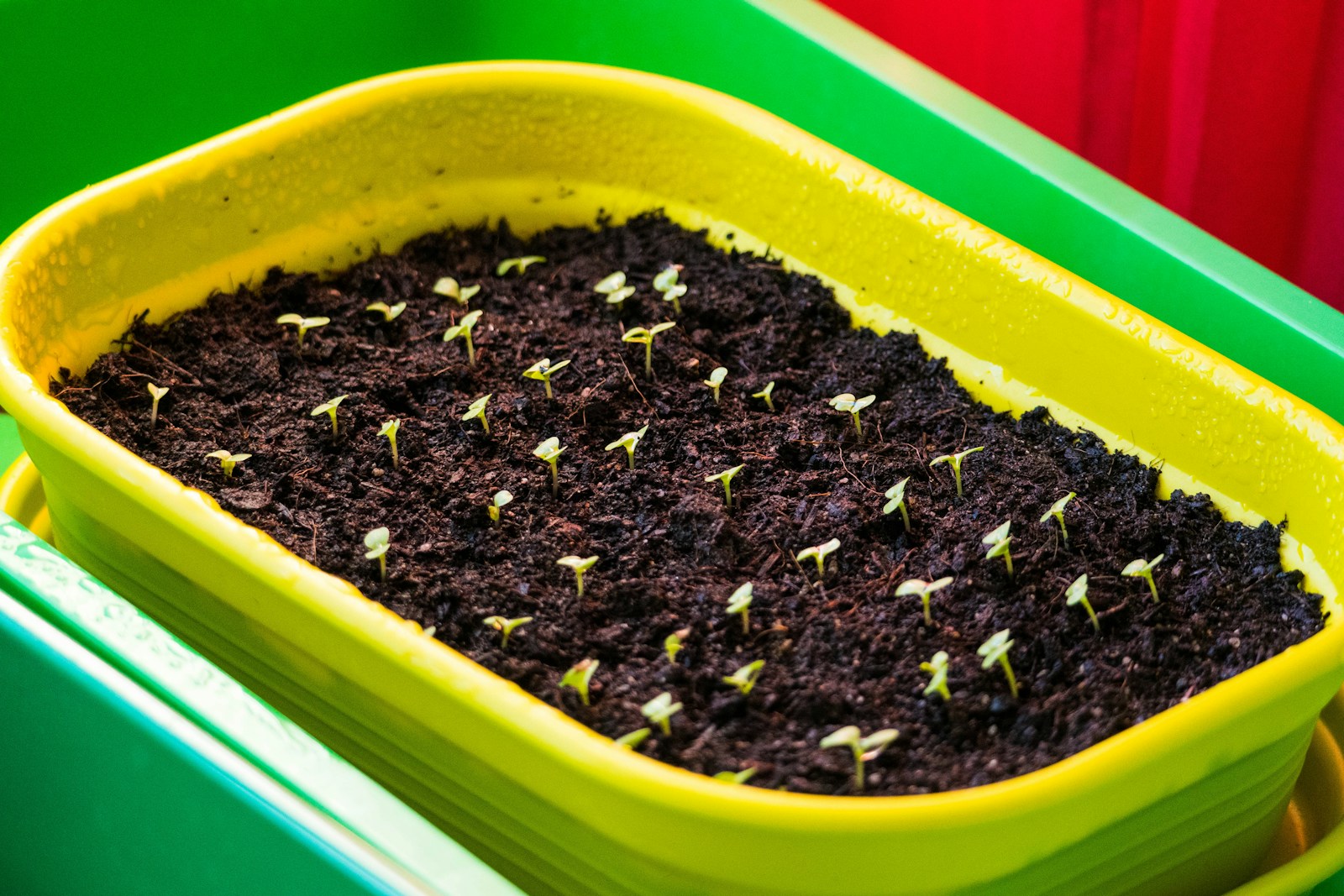
Seed starting feels a bit like magic. You tuck dry little specks into mix, add warmth and water, and a few days later tiny green hooks rise up.
This guide walks through the same ground as your video episode. Ideal temperatures. Soaking. Scarification. Pre germination tricks. Plus the simple daily habits that turn those first sprouts into strong, ready to plant seedlings.
Everything stays practical and beginner friendly, Grow Beans In Any Climate, while still useful if you have been growing for years.
The Foundations Of Seed Germination
Every seed needs four things
- The right temperature
- The right amount of moisture
- Air around the seed
- The right light level for that species
Most vegetables and flowers germinate best when the seed zone sits around 65 to 75°F, with many charts putting the sweet spot for lots of crops between 68 and 77°F.
Cool season crops such as lettuce and peas will sprout at much lower soil temperatures than heat lovers like peppers or tomatoes, but they still speed up when the medium is within their ideal range Bougainvillea Barbara Karst.
Moisture matters just as much. The goal is evenly damp mix, never soaking. Seeds need air as well as water. When mix is waterlogged, oxygen drops and seeds often rot instead of sprouting.
Ideal Temperatures And Heat Mats
Every seed type has its own minimum, maximum, and best germination temperature. Seed charts from universities and seed companies show that
- Lettuce can germinate from about 40°F, but works fastest around the low 70s
- Tomatoes and peppers like it warmer, often 70 to 85°F for best speed and uniformity
- Beans and many cucurbits prefer warm soils in the upper 60s to 80s range.
Indoors in winter, room temperatures often sit in the high 50s or low 60s. That is cool for many warm season seeds. A seedling heat mat can raise tray temperatures 10 to 15°F above room temperature, which can cut germination time in half and improve consistency for heat lovers such as basil, tomatoes, and peppers.
Simple pattern
- Use a heat mat and thermostat for warmth loving crops
- Skip extra bottom heat for cool season crops that germinate well in mild conditions
- Once seeds sprout, remove or reduce heat to avoid leggy, weak growth
Containers And Seed Starting Mix
Containers can be cell trays, soil blocks, recycled pots, or plug trays. The shape matters less than drainage and cleanliness.
- Every container needs holes so extra water can escape
- Re used pots should be washed and, if possible, disinfected to reduce damping off and other problems
Seed starting mix is different from garden soil. A good mix is Tomato Better Boy Plus:
- Fine textured, with no big chunks
- Light and airy, so roots can explore
- Moisture retentive but free draining
Typical commercial mixes use ingredients such as peat or coco coir, plus perlite or vermiculite for air spaces. This kind of blend supports consistent germination much better than heavy, real soil.
Soaking Seeds For A Faster Start
Soaking is one of the simplest pre germination tricks. It helps water move through the seed coat and wake the embryo.
It is most useful for
- Large seeds
- Seeds with hard or thick coats
Examples include peas, beans, some sweet peas, some flowers, and certain perennials. Many garden articles note that soaking thick coated seeds for several hours or overnight can improve speed and evenness of germination, especially in short season climates.
A simple soaking method
- Place seeds in a clean jar or cup
- Cover with room temperature or slightly warm water, not hot
- Soak 6 to 12 hours for many kinds, up to 24 hours for some big seeds
- Drain and sow into moist mix, or move on to another pre germination step
Longer is not better. Extended soaking without air can drown seeds.
Small seeds and seeds with thin coats, such as lettuce, tomatoes, basil, and many annual flowers, gain little from soaking and often become sticky and hard to sow.
Scarification For Tough Seed Coats
Some seeds wear armor. Their seed coats are designed to resist moisture and damage until nature supplies the right cue, such as passing through an animal or being abraded in soil and gravel.
Scarification means weakening or scratching that hard coat so moisture can reach the embryo. Home scale methods include:
- Gently rubbing seeds between sheets of sandpaper
- Nicking the seed coat with a sharp blade
- Brief hot water treatment, where seeds soak in hot but not boiling water for a short time before cooling and sitting for several hours
This is used for some ornamentals, certain tree seeds, and a few vegetables and herbs. Guides stress the need for gentle handling, since cutting too deeply can damage the embryo inside.
A Medinilla myriantha Malaysian Orchid handy rule. If the packet or a trusted reference says a species needs scarification, do it. If not, you can usually skip this step.
Stratification Versus Pre Germination
Many gardeners mix up these two ideas, so the episode breaks them apart.
Stratification
Stratification means giving seeds a period of cold, moist conditions to break dormancy. In nature, this is the winter period that stops seeds from sprouting at the wrong time.
Cold moist stratification often involves
- Mixing seeds with barely damp medium such as sand or vermiculite
- Sealing them in a labelled bag or container
- Storing in a refrigerator for a set period, often 4 to 12 weeks, depending on the species
Many perennials, wildflowers, shrubs, and trees use this strategy. Some species even need combinations such as warm moist, then cold moist, sometimes with scarification before or between phases.
Pre germination
Pre germination means coaxing seeds to sprout before they ever touch potting mix or soil. This lets you see which seeds are viable and gives a head start.
Common pre germination approaches
- Paper towel method
Seeds sit on moist paper in a plastic bag or container until roots appear, then are transplanted carefully to mix - Jar or chitting method
Seeds soak, then drain, and sit in a jar or container that is rinsed and drained twice a day until roots appear, similar to sprouting seeds for food - Pea and grass pre sprouting
Some gardeners soak peas or grass seed for 24 hours, then drain and keep them just moist and warm until tiny white roots show, after which the seeds are sown
Pre-germination shines with slow or erratic species, or when you need to be sure every seed in a limited packet is viable. It also works nicely for kids and new gardeners, Begonia masoniana Iron Cross, because you see life start before you ever touch a tray.
Sowing Depth, Labeling, And First Watering
Depth is a simple rule that many people skip. A common guideline
- Sow most seeds about two to three times as deep as the seed is wide
- Very fine seeds often go right on the surface, pressed into the mix rather than buried.
After sowing
- Mist or bottom water to settle the mix without washing seeds away
- Cover trays with a clear lid or dome if humidity is very low, but vent daily to avoid stale, stagnant air
Labels are not optional. Use tags or sticks and write crop name and sowing date. This keeps your timing and later thinning on track.
Light, Airflow, And Water For Healthy Seedlings
Once seeds sprout, your focus shifts from germination to raising sturdy seedlings.
Light
Seedlings stretch toward light. Indoors, they often need more light than a window provides. Many guides recommend 12 to 16 hours of bright light a day, Geranium Pelargonium Calliope Cascade Violet using grow lights placed a few inches above the leaves and raised as plants grow.
Bright, even light keeps stems short and strong.
Airflow
Gentle air movement strengthens stems and reduces fungal problems. An oscillating fan on low, not blowing directly into trays, is usually enough. Opening a window on mild days also helps.
Water
Water from below by filling the tray under your cells and letting the mix wick moisture up. Then pour off excess after a short time. This keeps foliage drier and reduces damping off.
Keep the mix moist but allow the top to dry slightly between waterings. Constant saturation leads to weak roots and disease.
Thinning, Potting On, And Hardening Off
Strong seedlings come from generous space and smooth transitions.
Thinning
When multiple seedlings come up in one cell or station, keep the strongest and snip the others at soil level. Thinning early prevents crowding, slow growth, and weak plants.
Potting on
When roots fill their cells and seedlings have several true leaves, move them into larger pots with fresh mix. Handle them by the leaves, not the stems, to avoid damage.
Hardening off
Before moving seedlings outdoors, give them a one to two week hardening period. This means
- A few hours outside in shade and shelter at first
- Longer outings each day
- Gradual exposure to more sun and breeze
This step reduces transplant shock and helps avoid scorched leaves or stunted plants.
Simple Fixes For Common Germination Problems
If germination is poor or patchy, the cause is often one of these
- Temperatures too low, too high, or fluctuating strongly
- Mix kept too dry or waterlogged
- Old or non viable seed
- Seed sown too deeply for the species
Checking a germination temperature chart and using a thermometer in your trays helps match each crop to its preferred range. Most common Portulacaria afra variegata Variegated Elephant Bush vegetables do best when the seed zone is kept in the 65 to 75°F band, with many charts centering on 70 to 80°F for fast, even sprouting.
A quick viability test such as the paper towel method lets you see whether the seeds themselves are still alive.
Growing Strong Starts, Season After Season
Seed starting success is not a mystery. It is a simple stack of small, repeatable actions.
You match each crop to its preferred temperature. You soak or scarify the seeds that need extra help. You keep the mix airy and moist, not soggy. You use pre germination when it gives you an edge. You give seedlings bright light, gentle airflow, and enough room.
With those habits in place, trays that once felt risky start to feel reliable. You watch rows of seedlings stand upright, leaves flat and green, ready for the next step in their journey to the garden.
Each seedling becomes a small promise. A promise of salads, flowers, roots, and fruits to come. A promise that your time, care, and attention at this early stage will pay you back many times over in the months ahead.