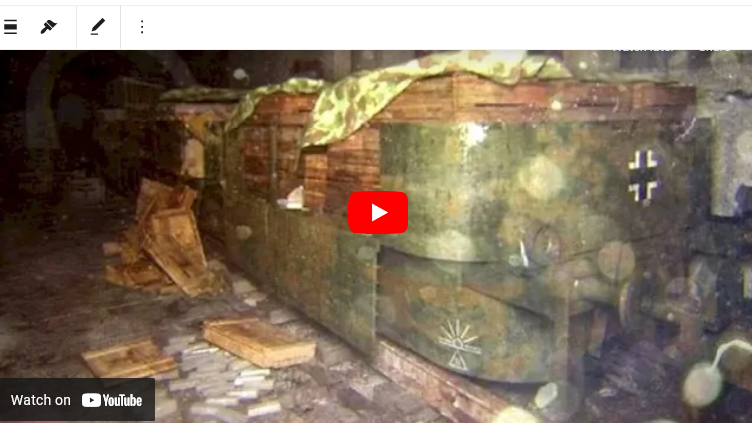
Some discoveries begin with a plan. Others begin with a loose floorboard, a walk in the woods, or a shovel hitting something strange.
That is what makes accidental discoveries so interesting. Ordinary people can suddenly find a clue to a much older story. The key is knowing when to stop, look, and call someone who can help.
History is full of these moments. Old buildings can hide coins, papers, tools, or forgotten rooms. A place such as Chepstow Castle shows how much a structure can reveal when people study its walls with care.
Outdoor finds can be just as surprising. A hiker may see an old object, a bone, or a mark in the ground that does not look natural. That does not mean it should be picked up or moved.
Sometimes a discovery is not a treasure at all. It may be a piece of evidence that helps explain a person, a place, or an event. The value can come from the story, not the price.
The best discoveries are handled with patience. A careful find can add one small piece to a much larger picture of the past.
Why Chance Finds Matter
Archaeologists learn from where an object sits, what lies beside it, and which soil layer holds it. Moving an item can erase part of that story.
That is why the National Park Service archaeology program stresses the value of protecting archaeological places and learning from their full setting.
A coin by itself can tell us something. A coin found beside pottery, charcoal, or a wall can tell us much more. The place matters almost as much as the object.
Old Buildings Can Hold New Clues
Renovation work often exposes parts of a building that have not been seen for many years. Workers may open a wall, lift old boards, or remove plaster that covered an earlier surface.
Most of the time, they find normal building material. Once in a while, they find something worth a closer look. Old coins, letters, bottles, tools, or marks left by builders can help date a room and explain how people used it.
A small field notebook can be useful for writing down where something was seen without disturbing it. A magnifying glass can help with safe visual inspection of details on objects that are already loose and legal to examine.
What to Do With a Strange Find Outdoors
If you see something old on a trail or in a park, leave it where it is. Take a photo if rules allow. Note the location. Then tell a ranger, land manager, local museum, or other proper authority.
If the find may be human remains, do not touch it. Move away from the area and contact law enforcement. Even old remains deserve care and respect.
This same light-touch idea fits good trail habits. Noah’s Outdoors has a practical guide to responsible trail etiquette, including leaving what you find and respecting the land.
Small Objects Can Tell Big Stories
History is often built from small pieces. A broken plate can show what people ate. A button can show what someone wore. A tool can show how a job was done.
The same idea appears in larger historical stories. Our look at the Battle of Midway shows how many separate records and decisions can come together to explain one major event.
Written records matter too. Court files, newspaper reports, and public debate can preserve a moment in a different way. The Scopes Trial is a good example of how documents and testimony help us understand the past.
Do Not Turn a Find Into a Souvenir
The fastest way to damage a discovery is to treat it like a prize. Digging without permission can destroy clues. Taking objects from protected land can also break the law.
Leave important finds in place. Record what you can without touching them. Let trained people decide what happens next.
Curiosity Works Best With Care
The world is not finished telling its story. Old walls, fields, forests, and city streets can still hold clues.
Most of us will never uncover a major treasure. That is fine. The real lesson is simpler. Pay attention. Respect what you find. And remember that a small object in the right place may be part of a much bigger story.