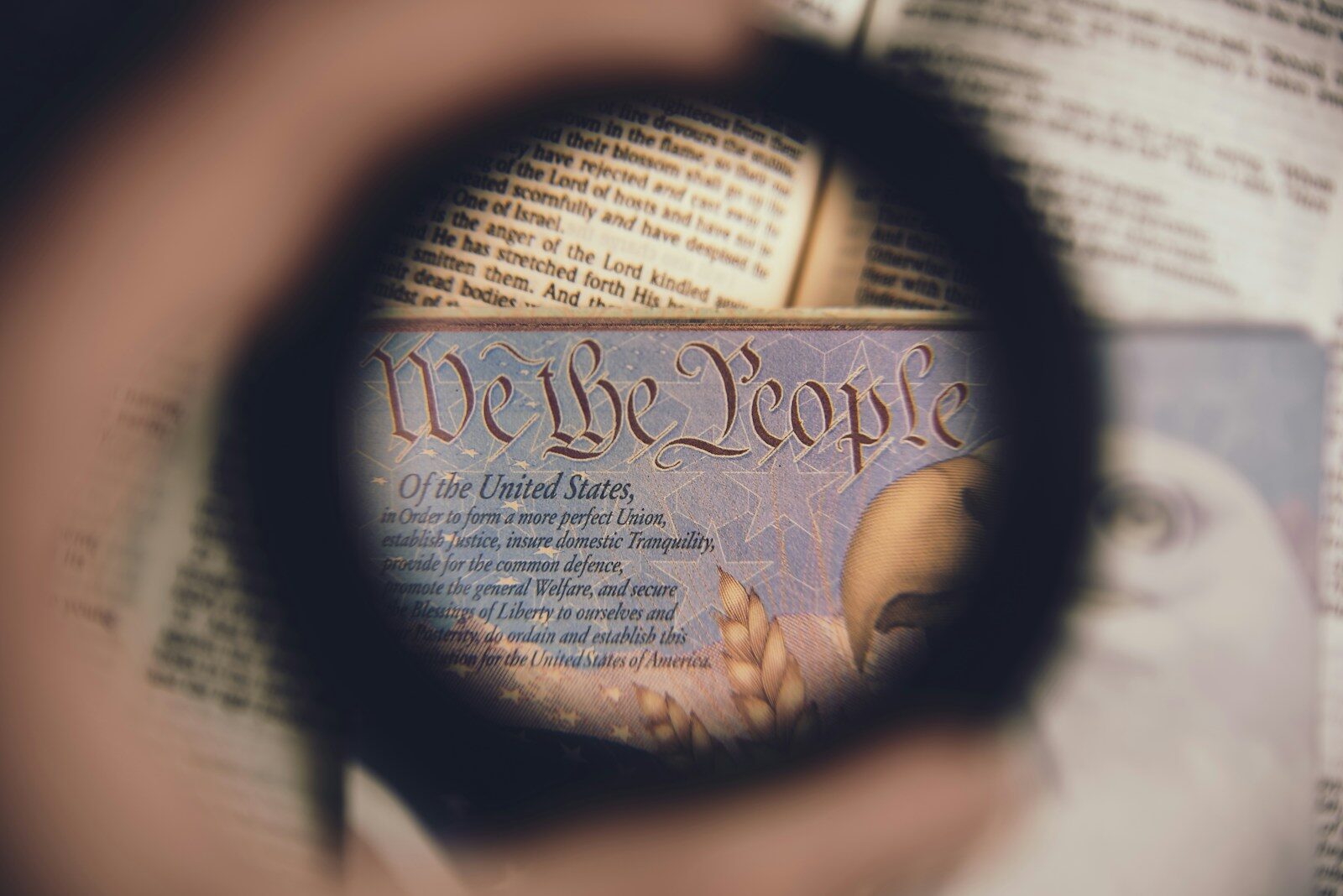
On July 2, 1776, New Jersey adopted its first state constitution. That date matters. It came two days before the Declaration of Independence was adopted on July 4.
The colony was moving fast. War had begun. British rule was breaking down. New Jersey needed a government that could act. So its leaders wrote a new plan for self-rule.
A Constitution Written in a Hurry
The document was written in only a few days. That sounds rushed because it was. The state needed a working government during a time of war.
The new constitution set up a legislature, courts, and a governor. It also gave rules for elections and public office. In other words, New Jersey was not only leaving British rule. It was building something to replace it.
The plan was first seen as temporary. Yet it lasted far longer than expected. That is one reason this short document deserves more attention.
It also shows how independence worked in real life. A declaration could announce a break. A constitution had to explain how people would govern after that break.
Why July 2 Matters
July 2 was already a major day in 1776. The Continental Congress voted for independence that day. New Jersey’s constitution came out of the same push for self-rule.
The New Jersey State Archives page on the 1776 constitution says the charter was written in five days. It also remained in force for sixty-eight years. That is a long life for a document first treated as a short-term answer.
This makes the date more than a footnote. New Jersey was already acting like a state before the country had fully settled what independence would mean.
State Constitutions Helped Build the New Nation
We often think first about the U.S. Constitution. But state constitutions came earlier. They gave Americans a place to test ideas about elections, courts, leaders, rights, and public power.
That same process appears in our look at Washington’s 1889 constitutional convention. The time was different, but the task was similar. People had to turn broad ideas about self-rule into real rules.
It also connects with Jamestown’s early representative assembly. That 1619 meeting was far more limited, but it helped start the long habit of local lawmaking in English America.
A Bold Start With Real Limits
New Jersey’s first constitution was not a modern rights document. Power was still limited. Many people had no political voice. The system reflected the values and limits of its time.
That does not make the charter unimportant. It shows us that self-government grew in stages. Some rights came early. Others took much longer.
Later fights over law and public power would keep shaping the country. Our article on the Scopes Trial shows one such fight, when a courtroom became the center of a much larger debate about government and public life.
New Jersey Was in the Middle of the Revolution
New Jersey sat between New York and Philadelphia. That made it important during the Revolutionary War. Armies moved through it. Battles were fought there. Towns and farms felt the cost of war.
So this constitution was not written from a safe distance. It was written while the future was still in doubt. That makes its plain, practical tone easier to understand.
For a very different look at modern New Jersey, the Noah’s Outdoors summer fishing guide includes a short New Jersey section. The topic is not politics, but it is another reminder that a place keeps building new layers of identity over time.
A Good Way to Learn More
If you want a wider view of the era, a New Jersey Revolutionary War history book on Amazon can help place the 1776 constitution beside the battles, politics, and local choices of the same years.
It is also worth reading the old charter itself. The language can feel strange, but the document shows what leaders thought had to be fixed first when colonial rule ended.
Why the 1776 Constitution Still Matters
New Jersey’s July constitution reminds us that independence was not only a bold statement. It was also a job. States had to make laws, choose leaders, run courts, and keep public life moving.
That is what makes July 2, 1776 worth remembering. New Jersey did not just say it wanted self-rule. It wrote down a plan for how self-rule would work.