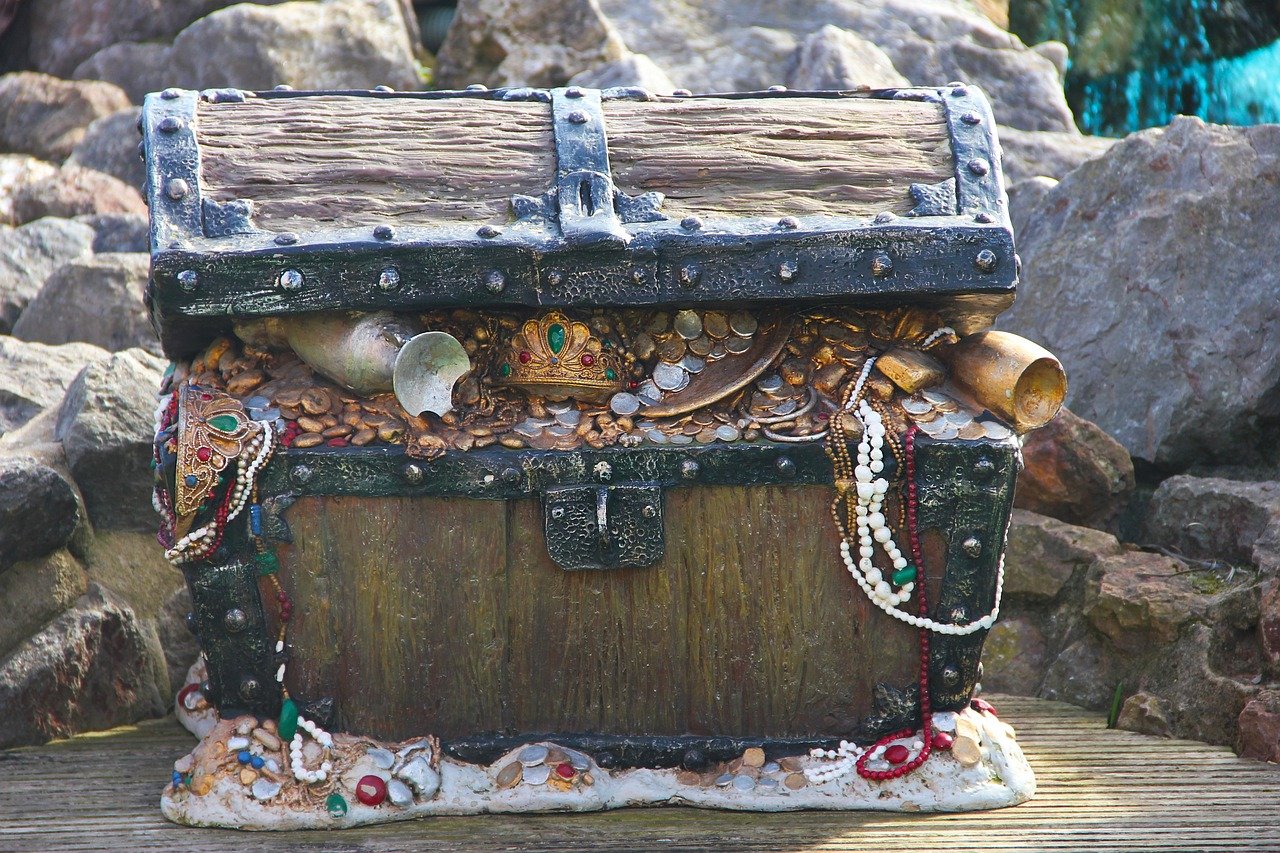
Treasure Island gave us one of the clearest pictures of pirate adventure. It has ships, mutiny, a secret map, buried gold, and Long John Silver. The story still shapes how we picture pirates today.
That fame has also created a great mystery. Was Stevenson writing about one real island? Was there a true treasure hunt behind the book? Or did he build the tale from many stories and places?
The answer is more fun than a simple yes or no. Stevenson did use real history and old pirate tales. Yet the island at the heart of his novel began as a work of imagination.
That does not make the hunt for its roots less exciting. It makes it better. We can follow the clues without turning a good theory into a fact.
The video below follows one such search. It looks for places and events that may have helped shape the world of the book. Think of it as a historical quest, not proof of one lost island.
To understand the mystery, we first need to go back to Scotland in 1881. That is where a simple map helped set one of the great adventure stories in motion.
The Map Came Before the Story
Stevenson was staying with his family in Braemar, Scotland, in the summer of 1881. He began drawing a map of an imaginary island. As he added woods, hills, bays, and names, a story began to form.
The National Library of Scotland tells this story from its Stevenson collections. Its account is important because it puts the creative act first. The map was not a chart of a proven treasure site. It was the spark for a novel.
That small fact changes the whole question. We do not need to find one island that matches every detail. We can ask where Stevenson found the pieces that made his imaginary place feel real.
Why the Island Feels Real
Good adventure stories use clear details. Stevenson gave readers beaches, hills, woods, anchorages, paths, and a marked map. Those details make the island easy to see in the mind.
He also knew a world shaped by the sea. The Stevenson family had deep ties to lighthouse engineering. Ships, coasts, storms, charts, and dangerous waters were not strange ideas in his family story.
Readers who enjoy seeing how old places hold clues may also like our look at Chepstow Castle and the stories hidden in its walls. A map or building can make history feel close because we can see the setting instead of only reading a date.
Real Pirates, Bigger Legends
Pirates were real. So were stolen cargo, privateers, mutinies, wrecks, and violent fights at sea. But pirate lore grew as people retold those events.
Buried treasure is a good example. Pirates did hide or lose wealth at times. Yet the neat image of a chest under an X became much larger in fiction than it was in normal pirate life.
Stevenson helped make that image stick. The map, the mark, and the hunt became part of our shared pirate language. Later books, films, games, and attractions borrowed the same visual ideas.
If you want to read the novel while following the story, a copy of Treasure Island is an easy companion. A simple old-style world map can also help younger readers picture the age of sail.
The Search for a Real Treasure Island
People have proposed many real places as possible influences. Some point to islands Stevenson knew. Others look at pirate routes, old maps, family stories, or places he visited later in life.
Those searches can be great history. The problem starts when a possible link is presented as settled fact. A good clue is not the same as proof.
That is why accidental finds can be so useful. Our guide to hidden history found by accident shows how an object becomes more useful when its place and context are recorded. The same rule helps when we study maps, letters, and old stories.
Treasure Hunting Needs Rules
The romance of treasure hunting can make people want to dig first and ask later. That is a bad habit. Historic sites, wrecks, artifacts, and public land can be protected by law.
A useful outdoor example is this guide to legal and respectful artifact hunting. The lesson is simple. Know who owns the land. Know the rules. Do not damage a site just to take home an object.
The same care applies on remote coasts. Our story about remote Alaska beaches and beach-found walrus ivory shows how an exciting find can come with rules about land, wildlife parts, and collection.
The Real Treasure Is the Story
There is no need to prove that one hidden island was the single model for Stevenson’s book. We already know something more useful. An imaginary map helped him build the story, and real maritime history gave that story weight.
That mix is why Treasure Island still works. The island feels possible. The danger feels close. The map makes us want to follow it.
The best way to enjoy the mystery is to keep fact and legend side by side. We can follow every clue. We can enjoy every theory. We just do not have to pretend the X has already been found.