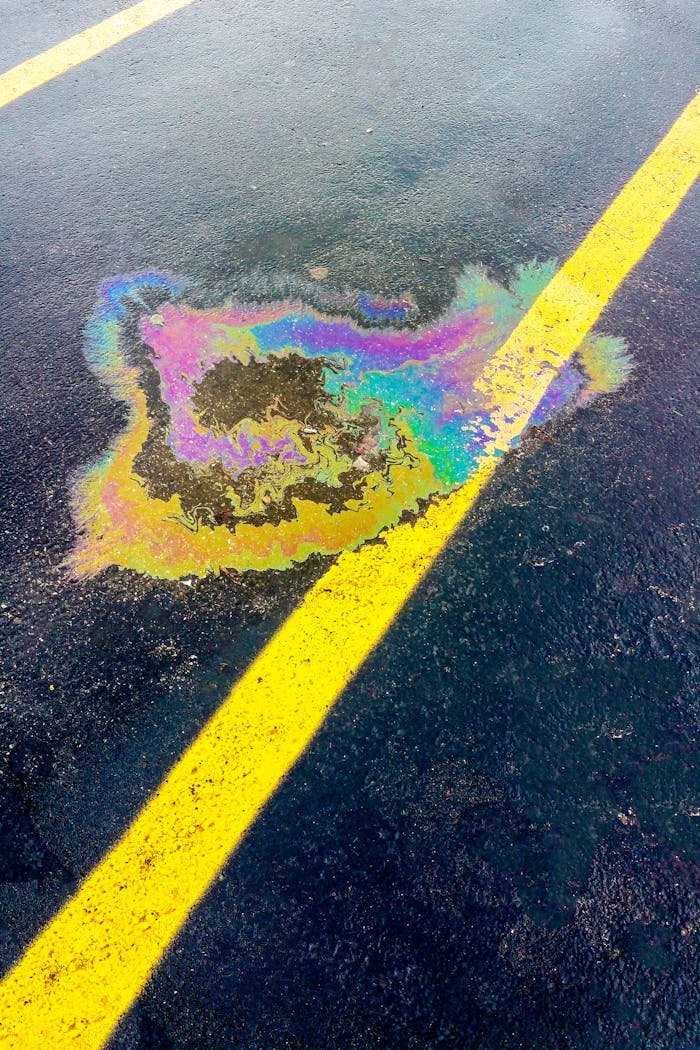
Oil spills can change a coast in hours. Oil can spread across open water, beaches, marshes, and wildlife habitat.
Some spills come from ships. Others start at wells or offshore platforms. Each event brings a different cleanup problem.
Three U.S. cases show the scale of that risk. They are the Exxon Valdez spill, the Deepwater Horizon spill, and the long Taylor Energy leak.
The events happened in different places and years. Yet each one tested people, equipment, laws, and plans.
The damage did not stop when the oil stopped moving. Recovery work can last for years as crews study water, shorelines, fish, birds, and other wildlife.
The video below looks back at major spills in American waters. It gives us a useful starting point for the facts and the lessons that followed.
Deepwater Horizon Changed the Gulf
On April 20, 2010, the Deepwater Horizon drilling platform exploded. Eleven workers died. Oil then flowed from the damaged Macondo well for 87 days.
The National Oceanic and Atmospheric Administration says about 134 million gallons of oil entered the Gulf. It was the largest offshore oil spill in U.S. history.
The spill reached a huge area. Oil touched more than 1,300 miles of shoreline. Marshes, beaches, fish, birds, sea turtles, and marine mammals were among the resources harmed.
The response used ships, aircraft, booms, skimmers, controlled burns, dispersants, and a capping system. Scientists also tracked where the oil moved and which habitats were at risk.
Exxon Valdez Changed Spill Law
On March 24, 1989, the Exxon Valdez ran aground on Bligh Reef in Alaska. Nearly 11 million gallons of crude oil spilled into Prince William Sound.
The spill affected more than 1,000 miles of coastline. Wildlife losses were severe, and some effects lasted for many years.
The disaster helped drive the Oil Pollution Act of 1990. The law strengthened spill planning, response, liability, and restoration rules in the United States.
Alaska also reminds us how much healthy water and habitat matter. Our look at remote Alaska beaches shows the wild setting that makes pollution in northern waters so serious.
The Taylor Energy Leak Was Different
Hurricane Ivan damaged a Taylor Energy platform off Louisiana in 2004. The event led to a long-running leak from wells buried beneath unstable seafloor sediment.
This case showed a different problem. A damaged offshore site can remain hard to reach long after the storm that caused the damage has passed.
Storms can also damage roads, power, homes, and other systems at the same time. Our Hurricane Beryl safety guide explains why strong plans matter before a major storm arrives.
Why Oil Is Hard on Wildlife
Oil can coat feathers and fur. It can also reach food, shoreline habitat, and nursery areas used by young fish and other animals.
Cleanup is not as simple as washing every shore. Some methods can disturb habitat too. Response teams must weigh the benefit of cleanup against the harm that heavy work may cause.
That is why long-term study matters. A place can look clean while parts of the ecosystem are still recovering. Our guide to Mana Pools and wildlife conservation offers another view of how water and habitat support whole animal communities.
What These Spills Taught Us
The first lesson is prevention. Safe equipment, clear rules, good training, and honest inspections matter before anything goes wrong.
The second lesson is preparation. Crews need plans, gear, maps, trained people, and clear lines of command before a spill reaches shore.
The third lesson is patience. Cleanup may end before restoration does. Wildlife and habitat can need years of study and repair.
Small choices also shape how we treat wild places. This Leave No Trace guide from Noah’s Outdoors gives simple ways to protect water and wildlife during everyday outdoor trips.
Learning More From Home
A book about oil spills and environmental history can add more context. A marine ecology guide can help explain why coastal habitats are so important.
These disasters are not only stories from the past. They are reminders to plan well, respond fast, measure the damage, and keep working until recovery is real.