On January 1, 1999, Europe changed the way money worked. Most people did not see a new note or coin that day. Shops still used marks, francs, lira, pesetas, and other national money.
The big change happened behind the scenes. Eleven countries began using one shared currency for banking, trade, budgets, and electronic payments. That currency was the euro.
The cash came later. Euro notes and coins did not reach the public until January 1, 2002. That is why many people remember 2002 as the start. But the money system itself began three years earlier.
The euro launch was part of a long plan to tie European economies closer together. The goal was simple to explain, even if it was hard to build: make trade easier, cut exchange-rate risk, and run one shared monetary policy.
That meant banks, businesses, and governments had to change how they kept records. Computer systems had to be ready. Contracts had to work in euros. Markets had to trust that the new rules would hold.
It was a quiet launch, but it was a huge one. The euro began without much noise on the street, yet it changed daily life across Europe for decades to come.
The euro started before the cash
The European Central Bank explains that the euro launched on January 1, 1999. For its first three years, it was mainly an “invisible” currency used for accounting and electronic payments.
This is the key fact. The euro was real money before most people could hold it. A bank could send a payment in euros. A company could keep its books in euros. A government could issue debt in euros.
Cash stayed local for a while. A shopper in Germany still used Deutsche Marks. A shopper in France still used francs. But the rates between those old currencies and the euro were fixed.
The first 11 euro countries
The first group had 11 members: Austria, Belgium, Finland, France, Germany, Ireland, Italy, Luxembourg, the Netherlands, Portugal, and Spain.
They gave up separate national monetary policies and moved under one shared system. The European Central Bank took the lead on interest rates and price stability for the new euro area.
Greece joined in 2001. That is why 12 countries took part when euro notes and coins entered circulation in 2002.
Why fixed exchange rates mattered
Before the euro, businesses had to think about many national currencies. Their values could move against each other. That added risk to trade, travel, loans, and long-term contracts.
On January 1, 1999, the conversion rates for the first 11 countries became fixed. They were not meant to drift again. That gave banks and businesses a clear rule for changing old national money into euros.
The change was less dramatic than a war or a revolution, but it belongs beside other major turning points in our January history guide. It shows how a date can matter even when most people do not notice it at once.
What changed for ordinary people
At first, not much changed at the grocery store. People still paid with familiar cash. The real shift showed up in bank statements, card payments, business accounts, and government finance.
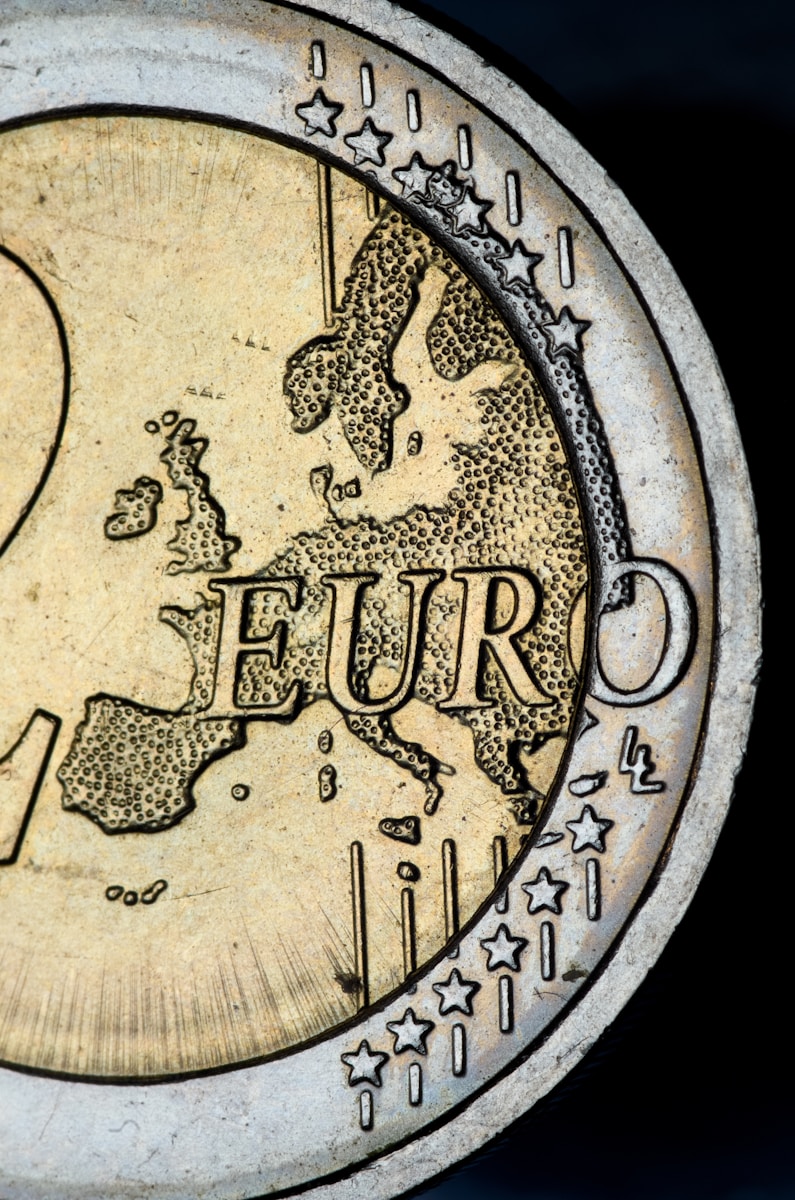
Then came 2002. Euro notes and coins entered circulation. Old national cash began to leave everyday use. The invisible system became something people could see and touch.
For travelers, the change was easy to understand. Moving between many euro-area countries no longer meant changing money at every border. Comparing prices also became simpler.
Not every European Union country adopted the euro. Denmark, for example, still uses the krone. That choice is one small part of the wider story of how countries balance shared European systems with national control, something this Denmark overview also touches on.
One central bank, one policy
A shared currency needs shared rules. The European Central Bank became responsible for monetary policy in the euro area.
That meant member countries no longer set separate interest-rate policies for their old currencies. They now shared one central approach.
This brought clear benefits, but it also created hard choices. A policy that fits one country may feel too tight or too loose for another. That tension became clear during later financial crises.
Why the 1999 launch still matters
The euro changed trade, travel, banking, and politics. It also became a visible sign of European integration.
The launch is a good example of how large change often starts in systems before it reaches daily life. The rules came first. The cash came later.
That pattern appears in many major events. Alaska’s move to statehood took years of debate before the formal change, as our Alaska statehood story shows. Haiti’s independence also grew from years of struggle before its declaration, covered in our Haitian Revolution article.
A simple way to remember it
Think of the euro in two dates.
- January 1, 1999: the euro began as the shared currency for banking, accounting, markets, and monetary policy in 11 countries.
- January 1, 2002: euro notes and coins entered circulation and reached everyday wallets.
If you enjoy collecting pieces of modern history, a simple euro coin album or starter collecting set can make the changeover easier to picture.
The euro did not arrive all at once. It came in layers. First the rules. Then the systems. Then the cash. That is what makes January 1, 1999 such an important date.