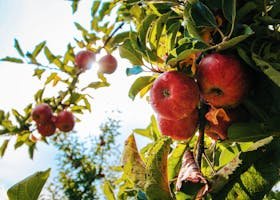
Apple trees can grow well in Alabama, but timing matters. A young tree gets its best start when cool weather gives the roots time to settle in before summer heat arrives.
For most Alabama home growers, late fall through winter is the easiest planting season. The exact day matters less than cool soil, workable ground, and steady moisture.
Alabama Extension says December is generally the best month for planting most fruit plants. November is also good once cooler weather is established, and planting can continue through January and February.
That earlier window is useful because roots can begin establishing before spring growth and hot weather increase the tree’s demand for water.
Bare-root trees should be planted while dormant. Container-grown trees give you more flexibility, but cool-season planting still makes first-year care easier in Alabama.
Before buying a tree, think about variety, rootstock, mature size, pollination, and winter chill. Those choices can matter as much as the planting date.
Best Time to Plant Apple Trees in Alabama
A good rule is to aim for November through February, with December an especially good target. The Alabama Cooperative Extension System’s fruit planting guide recommends late fall to early winter for most fruit plants and notes that earlier establishment can lead to more growth the next year.
If you are building a broader cold-season plan, our winter gardening guide covers simple jobs that fit this same quiet part of the year.
Choose the Right Apple for Your Part of Alabama
Apple varieties need enough winter chilling before they resume normal spring growth. Alabama Extension lists standard apples at roughly 800 to 1,100 chill hours, but individual cultivars can differ. Your local winter conditions should guide variety choice.
A reputable local nursery or county Extension office can help match a cultivar and rootstock to your area. You can also read this practical Alabama apple-growing guide for more regional context.
Pick a Sunny, Well-Drained Site
Choose a spot with plenty of sun and soil that drains well. Avoid low areas where water stands after rain. Give the tree enough room for its mature canopy and roots.
Do not bury the trunk too deeply. Set the tree so the root flare is near the soil surface, spread the roots naturally, backfill with the native soil, and water thoroughly after planting.
A simple tree watering bag can make slow watering easier during dry spells. Keep mulch a few inches away from the trunk instead of piling it against the bark.
Plan for Pollination and Future Pruning
Many apples crop better when a compatible apple variety blooms nearby at the same time. Check the pollination needs of the cultivar before you buy, especially if there are no other apple trees close to your property.
Pruning also becomes part of long-term care. Alabama Extension prefers late-winter pruning for apples before bloom. Our plant pruning guide explains the basic idea behind clean, purposeful cuts.
For clean cuts on young branches, a pair of bypass pruning shears is a useful basic tool. Remove broken or damaged growth first and avoid heavy pruning just because a tree has been planted.
Help the Tree Through Its First Year
Water deeply when rainfall is not enough. Keep grass and weeds from competing right around the young tree. Watch for stress, damaged bark, insects, and disease symptoms as new growth appears.
Good planting habits are simple, but small mistakes can follow a tree for years. Our guide to common gardening mistakes is a useful reminder to check drainage, watering, spacing, and other basics before problems grow.
For Alabama, the main takeaway is simple: buy a suitable apple tree, plant during the cool dormant season, give it sun and drainage, and keep the roots evenly moist while the tree establishes.