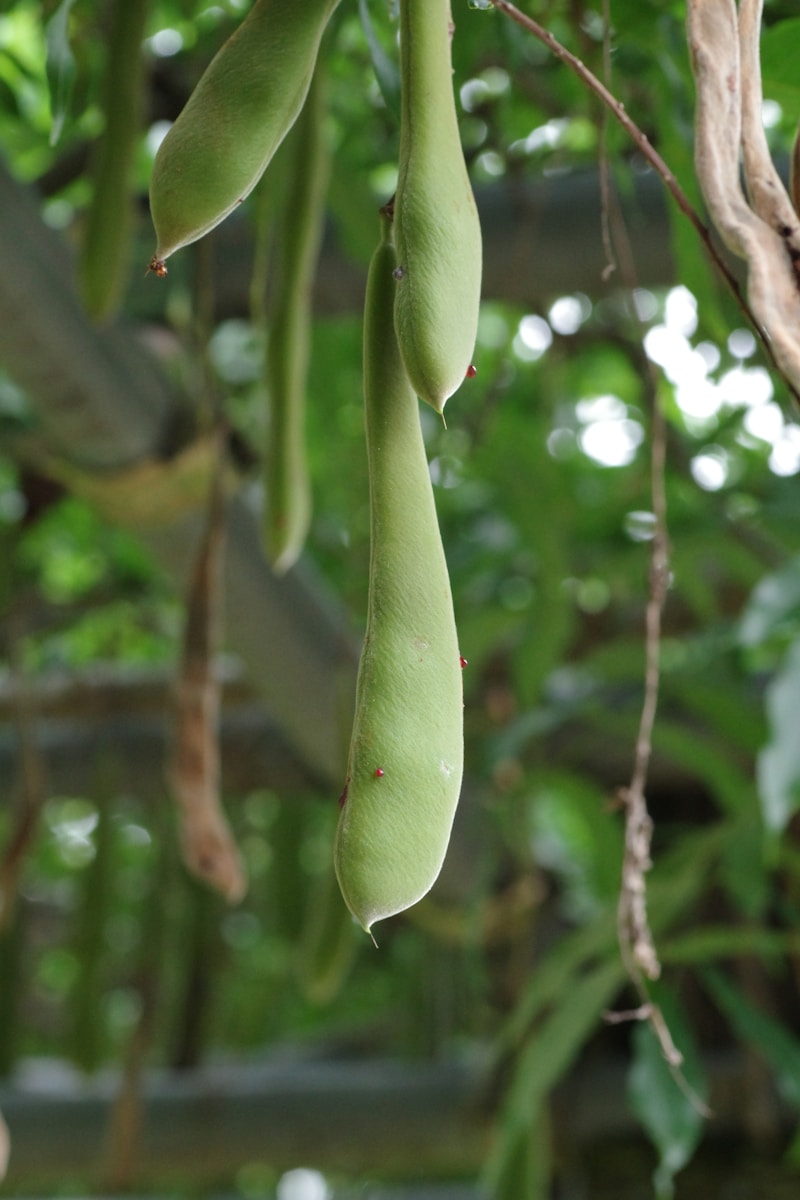
Fava beans, also called broad beans, are cool-season legumes that fit neatly between winter and summer crops. They grow well in mild weather and give you tender green beans before many warm-season vegetables are ready.
They are also useful plants for the garden itself. Their roots work with soil bacteria that can fix nitrogen, and their flowers bring bees into the bed.
In mild climates, favas can go into the ground in fall. In colder places, plant them in late winter or early spring as soon as the soil can be worked.
Give them full sun and soil that drains well. They like steady moisture, but wet roots can slow them down or cause rot.
Most home gardeners can sow fava beans right where they will grow. Large seeds are easy to handle, and seedlings are sturdy once they emerge.
Taller types may need simple support later. A few stakes and a loop of garden twine around the row are often enough.
Why Fava Beans Are Worth Growing
Favas handle cool weather better than common snap beans. That makes them useful when the rest of the vegetable garden is still quiet.
The UC Small Farms Network notes that properly nodulated fava beans do not need nitrogen fertilizer. The plants can also add a large amount of organic matter when they are grown as a green manure crop.
If you garden through the cool months, the same timing ideas also show up in this Alabama Grown guide to fall and spring turnips. Both crops do best when heat is not yet at its peak.
When to Plant Fava Beans
In areas with mild winters, sow in fall. Plants can establish in cool weather and then grow fast as days lengthen.
In colder climates, sow in late winter or early spring. The goal is to let plants flower and fill pods before hot summer weather arrives.
If you are new to early sowing, our seed germination guide explains how moisture, temperature, and seed depth affect a good start.
How to Sow Fava Beans
Sow seeds about 1 to 2 inches deep. Space plants roughly 6 to 8 inches apart, with enough room between rows to walk, weed, and harvest.
Water after planting so the soil settles around each seed. Keep the bed damp, not soaked, while the seedlings get started.
If you need seed, a simple fava bean seed search will show common garden varieties. Choose one that fits your season and available space.
Support Tall Plants
Some fava plants stay compact. Others can reach several feet tall and may lean when wind, rain, or heavy pods arrive.
Place stakes at the ends of a row and run twine around the outside. Add a second loop higher up as the plants grow. You can find basic garden twine for plant support if you do not already have some.
Watering and Feeding
Keep the soil evenly moist once flowers and pods appear. Long dry spells at this stage can reduce the crop.
Do not push the plants with lots of nitrogen fertilizer. Too much nitrogen can lead to more leaves and fewer pods. Compost and a soil test are better guides than guesswork.
Watch for Aphids
Black aphids often gather on the soft growing tips. Check plants often and deal with small colonies before they spread.
A firm spray of water can knock aphids off. You can also pinch out soft growing tips once pods have started to set. Our natural pest control guide has more simple ideas for checking leaves, using barriers, and supporting helpful insects.
When to Harvest
For tender beans, pick pods while they are green, plump, and still soft. Younger beans have a milder taste and cook quickly.
For larger shelling beans, let the pods swell more. For dry beans, leave the pods until they turn brown and papery, then shell and store the dry seed in a cool place.
Fava beans pair well with other cool-season crops. If you want another easy crop for the same part of the year, see our guide to growing shallots.
A Simple Fava Bean Plan
- Plant in fall in mild areas or very early spring in colder ones.
- Use full sun and well-drained soil.
- Keep moisture steady, especially during flowering.
- Support taller varieties with stakes and twine.
- Watch soft tips for aphids.
- Harvest green pods early or let some mature for dry beans.
Fava beans are simple, useful, and productive. Plant them in cool weather, keep them watered, give tall plants a little support, and they can reward you with an early crop before the summer garden takes over.