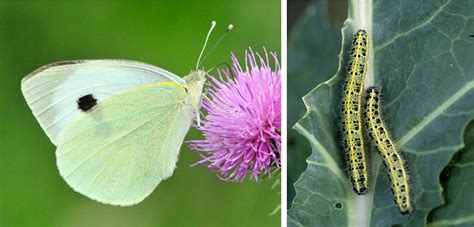
Brassicas are easy targets for hungry pests. Cabbageworms chew holes. Aphids crowd new growth. Root maggots attack below the soil. Birds can strip leaves fast.
You do not need to reach for a spray first. A few simple habits can protect cabbage, kale, broccoli, cauliflower, and other crops while keeping the garden friendly to pollinators and helpful insects.
Start with healthy plants. Give them good soil, steady water, enough sun, and room for air to move between leaves.
Then block pests before they arrive. Fine insect mesh or a light row cover can stop many flying insects from reaching the crop.
Check the plants often. A short walk through the bed once or twice a week can catch eggs, caterpillars, or aphids before they become a large problem.
Finally, rotate crops and make room for flowers and herbs. A mixed garden gives pests fewer easy targets and gives helpful insects food and shelter.
Use Barriers First
A physical barrier is one of the cleanest ways to protect brassicas. Put mesh or row cover over hoops as soon as young plants go into the bed. Seal the edges with soil, boards, stones, or garden pins.
For root maggots, timing matters. The University of Minnesota Extension notes that row covers work well when they are in place before adult flies arrive. It also warns against trapping flies under the cover where brassicas grew the year before.
If you need supplies, a fine garden insect mesh is useful for cabbage moths and other flying pests. A floating row cover is another simple option for young plants.
Protect Plants From Birds
Bird netting works best when it sits on a frame. Keep it high enough that birds cannot land on it and reach the leaves. Pull it tight and secure the edges at ground level.
Check Leaves and Remove Pests Early
Look under leaves for eggs and small caterpillars. Wipe off eggs and hand-pick caterpillars. This takes only a few minutes when you do it often.
Aphids often gather on soft tips and leaf undersides. Small groups can be rubbed off or washed away with a firm stream of plain water.
This same habit helps with many vegetables. Our guide to growing radishes explains how quick checks can help catch flea beetle damage while it is still small.
Use Herbs and Flowers With Care
Flowers can feed hoverflies, small wasps, and other insects that prey on garden pests. Dill, calendula, buckwheat, and similar blooms can add useful habitat near a vegetable bed.
Strong herbs can also add diversity around the garden. If you want mint nearby, keep it in a pot because it spreads fast. Wright Gardens has a useful example with its Mojito mint plant guide.
If you want more herbs without much cost, our DIY herb garden guide covers easy containers, cuttings, and basic care.
Rotate Brassicas Each Year
Do not grow cabbage-family crops in the same small patch every year. Moving them makes it harder for pests that live in the soil to build up in one place.
Rotation matters most when you also use row covers. If root-maggot pupae are already in the soil, a cover can trap the adult flies inside with the crop.
Planning ahead also makes winter and early spring planting easier. Our January vegetable garden guide shows how to prepare beds, protect soil, and start cool-season crops.
A Simple Brassica Pest Plan
- Grow strong plants in good soil.
- Cover young crops before pests arrive.
- Check leaves often and remove pests early.
- Use flowers and herbs to support a diverse garden.
- Rotate brassicas to a new bed when possible.
- Use sturdy bird protection where pigeons or other birds are a problem.
No single trick stops every pest. The best results come from stacking simple steps. Barriers, regular checks, rotation, and a healthy garden work together to keep damage low without turning pest control into a constant battle.