On July 30, 1619, elected burgesses met at Jamestown. See why that small assembly became an early step toward representative government in English America.
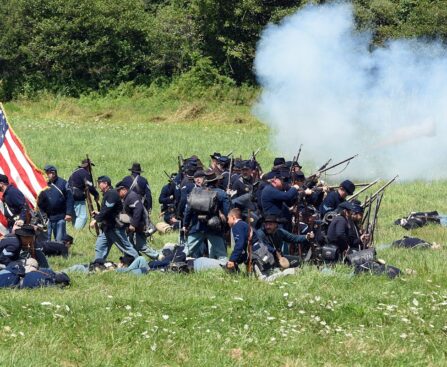
The Battle of Atlanta on July 22, 1864, was a key fight in Sherman’s campaign for the city. Learn why Atlanta mattered, what happened in the battle, and how it shaped the Civil War.
Cleveland began in 1796 when Moses Cleaveland led a survey team to Lake Erie. Learn why the site mattered, how the city grew, and what shaped its early history.
On July 4, 1778, George Rogers Clark captured Kaskaskia without a major battle. The small frontier move helped weaken British control in the West and shaped later American claims.
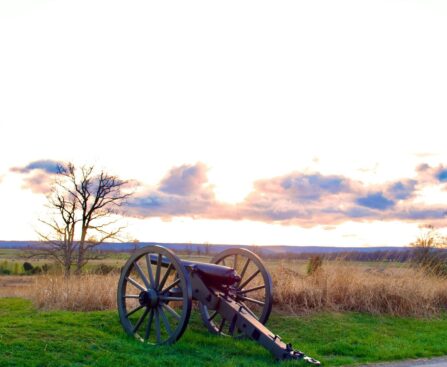
The Battle of Gettysburg was fought July 1–3, 1863. See why the Union victory mattered, what the battle cost, and why the fields still draw visitors today.
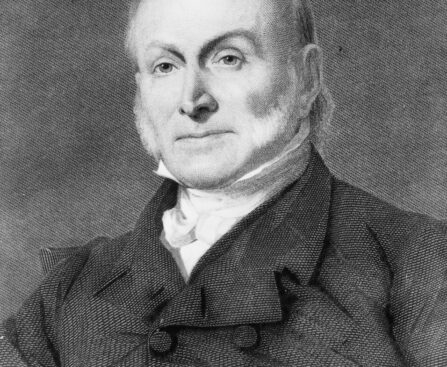
John Quincy Adams spent most of his life in public service. See how his early years, diplomacy, presidency, and long career in Congress shaped his legacy.
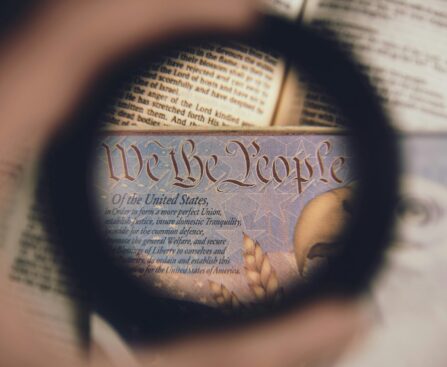
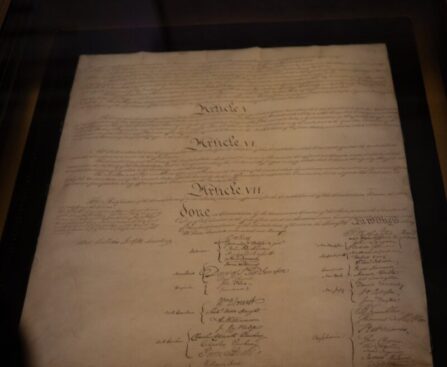
New York ratified the U.S. Constitution on July 26, 1788. See why the close vote mattered, how the debate shaped the Union, and why the Bill of Rights followed.