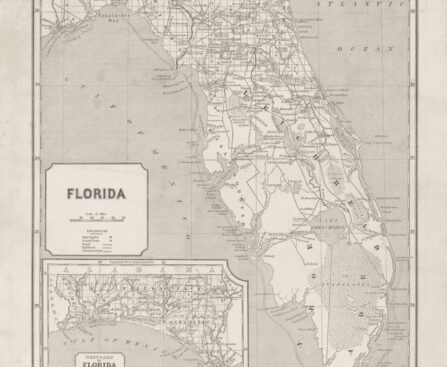
On July 17, 1821, Spain transferred Florida to the United States. See how the Adams-Onís Treaty, Andrew Jackson, and life on the frontier shaped the change.
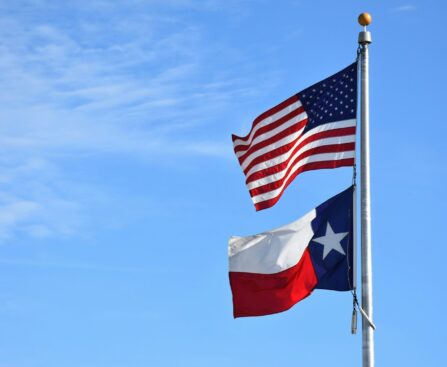
In 1845, Texas moved from independent republic toward U.S. statehood. See how annexation, the Austin convention, and national politics shaped the change.
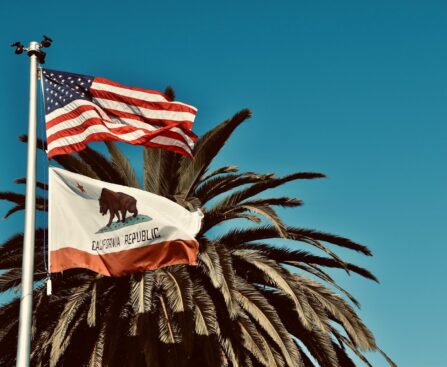
On July 7, 1846, Commodore John D. Sloat raised the U.S. flag over Monterey’s Custom House. See how the act marked a turning point in California history.
Art history helps you read images, think clearly, understand people and power, and build useful research and writing skills. Here are seven practical reasons to study it.
See how the East India Company moved from trade to military power in India through forts, private armies, alliances, Plassey, revenue control, and Parliament’s response.
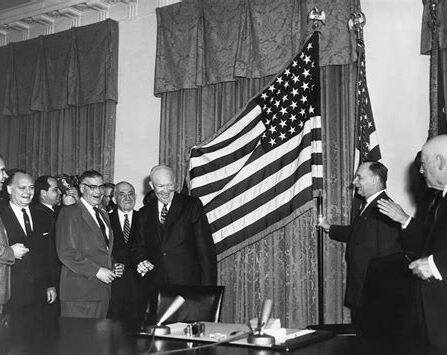
Alaska became the 49th U.S. state on January 3, 1959. Learn how the Statehood Act, Cold War concerns, land questions, and a long local campaign led to statehood.
Haiti declared independence on January 1, 1804 after a revolution led by formerly enslaved people. Learn how the revolt began, why France returned, and why Haiti’s victory changed world history.