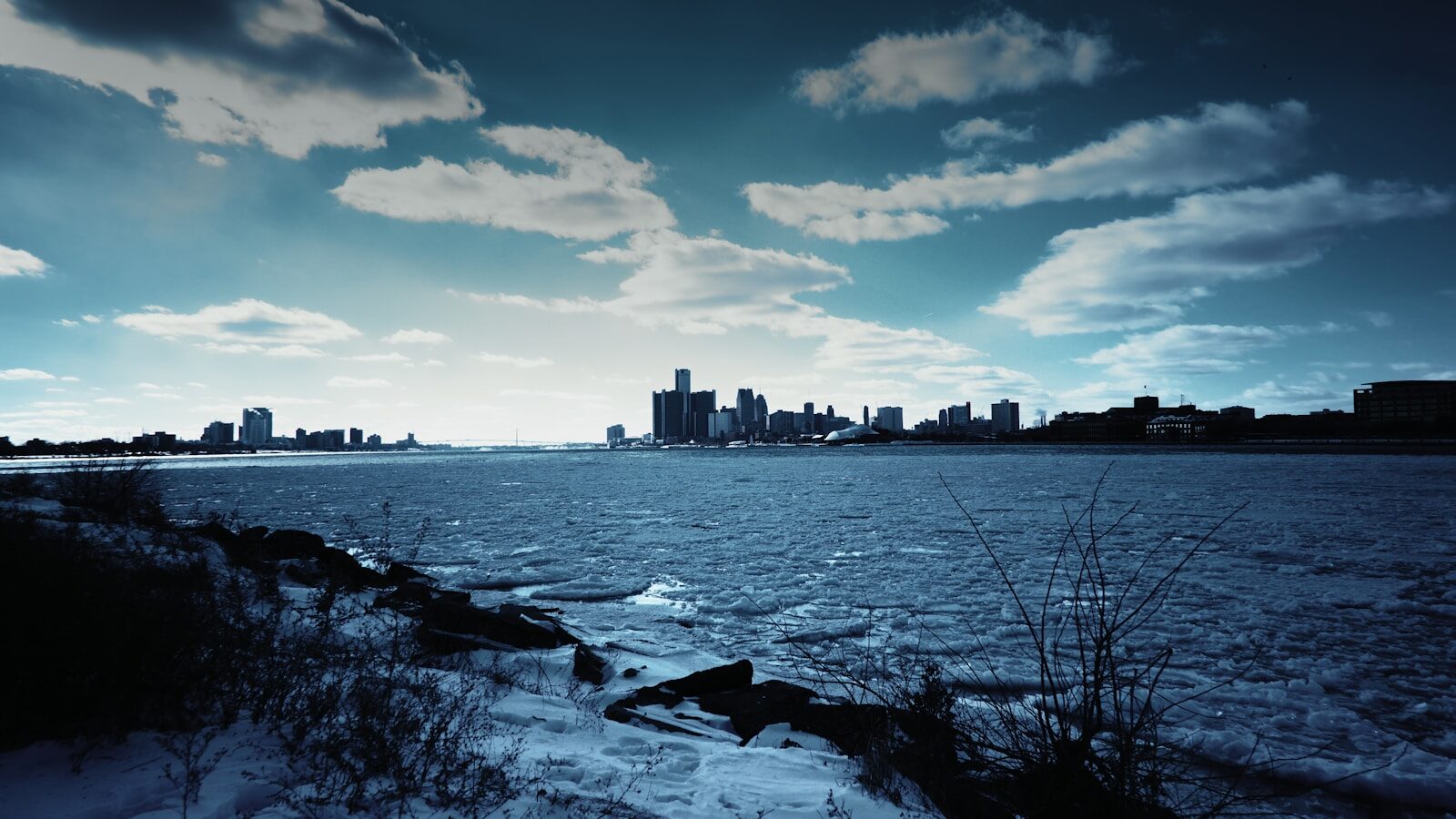
Detroit began with water. On July 24, 1701, Antoine de la Mothe Cadillac helped found a French settlement beside the Detroit River. The site was not picked by chance. The river joined key parts of the Great Lakes and gave people a fast way to move.
Long before cars made Detroit famous, the city grew from trade, travel, and control of the river. That first choice shaped what came next. The city changed many times, but the water kept its value.
Why the Detroit River Mattered
The Detroit River links Lake St. Clair with Lake Erie. In the early 1700s, that made it a busy route. Canoes, trade goods, news, and soldiers could move through the narrow waterway. A post here could watch and use that traffic.
The place was part of a much larger Great Lakes world. Native nations already knew these waters and routes well. French plans depended on that older network. Detroit was never an empty spot waiting to be found.
That geography helps explain why cities often grow where movement is easy. We see a similar pattern in our story about the B&O Railroad and a new age of travel. A road, river, or rail line can shape a place for generations.
For a wider Great Lakes view, this look at salmon fishing on Lake Michigan shows how the region is still tied together by water today. The use has changed, but the lakes remain part of daily life.
A French Fort Takes Shape
The new settlement was called Fort Pontchartrain du Détroit. It was part of New France. The fort gave France a base in the region and helped support trade and defense.
French settlers, traders, soldiers, and missionaries came through the area. Native nations remained central to trade and diplomacy. These ties could be friendly, tense, or both at once. Power in the Great Lakes depended on people as much as forts.
Britannica’s history of Detroit traces the city from its French start through later British and American rule. That long path shows how often Detroit changed while its location stayed useful.
Native Nations Were Part of the Story
Detroit’s founding should not be told as a story about one French officer alone. Native communities had lived, traveled, traded, and fought across the region for generations. Their choices shaped what France could and could not do.
That makes Detroit a Great Lakes story, not just a French one. It is a story about a place where cultures met, traded, argued, and changed each other.
The River Kept Its Value
Detroit later became part of British North America and then the United States. The city grew. Industry followed. So did shipping, factories, jobs, music, and migration. The story became much larger than the old fort.
Still, the river stayed at the center. It helped move goods and people. It also placed Detroit next to Canada and on a major route between the upper and lower Great Lakes.
The same idea appears in our article on the founding of Colorado Springs. A city may begin with a plan, but place matters. Water, land, roads, and routes can turn a plan into a lasting settlement.
From River Post to Motor City
By the 1900s, Detroit was known around the world for cars. That later fame can hide the older story. Before assembly lines, the city was a river town. Its first strength came from where it sat.
If you want a longer look at the city’s past, a Detroit history book on Amazon can add maps, photos, and detail beyond a short article.
Detroit’s growth also fits a wider American pattern. Our piece on Tucson’s growth as a frontier city shows another place shaped by location, trade, and changing national power.
Why the Founding Still Matters
The Detroit story is a simple lesson in geography. Cities grow for many reasons. People matter. Money matters. Politics matter. But location can set the stage for all of them.
Detroit began beside a river because the river made movement possible. More than three centuries later, that fact still helps explain the city. The skyline changed. The work changed. The water did not.