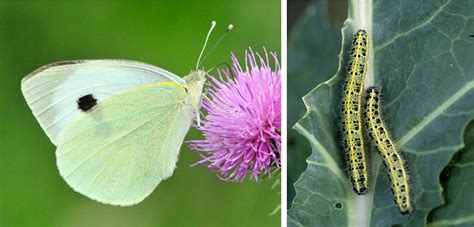
Caterpillars, aphids, cabbageworms, root fly, pigeons.
They all love your brassicas as much as you do.
The good news is that we can protect cabbages, kale, broccoli, and other veg without reaching for chemical sprays. By combining clever planting, strong physical barriers, and a bit of regular checking, we build a simple, natural shield around the garden.
Step One: Grow Strong, Stress-Free Plants
Healthy plants cope better with pests, so our first “control method” is good basic care.
- Plant in fertile, well-drained soil with plenty of compost.
- Give brassicas full sun and enough water, especially during dry spells.
- Space plants so leaves can dry quickly after rain and air can move between them.
Good soil and spacing make plants less tempting to sap-suckers like aphids and less likely to collapse if a few leaves take damage Grow Fava Beans.
Step Two: Use Physical Barriers As Your First Line Of Defense
Barriers stop pests from reaching plants in the first place. That is always easier than trying to “cure” an infestation later.
Insect mesh and row covers
Fine insect mesh or lightweight row cover keeps off:
- Cabbage white butterflies and moths (so no cabbageworm caterpillars)
- Cabbage root fly adults
- Many aphids and flea beetles
Garden trials show that tight-knit nylon or polyethylene insect mesh, secured all the way around, is one of the most reliable ways to protect brassicas.
Tips:
- Put mesh over hoops or a frame as soon as you plant your brassicas.
- Make sure the edges are pinned or weighted to the soil with boards, bricks, or pegs.
- Check after weeding or watering that you have not trapped a butterfly inside.
Cabbage collars for root fly
Cabbage root fly adults lay eggs at the base of stems Philodendron hybrid Summer Glory. The maggots then tunnel into roots and kill or stunt plants.
Simple collars around each stem:
- Block flies from laying eggs at the soil line
- Help keep soil moist and weed-free right at the base
Organic gardening guides recommend felt, card, or purpose-made “cabbage collars” to protect young brassicas from root maggots.
Bird-proof structures for pigeons
Pigeons can strip a bed of cabbages, kale, peas, and beans in a single day. They peck leaves and may even sit on loose netting and crush plants underneath.
For them you need:
- Sturdy frames or cloches over the bed
- Proper bird netting or strong insect mesh pulled tight and high enough that birds cannot land on it and press it down
- Netting secured at the ground so they cannot walk under it
Experienced growers find that taut, well-supported net tunnels are far more effective than simply draping netting over plants.
Step Three: Companion Planting And Trap Crops
Plants can help protect each other. We can mix herbs and flowers into brassica beds to confuse pests and invite predators.
Scented herbs as living repellents
Saxifraga stolonifera variegata Variegated Strawberry Begonia Aromatic herbs release strong smells that can disrupt how insects find your cabbages.
Useful choices near brassicas include:
- Mint in pots, placed around the bed (kept contained so it does not spread)
- Chamomile and lemon balm
- Sage, rosemary, oregano, dill, and other strong herbs
Garden writers and recent expert advice suggest mints and other strong herbs can help reduce aphids, flea beetles, and other pests when used as part of a wider pest-management plan.
Nasturtiums and leafy “decoys”
Some plants are so attractive to pests that we use them as trap crops.
- Nasturtiums lure aphids and can also host cabbage white caterpillars, drawing them away from the main crop.
- Extra rows of mustard or arugula can be sacrificial greens for flea beetles and caterpillars, leaving your main cabbages cleaner.
We can then:
- Let beneficial insects feed on the pests there, or
- Remove heavily infested trap plants and compost or discard them away from the bed.
Flowers that feed your allies
Flowers like calendula, marigolds, and buckwheat draw in hoverflies, parasitic wasps, and other friendly insects that prey on aphids, caterpillars, and fly larvae.
Planting a strip or patch of Schlumbergera hybrid Chiba Spot flowers near brassicas turns the bed into a bus stop for natural predators.
Step Four: Hands-On Checks And Gentle Removal
Even with good barriers and companions, a few pests will still sneak in. Regular checking keeps damage small and manageable.
For caterpillars and cabbageworms
- Look on the undersides of leaves for yellow or white eggs and tiny caterpillars.
- Squash eggs or gently wipe them off.
- Pick off caterpillars by hand and move them to a sacrificial nasturtium or a distant hedge.
This quick, weekly walk-through stops a light nibble turning into a bare stalk.
For aphids
- Check soft growing tips and leaf undersides.
- Rub small colonies off with your fingers or a damp cloth.
- For larger patches, reduce numbers with a firm spray of water from the hose, then let ladybirds and hoverflies clean up the rest.
Avoid dish soaps or homemade sprays that can burn leaves and also harm friendly insects.
Step Five: Help Beneficial Insects And Soil Life
Natural pest control works best when the garden supports a rich web of life.
- Keep some herbs and flowers blooming for as much of the year as possible. Dill, fennel, buckwheat, and many daisies feed adult beneficial insects.
- Leave a few “wild” corners, piles of stems, or small log stacks as shelter for beetles, spiders, and ground-dwelling predators.
- Avoid broad-spectrum pesticides, even organic ones, so predators and pollinators can thrive.
Over time, these helpers reduce aphid booms and Schlumbergera hybrid Modesto keep caterpillar numbers in check.
Pest-By-Pest Natural Playbook
Caterpillars and cabbageworms
Main culprits: cabbage white butterflies and related moths.
Natural tools:
- Fine insect mesh or butterfly netting from planting to harvest.
- Hand-picking eggs and caterpillars during quick weekly checks.
- Nasturtium trap crops and mixed plantings so brassicas are less obvious.
Aphids
Natural tools:
- Sprays of plain water to knock them off.
- Companion plants like garlic, onions, chives, mint, and calendula that help repel or distract them.
- Flower strips that attract hoverflies and ladybirds.
Cabbage root fly
Natural tools:
- Crop rotation, moving brassicas to a new bed each year so larvae and pupae do not build up.
- Tight insect mesh over the whole bed during egg-laying season.
- Cabbage collars at the base of each plant to block egg-laying at the stem.
Pigeons
Natural tools:
- Strong frames with taut netting or mesh high enough that birds cannot land on it.
- Extra protection on bed edges, where birds may try to sneak under.
- Visual deterrents (sparkly tape, spinning reflectors) as backup Philodendron hastatum Silver Sword, not as the only defense.
Half-hearted covers usually fail. A proper structure saves the crop.
Step Six: Rotation And Layout For Fewer Pests Next Year
Layout matters just as much as what you plant.
- Rotate brassicas on a three- or four-year cycle, so soil pests like root maggots and some diseases are less likely to explode.
- Avoid huge solid blocks of one crop. Instead, mix brassicas with flowers, herbs, and other veg so pests have a harder time finding a buffet.
This kind of layout makes our garden look richer and also works like camouflage.
Brassica Guardians In Every Bed
Natural, chemical-free pest control is not one big trick. It is a stack of small habits that work together.
We build strong soil.
We shield crops with mesh and collars.
We tuck in herbs, flowers, and trap crops.
We check plants often, remove problems early, and give space for predators to do their work.
When we garden this way, caterpillars, aphids, cabbageworms, root fly, and even hungry pigeons become manageable. Our brassicas and other vegetables stay greener and cleaner. Our garden stays alive with bees, birds, and helpful insects, not just bare soil and spray.
Step by step, bed by bed, we turn the whole plot into its own quiet, natural defense system.