A good herb garden does not need to cost much. You can start with a few pots, a bag of mix, and the herbs you use most in the kitchen.
Start small. Three or four herbs are enough for a first setup. Add more later as you learn what grows well in your space.
Basil, parsley, chives, thyme, rosemary, oregano, and mint are all useful choices. Pick the ones you cook with often so the garden earns its keep.
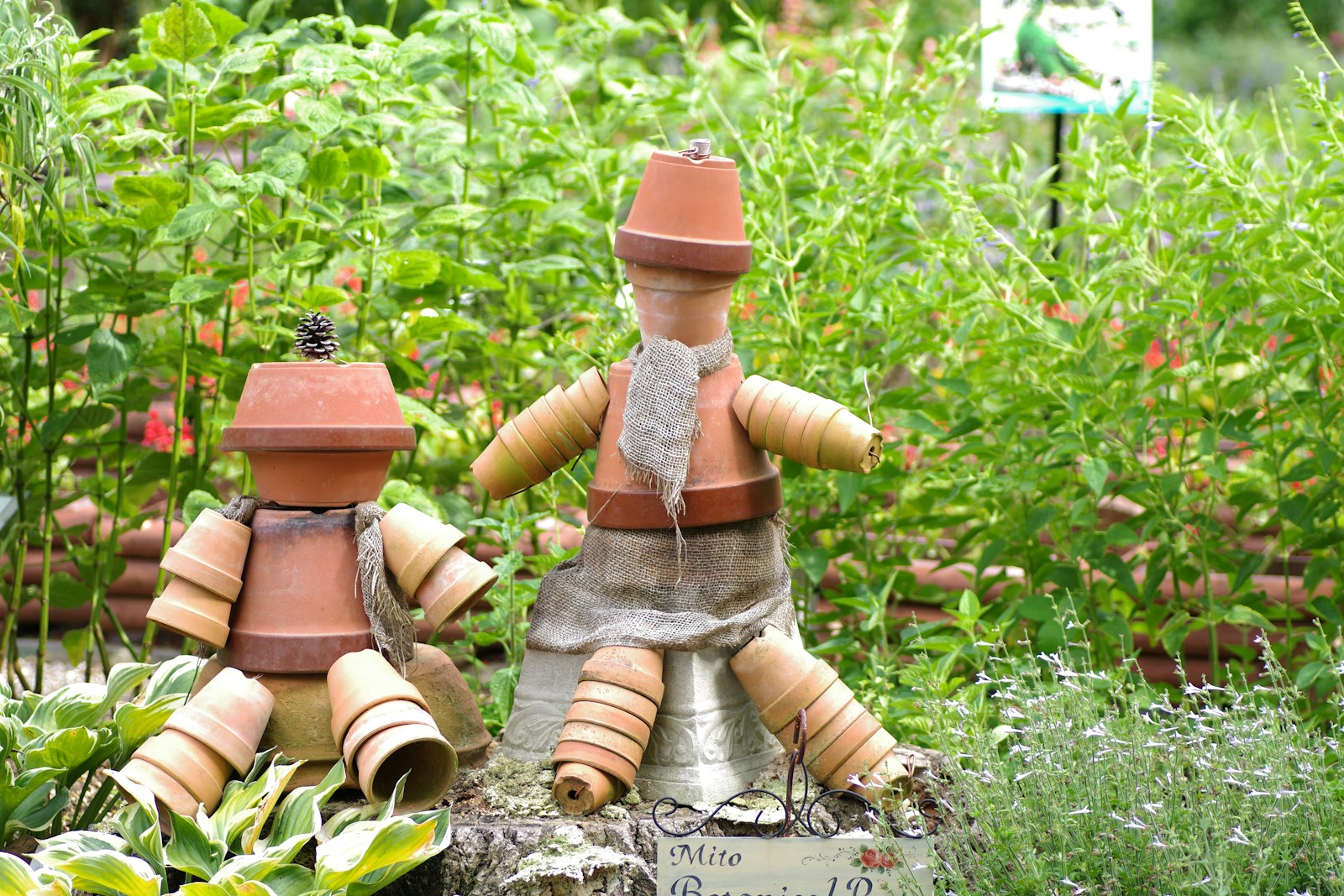
Containers make the project easy. You can move them, group plants by water needs, and keep fast spreaders like mint from taking over.
You can also make new plants from cuttings and divisions. That lets one healthy herb turn into several plants with very little cost.
The goal is simple: give each herb enough light, good drainage, steady water, and regular trimming.
Choose herbs you will really use
Think about meals before you think about plants. Basil is great for pesto and tomato dishes. Parsley works in many savory meals. Chives are easy to snip over eggs, potatoes, and soups.
Rosemary, thyme, oregano, and sage like bright light and soil that drains well. Mint likes more moisture and spreads fast, so keep it in its own pot.
If you want ideas for pairing herbs with a larger food garden, take a look at this summer garden walkthrough.
Use simple containers
You do not need matching pots. Buckets, nursery pots, food-safe tubs, window boxes, and old planters can all work.
The one thing every container needs is a drainage hole. Wet roots cause more trouble than plain-looking pots ever will.
Fill containers with a light, well-drained potting mix made for containers. Garden soil is often too heavy for pots.
The University of Minnesota Extension also recommends well-drained soil, drainage holes, strong light, and light feeding for container herbs.
Start herbs from cuttings
Cuttings are one of the cheapest ways to grow more herbs. Basil and mint are especially easy. Rosemary, oregano, sage, and thyme can also root from young stems.
Take a healthy cutting
- Choose a healthy stem that is not flowering.
- Cut a 4- to 6-inch piece just below a leaf node.
- Remove the leaves from the lower half.
- Keep a few leaves at the top.
A clean pair of small pruning snips makes this job easier and helps avoid crushed stems.
Root in water or mix
Basil and mint often root well in a glass of water. Keep the bare stem in water and the leaves above it. Change the water every few days.
Woodier herbs often do better in damp potting mix. Push the bare stem into the mix, keep it moist but not wet, and place it in bright indirect light.
If you want the basics behind rooting and early plant growth, this guide to seed germination and young plant care covers the same core needs: moisture, warmth, light, and patience.
Divide clumping herbs
Some herbs are easier to divide than to root. Chives, mint, lemon balm, oregano, and older thyme clumps can often be split into smaller plants.
- Water the plant first.
- Lift it from the pot or soil.
- Pull or cut the root ball into sections.
- Make sure each section has roots and green shoots.
- Replant at the same depth and water well.
Group herbs by water needs
This small step makes care much easier.
- Thirstier herbs: basil, parsley, cilantro, and mint.
- Drier herbs: rosemary, thyme, oregano, and sage.
Put plants with similar needs in the same large container. Keep mint separate because its roots spread fast.
Give herbs enough light
Most culinary herbs grow best with strong sun. Six hours of direct light is a good target for many types.
Indoors, use your brightest window. Turn pots now and then so one side does not lean toward the glass.
If winter light is weak, a small grow light can help. This is also a good time to use the planning ideas in our January vegetable garden guide.
Water without drowning the roots
Check the mix with your finger. Water when the upper layer feels dry, then let extra water drain out.
Rosemary and thyme prefer to dry a little between waterings. Basil and mint usually want more even moisture.
A deep drink followed by good drainage is better than many tiny splashes.
Trim often for fuller plants
Harvest is part of care. Regular snipping helps many herbs stay bushy and useful.
- Pinch basil just above a pair of leaves.
- Cut chives a little above the soil line.
- Take soft new growth from rosemary and thyme.
- Do not strip most of the plant at one time.
Three simple layouts
Kitchen window trio
Try basil, parsley, and chives in three small pots on a bright sill.
Sunny Mediterranean pot
Use rosemary, thyme, and oregano together in a wide pot with very good drainage.
Mint bucket
Give mint its own container. It will fill the pot without invading every other bed.
Grow the garden over time
You do not need a finished herb garden on day one. Start with a few useful plants. Take cuttings. Divide healthy clumps. Add containers when you need them.
If you later want to move from pots into a larger growing area, this raised garden bed guide is a natural next step.
Keep it simple. Good light, drainage, steady water, and regular harvests will take you a long way.