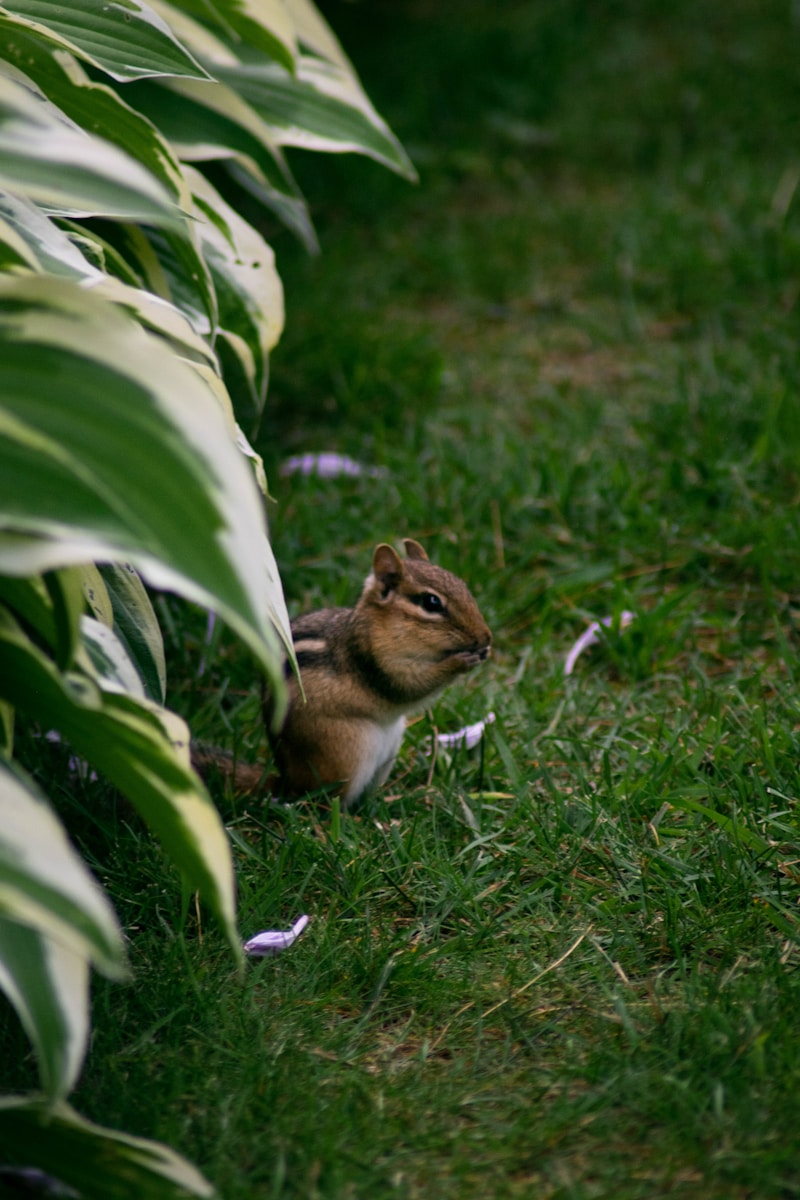
Chipmunks can be fun to watch. They can also dig up bulbs, eat seed, and pull at young plants. The best fix is not a harsh one. It is to remove easy food and block the spots they use most.
Start with the cause. Look for spilled bird seed, open soil, brush piles, and gaps near sheds or walls. Then make small changes that protect the garden without turning the yard into a trap.
Why Chipmunks Choose Gardens
Chipmunks look for food and cover. Bulbs, seeds, berries, pet food, and bird seed can draw them in. Rock piles, low shrubs, and wood stacks give them places to hide.
Penn State Extension notes that chipmunks may eat flower bulbs, seeds, seedlings, bird seed, and pet food. It also recommends habitat changes and exclusion before relying on trapping.
Move bird feeders away from garden beds if seed keeps falling into the soil. Sweep up spills. Store seed and pet food in tight bins. Raise firewood off the ground and clear loose brush near beds.
These steps do not remove every chipmunk. They do make the garden less useful to them. That can cut damage before you buy anything.
Use Hardware Cloth Around Bulbs and Beds
A barrier is often the best long-term tool. Quarter-inch hardware cloth can protect bulbs, seed beds, and openings around structures. It lets water through but makes digging much harder.
For bulbs, lay the mesh over the planted area and cover it with soil. For small raised beds, use it where chipmunks enter from below or along open sides. You can compare quarter-inch hardware cloth on Amazon if you need material.
This same idea works for other garden visitors. Our guide on keeping deer out of the garden explains why a good barrier often works better than a short-lived scare tactic.
Cut Down on Hiding Places
Chipmunks like fast cover. A low branch, dense ground cover, or a stack of boards can help them move without being seen.
Trim plants that make a solid tunnel from woods to the house. Keep grass short near sheds and walls. Move piles of stone, lumber, or pots away from garden beds when you can.
You can compare these ideas with this Alabama Grown guide to chipmunk control. The main goal is simple. Reduce food and shelter before adding more tools.
Be Careful With Repellents
Repellents can help, but results vary. Rain and watering wash many products away. A scent that works for a few days may stop working later.
Use a product that is labeled for the plant and place where you plan to use it. Avoid strong homemade mixes on leaves. Soap, oils, and hot pepper can burn some plants if the mix is too strong.
Motion sprinklers can also make a bed less comfortable without hurting the animal. If that fits your yard, you can compare motion-activated sprinklers on Amazon.
Protect New Plants First
Fresh seed and new bulbs are easy targets. Give those areas the most protection. Firm the soil after planting. Add mesh where damage has happened before.
Raised beds also make it easier to see fresh digging and close gaps. The same careful checks help in vegetable beds. Our summer vegetable garden guide covers regular checks for plant stress and pest damage.
When Trapping Is a Last Resort
Trapping may be useful when one animal keeps causing serious damage. Rules can differ by state and town. Check local wildlife rules before you trap or move any animal.
If live trapping is legal where you live, check the trap often and keep it out of hot sun. Do not assume you can release an animal anywhere you want. Local rules may limit relocation.
Trapping alone does not fix the cause. If food and shelter stay in place, another chipmunk may move in.
Keep Wildlife in Balance
Chipmunks are part of the yard. They move seeds and feed larger wildlife. You do not need to remove them just because you see them.
Act when damage is clear. A few small changes may be enough. If ants are causing trouble too, our garden ant control guide uses the same low-impact idea: find the cause first, then target the problem.
A Simple Chipmunk Plan
- Clean up spilled seed and food.
- Move wood and brush away from beds.
- Protect bulbs with quarter-inch hardware cloth.
- Seal gaps near sheds and walls.
- Use labeled repellents with care.
- Check local rules before trapping.
A good garden does not have to be free of chipmunks. It only needs enough protection to keep bulbs, seeds, and young plants safe.