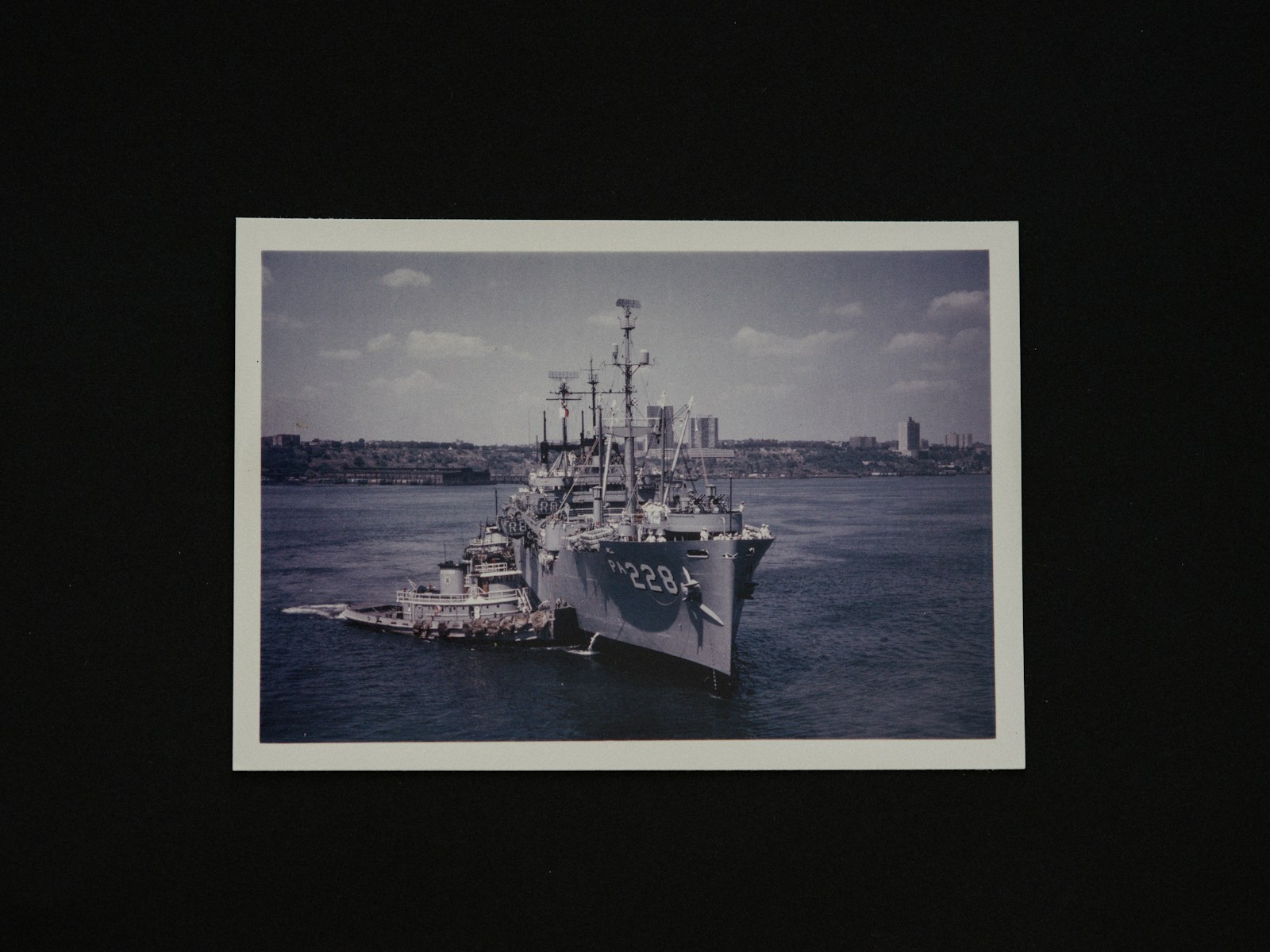
McHale’s Navy starts with a simple comic problem. PT-73 gets results, but its crew does not act like a neat Navy unit. Lieutenant Commander Quinton McHale, played by Ernest Borgnine, leads them with a mix of skill, charm, and rule-bending.
The first episode, “An Ensign for McHale,” brings Ensign Charles Parker into that loose world. Tim Conway plays Parker as eager, nervous, and very serious about doing things the right way. That makes him a perfect match for a crew that rarely does anything the easy way.
The comedy comes from that clash. Parker wants order. McHale knows his men need room to work. Captain Binghamton wants discipline. Each character pulls in a different direction, and the show gets laughs from watching those goals collide.
The Television Academy lists McHale’s Navy among its Emmy-nominated comedy programs and notes nominations for both Borgnine and Conway. Its McHale’s Navy awards page is a useful record of how quickly the series gained attention.
Conway’s nervous timing is especially important. If you enjoy seeing how a simple character idea can carry a comedy scene, our look at Key & Peele’s “Substitute Teacher” shows the same basic lesson in a very different style: give the audience a clear character and let the pressure build.
Older TV comedy also survives because people still seek out familiar performers, simple setups, and episodes they can watch on their own. This Tuars article on niche entertainment audiences looks at why focused media can keep a loyal following long after its first release.
The Crew of PT-73
McHale’s crew is not funny because they are bad sailors. They are funny because they are capable men who dislike needless formality. They know their boat. They trust one another. They simply do not fit Captain Binghamton’s idea of a proper unit.
That makes Binghamton a useful comic opponent. Joe Flynn plays him as a man who wants rules followed because rules are the one thing he thinks he can control. PT-73 keeps proving otherwise.
Why Charles Parker Matters
Parker enters as an outsider. He is polite, careful, and easy to rattle. The crew does not know what to make of him. McHale does not ask for him. That gives the pilot an easy story to follow.
As the episode moves along, Parker’s good intentions become clear. He may be awkward, but he wants to help. McHale starts to see that Parker can belong with the crew even if he never becomes as relaxed as the men around him.
A Clear Comedy Formula
The pilot sets up the show’s basic engine very quickly. Binghamton wants order. McHale protects his crew. Parker tries to do the right thing. The sailors find creative ways around whatever problem lands in front of them.
That kind of simple structure is why many comedy ideas age well. Our article on why “The Expert” comedy sketch feels true looks at another example where clear roles make the joke easy to understand.
The Value of a Strong Ensemble
No single character has to carry every joke. Borgnine gives the show warmth. Conway brings nervous energy. Flynn supplies frustration. The crew fills in the rest with reactions, schemes, and quick exchanges.
That balance is also why ensemble comedy can feel easy even when the timing is carefully built. For another look at how timing and character roles work together, see our breakdown of Gabriel Iglesias and audience connection.
For Fans of Classic TV
If you want more of the series, you can compare McHale’s Navy complete-series DVD sets on Amazon. Fans of Tim Conway can also browse Tim Conway comedy collections on Amazon.
Why the Pilot Still Works
“An Ensign for McHale” does the main job of a pilot well. It tells us who the people are. It shows us what each one wants. It gives them a problem that can return in many forms.
The episode is light, clear, and easy to follow. More than sixty years later, the basic joke still lands: a strict system meets a crew that works better when it bends.