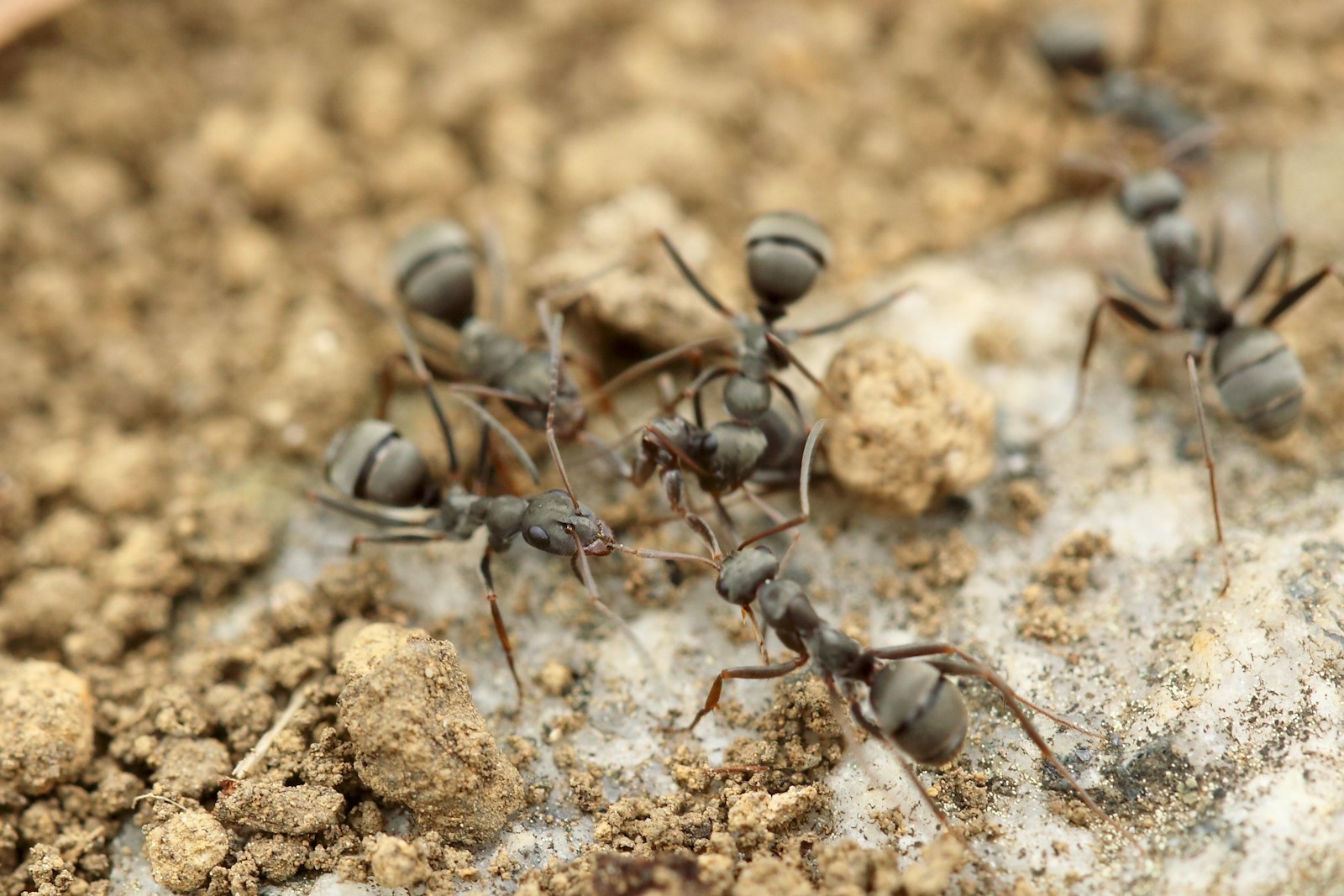
Ants are common in gardens. Most do little harm. Some even help break down old plant matter and move soil.
Problems start when ants protect aphids, build nests around roots, or make busy trails through beds. The best plan is simple. Find the cause first. Then use the least harmful fix that works.
Why Ants Move Into Garden Beds
Ants look for food, water, and shelter. Fallen fruit, pet food, and sweet plant sap can draw them in. Aphids are another big clue because ants often feed on the honeydew they make.
The University of Maryland Extension notes that ants often tend aphids and protect them from predators. That means a heavy ant trail on a plant may point to an aphid problem above it.
Start by checking stems and the backs of leaves. Look for small soft insects, sticky leaves, or black sooty mold. If aphids are present, a firm spray of water may knock many of them off.
It also helps to remove fallen fruit and spilled seed. Keep food scraps out of garden beds. These small jobs make the area less useful to a colony.
Remove What Attracts Them
Clean beds are easier to watch. Pick ripe fruit. Remove damaged produce. Sweep up seed under feeders. Keep bags of bird seed and pet food sealed.
If aphids are the main food source, work on them first. Our January vegetable garden guide also covers the value of regular plant checks before small problems grow.
You can also compare these steps with this Alabama Grown guide to garden ants. The key idea is the same. Remove food and reduce the places where ants can settle.
Use Barriers With Care
A physical barrier can help in some spots. Keep branches from touching walls or nearby plants. Move pots so ants have fewer hidden routes.
For ants moving up a woody plant, a sticky barrier can help. Put it on a tree wrap or other safe band rather than straight on tender bark. You can find sticky tree barrier supplies on Amazon.
Diatomaceous earth may kill insects that cross dry dust, but it is not selective. It can also harm helpful insects. Rain and watering reduce how well it works. Use it only where the label allows and where non-target insects are unlikely to cross.
When Bait Makes More Sense
Sprays often kill only the workers you can see. A bait can be more useful because workers carry it back toward the colony.
Use a labeled ant bait made for the place you plan to use it. Keep bait away from children and pets. Do not place it where rain or irrigation will wash it into soil or water. If you need supplies, compare outdoor ant baits on Amazon and follow the product label.
Avoid mixing strong homemade chemicals in open containers. A labeled product gives clear directions for dose, placement, and safety.
Protect Beneficial Insects
A garden is full of useful insects. Lady beetles, lacewings, and small wasps help control pests. Broad sprays can kill them too.
That is why pest control should start with a close look. The same habit helps through the warm season. Our summer vegetable garden guide explains how steady checks, water, and simple care prevent many problems from getting ahead of you.
Know When to Leave Ants Alone
You do not need to remove every ant. Leave a small colony alone if it is not hurting plants, protecting pests, or causing a safety problem.
Act when ants keep aphids on plants, make large mounds in working areas, sting people, or keep rebuilding around roots. Fire ants need extra care because they can sting in large numbers.
Check the Garden Through the Year
Walk the beds each week in warm weather. Look for new trails, fresh soil, aphids, and fallen fruit. After heavy rain, check again because colonies may move.
Seasonal care makes this easier. The year-round vegetable garden guide shows how small jobs spread across the year can keep a garden healthy without turning every visit into a chore.
A Simple Ant-Control Plan
- Find the food source.
- Check plants for aphids.
- Clean up fruit, seed, and spills.
- Block easy routes where you can.
- Use labeled bait if a colony needs control.
- Protect helpful insects.
- Leave harmless ants alone.
You do not need a war with ants. Make the garden less rewarding to them, deal with the real source of the problem, and use a targeted treatment only when it is needed.