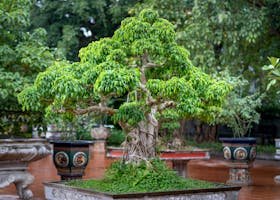
Pruning can look harder than it is. At its core, it means removing the right growth at the right time. Good pruning helps a plant stay healthy, keeps its shape under control, and can improve flowers or fruit.
The key is to work with the plant instead of fighting it. Before you cut, look at its natural form. Decide what needs to change. Then make the fewest cuts needed to reach that goal.
Most pruning jobs fall into a few simple groups. We remove dead or damaged wood. We thin crowded growth. We shorten stems that are too long. We also train young plants before bad structure becomes a bigger problem.
Good timing matters. The University of Minnesota Extension notes that the late dormant season is a good time for much tree and shrub pruning, while spring-flowering shrubs are usually best pruned after they bloom. The exact time still depends on the plant.
Seasonal garden work often overlaps. Our winter gardening guide covers the quiet-season jobs that pair well with dormant pruning, tool care, and early planning.
If you grow fruit at home, local climate also matters. This Alabama Grown apple-tree guide gives a useful example of how regional timing can shape pruning decisions.
Start With a Clear Goal
Do not start cutting just because a plant looks messy. First decide what you want. You may need to remove a broken limb, open a crowded center, reduce height, improve airflow, or guide a young tree.
A clear goal keeps you from taking off too much. Step back often while you work. It is much easier to make one more cut than to put a branch back.
Use Sharp, Clean Tools
You do not need many tools. A good pair of bypass pruners handles small stems. Loppers work for thicker branches. A pruning saw is better for wood that is too large for loppers.
If your old pair crushes stems instead of cutting them cleanly, a basic set of bypass pruning shears is a useful upgrade. For larger limbs, a folding pruning saw is easier and safer than forcing hand pruners through thick wood.
Keep blades clean and sharp. Dirty tools can move plant problems from one plant to another. Dull blades tear tissue and make rough cuts.
Learn the Main Types of Cuts
A thinning cut removes a branch where it joins another branch or stem. This opens the plant without forcing a lot of new shoots. It is useful when growth is crowded.
A heading cut shortens a stem. It often causes buds below the cut to grow. That can make a plant fuller, but too many heading cuts can also create dense growth.
Pinching is a soft version of pruning. You remove the tip of tender growth with your fingers or small snips. Herbs, annuals, and some young plants respond well to this.
Prune Young Trees Early
Young trees are easier to shape than old trees. Early pruning can remove weak forks, crossing branches, and poor angles before those problems become large limbs.
Keep the tree’s natural form in mind. Avoid stripping off too many lower branches at once. Young trees need leaves to build roots and trunk strength.
Large or dangerous tree work is different. Do not climb with a saw or work near power lines. Those jobs belong with trained professionals.
Shape Shrubs Without Turning Them Into Boxes
Many shrubs look best when their natural shape stays visible. Instead of shearing every surface flat, remove selected older stems and crowded growth from inside the plant.
Flowering time matters. Some shrubs bloom on older wood. If you prune them before they flower, you may cut off the buds you wanted to see.
For formal hedges, light shearing can make sense. Keep the base a little wider than the top so light can reach the lower leaves.
Prune Food Plants With Care
Fruit trees, berries, tomatoes, and herbs each respond in their own way. Avoid using one rule for every edible plant.
Indeterminate tomatoes can be thinned lightly to improve airflow and make large plants easier to manage. Determinate tomatoes usually need less pruning because they grow much of their crop on a fixed set of stems. Our tomato growing guide explains the difference.
Edible plants can also be part of a larger landscape. If you want food plants to look at home in an ornamental bed, see our guide to edible landscaping.
Do Not Remove Too Much at Once
Heavy pruning can shock a plant and trigger weak new growth. When an old shrub or tree is badly overgrown, it is often better to spread the work across more than one season.
Start with dead, broken, diseased, or rubbing branches. Then step back. If the plant still needs major reshaping, do the next stage later.
Watch for Common Mistakes
- Do not leave long dead stubs.
- Do not cut flush into the trunk of a tree.
- Do not top large trees to control height.
- Do not shear every shrub the same way.
- Do not prune near live utility lines.
- Do not assume every plant should be pruned in winter.
Keep a Simple Pruning Record
A short garden note can save a lot of guessing next year. Write down the plant, date, what you cut, and how it responded.
Photos help too. Over time, you will see which plants recover fast, which bloom after a trim, and which need a lighter hand.
Good Pruning Is Quiet Work
The best pruning often does not look dramatic. The plant simply looks healthier and more balanced. Light reaches the right places. Weak growth is gone. Strong branches have room to develop.
Start small. Use clean tools. Know why you are making each cut. That simple habit will do more for your plants than any long list of rules.