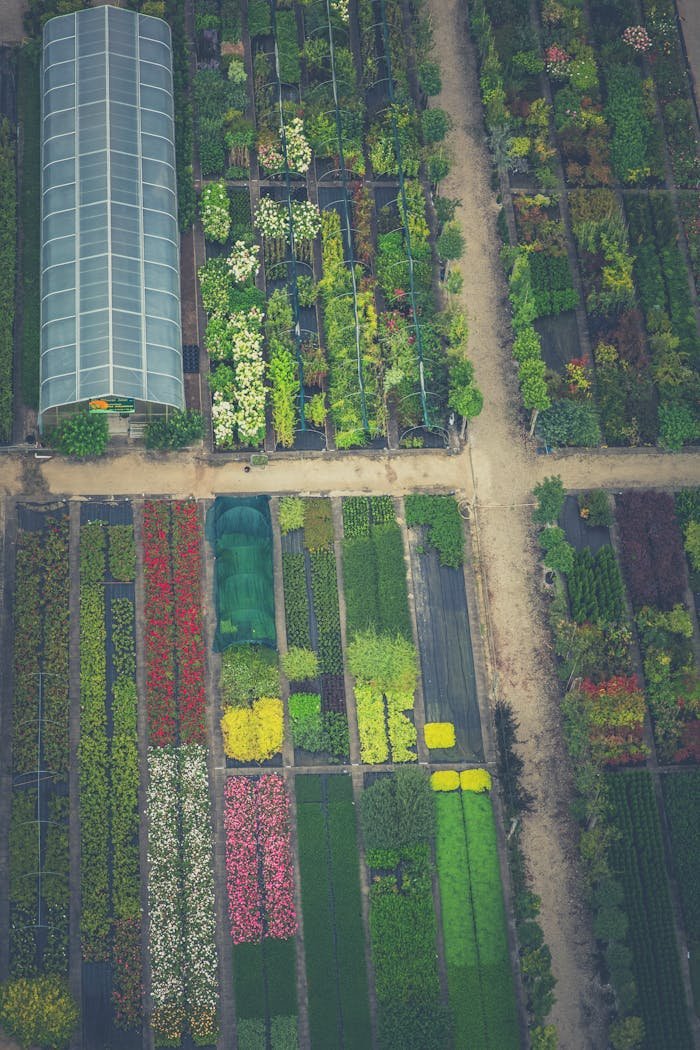
Sunset Market Gardens is a small farm in Reidsville, North Carolina. David and Nneka Williams built it around fresh food, careful soil work, and direct sales. Their story is useful because the farm feels real. It is not a giant operation with endless land and machines.
The farm shows what can happen when a small space gets close attention. Beds can hold many crops. Paths can stay neat. A farm stand can put growers face to face with the people who buy their food.
The original video also shows the beauty of the place. Rows are tidy. Plants fill the beds. The farm looks welcoming without losing its working purpose.
That balance matters. A market garden must grow good crops, but it also needs a system that people can manage day after day. Simple routines often matter more than flashy ideas.
Soil is a big part of that work. Water, roots, compost, crop choice, and timing all meet in the soil. Good soil care can make the rest of the garden easier.
There is also a business lesson here. A small farm needs more than a harvest. It needs customers, useful products, good timing, and a way to sell what is ready while it is fresh.
A Small Farm Can Still Grow a Lot
Market gardens often make careful use of each bed. The goal is not to crowd plants without thought. It is to plan space so crops have the light, water, air, and root room they need.
Raised beds can help organize that work. Our guide to high raised garden beds shows how bed height, fill, access, and cost can shape a garden plan.
Plant choice matters too. Fast crops can make room for the next crop. Taller plants may need support. Wide plants need more space. A good plan changes as the season moves.
Healthy Soil Is the Base
Healthy soil is not just dirt with fertilizer added. It is a living system. Roots, water, air, minerals, and tiny forms of life all work together.
The USDA Natural Resources Conservation Service guide to soil health on small farms recommends four broad ideas: disturb soil less, keep it covered, grow a mix of plants, and keep living roots in the ground as much as practical.
Those ideas fit a market garden well. Compost can add organic matter. Mulch can cover bare soil. Crop rotation can add variety. Cover crops can protect beds when cash crops are not growing.
Winter crops can help fill that gap. Our guide to planting winter wheat explains one simple way to use a cool-season cover crop.
Water With a Plan
Water is easiest to manage when beds are laid out with irrigation in mind. A steady system can save time. It can also keep leaves drier than careless overhead watering.
But no system should run by habit alone. Soil can be wet after rain. Young plants may need more help than deep-rooted crops. Heat and wind can change water use fast.
A simple soil check is still useful. Look below the surface before adding more water. The goal is moist root soil, not a fixed number of minutes on a timer.
Direct Sales Change the Farm
A farm store can shorten the path from bed to buyer. Produce can be picked near the time of sale. Growers can also hear what customers like and what they want next.
That direct contact can guide planting. If one crop sells fast, the farm can plan more of it. If another sits on the table, the grower can plant less next time.
The same idea works in a home garden. Grow what your household will use. A crop that no one eats is still wasted space, even if it grows well.
Good Tools Keep the Work Simple
Small farms still need tools, but they do not need every tool in a catalog. A sturdy garden harvest basket can carry produce from bed to wash area. A basic soil moisture meter can be a useful second check when learning how fast beds dry.
Hand pruners are useful for many crops and for the landscape around a farm. Our simple pruning guide covers clean cuts, timing, and basic tool care.
A Farm Can Be Useful and Beautiful
The video stands out because Sunset Market Gardens looks pleasant as well as productive. That is not just decoration. Clean paths make work easier. Clear beds make problems easier to spot. A neat sales area can make visitors feel welcome.
Flowers can also have a place near food crops and public areas. Gardeners looking for a bright border plant can see how Wave Purple petunia grows in sunny beds. The key is to choose plants that fit the site instead of adding them at random.
What Sunset Market Gardens Teaches
The best lesson is not that every gardener should copy one farm. Each site has different soil, weather, labor, customers, and goals.
The useful lesson is simpler. Pay close attention. Build good soil. Use space well. Keep the work manageable. Grow what people want. Then improve the system one season at a time.
That approach works on a market farm, in a raised bed, or in a small backyard garden. Good growing starts with steady care and a plan that fits the place.