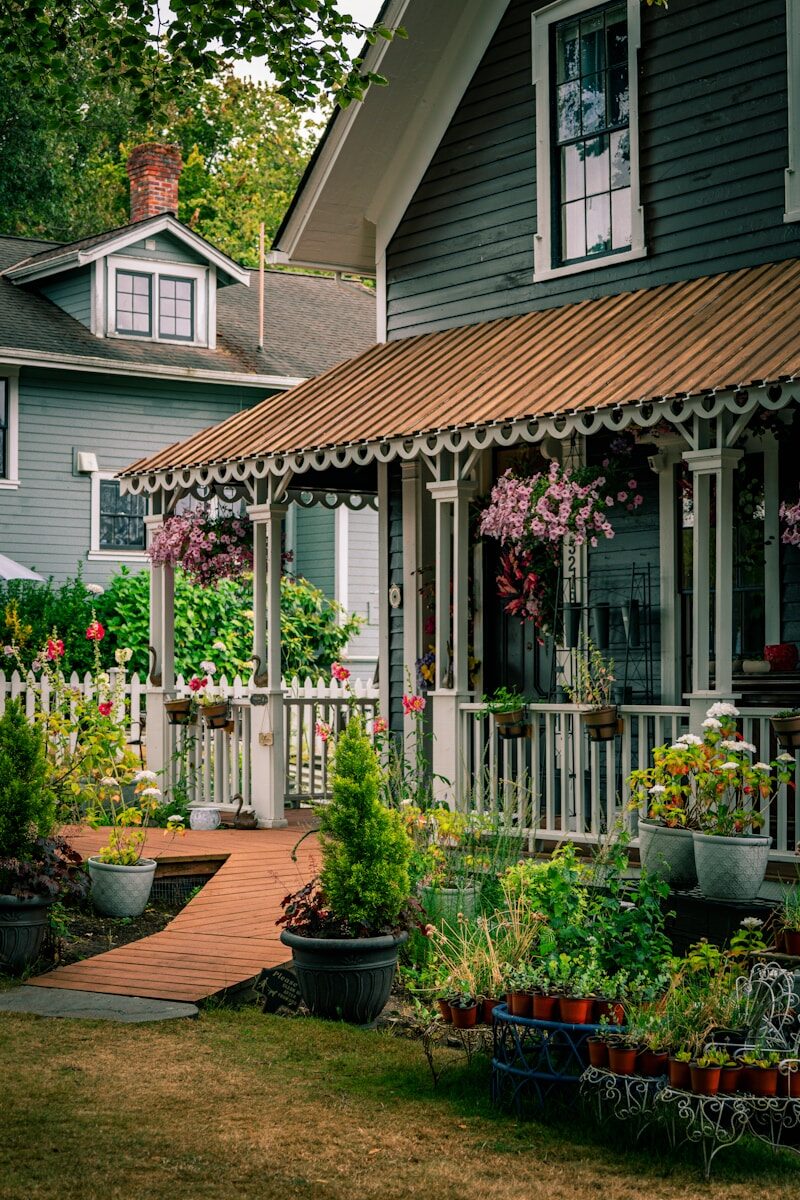
A garden home is usually a compact house built for easy living and less yard work. It may have a small private yard, patio, courtyard, or shared green space. The exact meaning can change from one real estate market to another.
That is the most important thing to know. “Garden home” is often a marketing term, not one strict legal form of ownership. Before you buy, check the deed, lot lines, HOA papers, and what parts of the property you will actually own and maintain.
What does “garden home” usually mean?
In many places, a garden home is much like a patio home or cluster home. The house sits on a smaller lot than a typical detached suburban home. Homes may be close together, and the neighborhood may be planned around low upkeep.
Some garden homes are detached. Others may share a wall. Some are one story, while others have two levels. The name alone does not tell you which setup you are getting.
The outdoor space is often small but useful. You might have a patio, a short side yard, a courtyard, or a narrow planting bed instead of a large lawn.
That can be a good fit for people who want plants and outdoor space without spending every weekend mowing. Small areas can still support flowers, herbs, and even raised beds. Our guide to high raised garden beds shows one way to make limited space easier to use.
Why the name can be confusing
“Garden home” can mean different things in different cities. One listing may use it for a detached home on a tiny lot. Another may use it for an attached home in a planned community.
That is why the legal papers matter more than the listing title. Look at how the property is owned, where the lot lines sit, and what the association controls.
Garden home vs. patio home
These two terms often overlap. Both can describe compact homes with small lots and easy outdoor care. In some markets, agents use the words almost the same way.
Do not assume the names guarantee a certain floor plan. Ask whether the home is attached or detached, who owns the land, and who takes care of the outside.
Garden home vs. townhouse
A townhouse is often built in a row and may have two or three floors. A garden home is often lower and may feel more like a small single-family house. Still, the designs can overlap.
If stairs matter to you, do not rely on the label. Check the actual floor plan. Many buyers like garden homes because one-story plans can be easier to live in over time.
Garden home vs. condo
A condo describes a form of ownership more than a building style. A condo can look like an apartment, townhouse, or even a detached home.
A garden home may be sold as fee-simple property, as a condo, or under another local form of ownership. Ask what you own and what the association owns before you sign anything.
What about zero-lot-line homes?
Some garden homes are built on or very close to one side of the property line. This is often called a zero-lot-line design. It lets builders fit useful homes on smaller lots.
The tradeoff is less space between neighbors. You may also have special rules for drainage, fences, windows, repairs, and access along the side of the house.
HOA rules can matter a lot
Many garden-home communities have a homeowners association. The HOA may care for common areas, set appearance rules, collect fees, and control some changes to the outside of your home.
Fannie Mae’s homeowner guide to HOAs says buyers should review the community’s rules and bylaws, including limits on landscaping and exterior changes. It also notes that HOA fees can be a separate part of your monthly housing cost.
Read those papers before you buy. Find out whether the HOA handles front-yard care, common landscaping, irrigation, roofs, exterior walls, roads, or other shared work. Do not assume a service is included just because the neighborhood looks maintained.
Small yards can still be good gardens
A small lot does not mean giving up on plants. Containers, raised beds, hanging baskets, narrow borders, and compact shrubs can give a small outdoor space plenty of life.
For example, Sundial Mix portulaca from Alabama Grown is described as a compact, spreading plant suited to pots, baskets, beds, and landscaping. Plants with that kind of habit can work well where every square foot counts.
If you want a simple project, our DIY easy herb garden is another small-space idea that does not need a large yard.
A basic small-space gardening book can also help you plan containers, herbs, and compact beds around a patio or courtyard.
Pros of a garden home
- Less lawn and outdoor upkeep
- A smaller home and lot can be easier to manage
- Some communities include shared landscaping
- Patios and courtyards can still provide useful outdoor space
- One-story plans may work well for people who want fewer stairs
Cons to check before buying
- Homes may sit very close together
- Outdoor privacy may be limited
- HOA fees can add to monthly costs
- Rules may limit fences, plants, paint colors, or exterior changes
- Parking and guest spaces may be tighter
A simple buyer checklist
Before making an offer, ask whether the home is attached or detached. Confirm the lot lines. Find out whether you own the land under the home. Read the HOA budget, rules, fees, and maintenance duties.
Ask who fixes the roof, outside walls, fences, drainage, irrigation, and shared areas. If gardening matters to you, check what you may plant and where.
You can also think about the amount of outdoor work you truly want. Our fall garden cleanup guide gives a good picture of the seasonal work that even a small planted space may need.
Bottom line
A garden home is usually a compact, lower-maintenance home with a small lot or planned green space. But the name alone does not tell you the legal ownership, HOA duties, or exact design.
Use the listing as a starting point. Then read the deed, survey, HOA papers, and maintenance rules. That is how you find out whether the easy-living promise really fits your life.