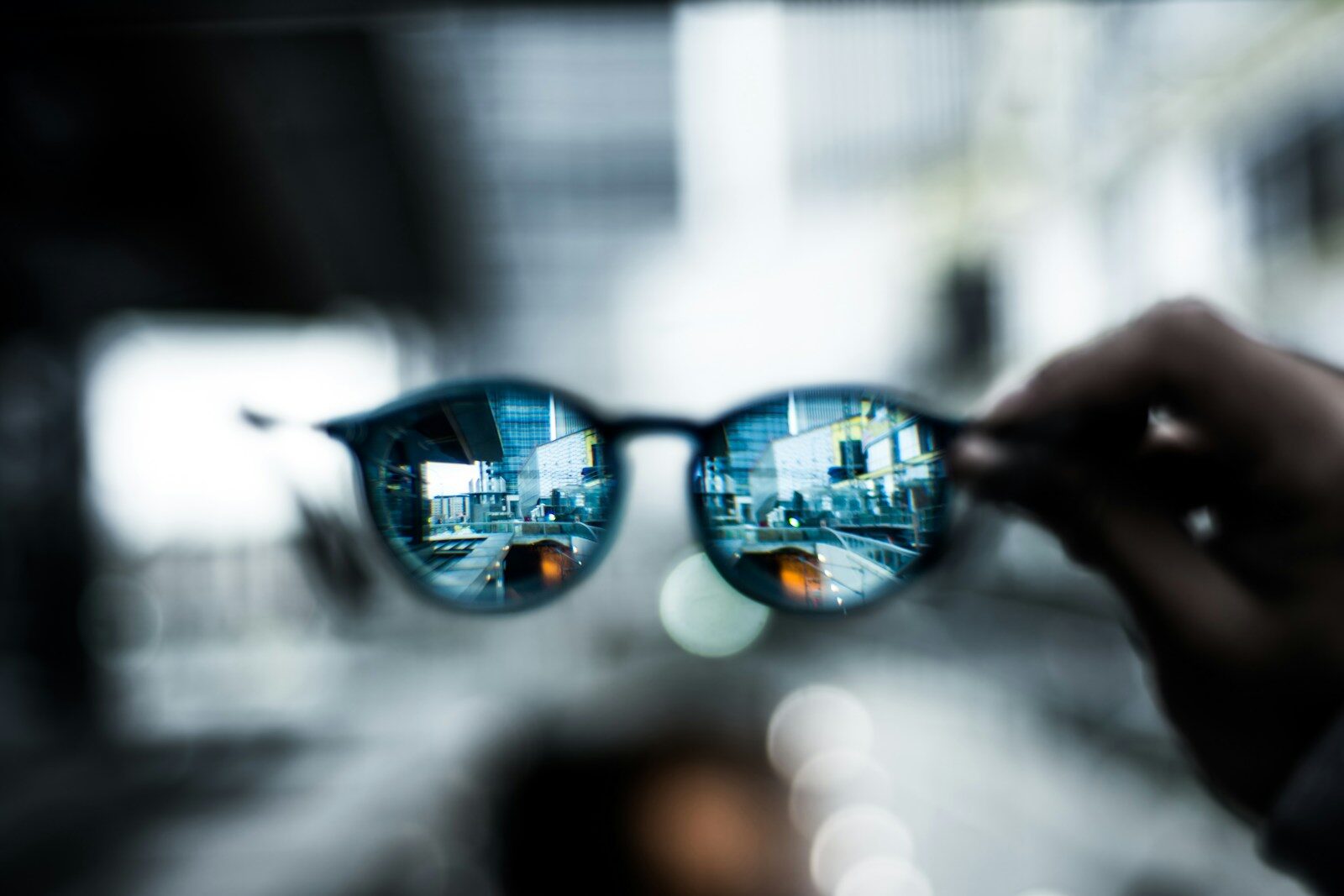
Smart glasses are moving first-person video from an obvious camera on a mount to something that can look like ordinary eyewear. For creators, that means less friction between seeing a moment and recording it.
It also means the camera can be easier for everyone else to miss. That changes the creative opportunity and the privacy responsibility at the same time.
Why Smart-Glasses Footage Feels Different
The point of view sits close to the wearer’s eyes. Hands stay free. The camera naturally follows attention. For walkthroughs, travel, demonstrations, field work, repairs, sports, and behind-the-scenes clips, that can make footage feel immediate.
The tradeoff is control. Head movement is not the same as deliberate camera movement. A creator can end up with fast pans, tilted horizons, blocked views, and long stretches where the viewer cannot tell what matters.
Privacy Is Now Part of the Shot List
The UK Information Commissioner’s Office has highlighted the public-trust questions raised by AI-enabled smart glasses, including concerns about people being recorded without knowing it. That is not an abstract issue for creators. It affects where we film, who appears, and how we explain what the device is doing.
A visible recording indicator is useful, but it does not replace judgment. In private homes, workplaces, schools, medical settings, changing rooms, sensitive meetings, or any place where people reasonably expect privacy, the safest creative choice may be not to record at all.
POV Footage Works Best When It Has a Job
Good first-person footage answers a question the normal camera cannot answer as well. What does the repair look like from the technician’s view? What does the trail look like while both hands are on the bars? What does a gardener actually see while pruning?
That approach is similar to the strength of GoPro’s first-person fire-rescue footage. The camera position matters because it puts us inside the action, not because first-person video is automatically interesting.
Stabilise the Story, Not Just the Image
Creators should build POV footage around short usable sequences. Record the approach. Hold the view on the task. Let the action finish. Then stop. Short deliberate clips are easier to edit than an hour of head movement.
When audio matters, a small wireless microphone can produce clearer speech than the device alone. A USB-C power bank is also useful on long field days. Neither should encourage continuous recording where it does not belong.
Watch How the Privacy Controls Are Explained
Meta and Ray-Ban have published a walkthrough of privacy settings, the capture light, and device controls. It is worth watching because the controls are part of how a creator should plan real-world use.
The Creator Needs a Clear Consent Habit
For planned shoots, tell people when the glasses are recording. For interviews or identifiable subjects, get the same permissions you would get with a handheld camera. For public spaces, remember that legal permission and good editorial judgment are not always the same thing.
The ICO’s September 2026 discussion of smart glasses makes the larger point well: useful technology and public trust have to develop together. Creators are part of that relationship every time a device makes recording less visible.
Where Smart Glasses Fit in a Real Kit
Smart glasses are best treated as a specialist angle. Use them for moments where eye-level, hands-free footage adds information. Keep a normal camera or phone for establishing shots, clean composition, interviews, and scenes that need deliberate framing.
If you are also thinking about the wider privacy risks around connected tools, CatchWMW regularly covers practical digital-safety issues. The underlying rule is the same: convenience is useful when the person using it still understands what data is being captured and shared.
A Better First-Person Video
The most useful smart-glasses footage will not be the footage that records the most. It will be the footage that shows exactly what the viewer needs, respects the people in frame, and stops when the moment is over.