Some videos are easy to forget. Others stay with us because one small moment feels real. Fireman Saves Kitten is one of those videos. A firefighter finds a kitten after a house fire and works to bring it back. The camera is close. The scene is rough. The goal is clear.
That simple setup gives the video its power. We know what matters right away. There is no long build. There is no need for a big speech. We watch one person try to save one small life.
What Happens in the Video
The firefighter moves through the remains of a fire. He finds a kitten that is not moving. He carries it outside. Then he starts to help it breathe.
The body camera keeps us close to the work. We see gloves, smoke, tools, and careful hands. The view is not smooth. That helps the scene feel honest.
Small changes become important. A breath matters. A tiny move matters. We start to watch for each sign that the kitten may survive.
The video does not need many words. The action tells the story. We understand the problem. We understand the goal. That makes the rescue easy to follow.
Why the First-Person View Works
A body camera can make a viewer feel close to the event. We do not stand far away and watch from a safe angle. We move with the firefighter. We see what he sees.
That point of view is one reason the video feels so direct. It is also a good lesson for creators. The best camera angle is not always the prettiest one. Sometimes the best view is the one that puts us inside the work.
We see another kind of direct visual storytelling in our look at Danny MacAskill’s Imaginate. That film is much more planned, but both videos use point of view and action to hold our attention.
A Clear Goal Makes the Story Strong
The viewer never has to ask what the video is about. The goal is simple. Save the kitten. That clear goal gives every second meaning.
This is one reason short videos can feel so strong. A clear goal gives us a reason to stay. We want to know what happens. We want to see if the effort works.
The same rule helps history films too. Our article on The Fallen of World War II shows how one clear visual question can guide viewers through a much larger subject.
Why Restraint Matters
This rescue does not need loud music or a long speech. The stakes are already clear. Too much added drama could make the moment feel less real.
That is a useful lesson for anyone who edits video. When the scene already has emotion, do less. Let the action breathe. Give the viewer time to notice.
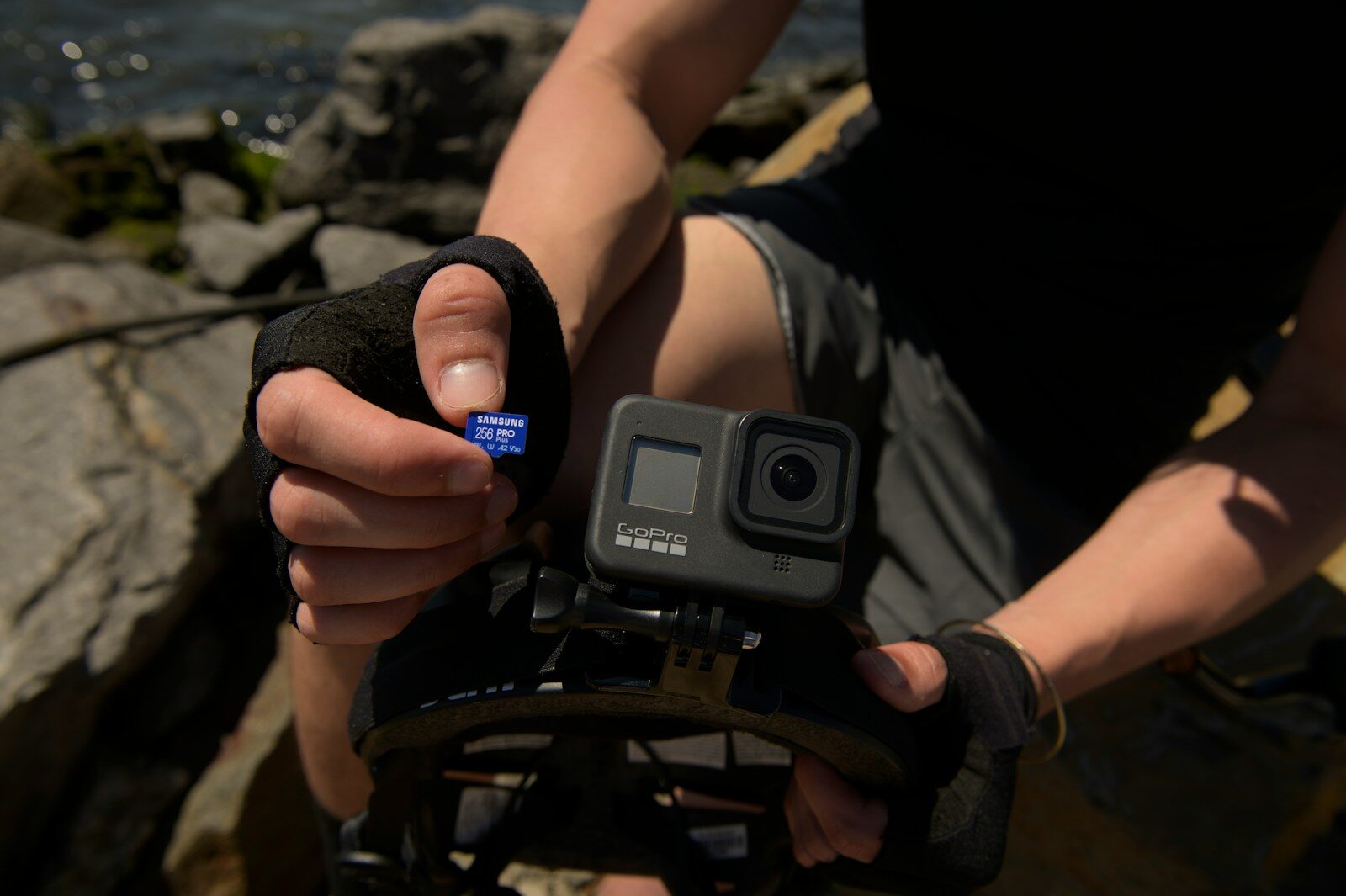
A simple action camera chest mount on Amazon can help creators capture hands-free point-of-view footage. But the gear only helps if the story is worth watching. The camera should serve the moment, not become the moment.
The Rescue Comes Before the Brand
The clip was also useful to GoPro as a brand. That matters. Strong emotional footage can also be strong marketing. We should be able to see both things at once.
The rescue still works because the product is not the main thing we care about. We care about the kitten. We care about the firefighter. The camera stays in the background.
That same balance matters in any branded story. A useful example is this Tuars article on strong visual storytelling. The best work gives us a real reason to care before it asks us to notice the brand around it.
Real Fire Scenes Need Real Care
Videos like this can make rescue work look simple. It is not. Fire scenes are dangerous. Smoke, heat, weak floors, and hidden fire can hurt people fast.
The U.S. Fire Administration’s pet fire safety guidance is a better place for practical advice. It explains ways to lower fire risk and help first responders know pets may be inside.
Why Small Signs Feel So Big
The video works because the signs of progress are tiny. The kitten does not leap up at once. We watch for breath and motion. That makes us pay close attention.
Good stories often use small signs like this. A tiny change can carry a lot of weight when we know what it means. The viewer does not need a narrator to say, “This matters.” We can see that it does.
We see that same idea in The Expert comedy sketch. The subject is very different, but small reactions and simple actions tell us what the characters feel before anyone explains it.
What Creators Can Learn
Start with a clear human goal. Stay close to the action. Do not explain what the viewer can already see. Use sound and cuts with care. Let small changes carry meaning.
Most of all, know what the viewer should care about. In this video, it is not the camera. It is not the smoke. It is not even the firefighter’s gear. It is one small life and the effort to save it.
Why the Moment Still Works
Video styles change fast. Cameras get better. Editing gets faster. Yet a clear human moment does not age in the same way.
Fireman Saves Kitten still works because we know what is at stake from the start. We stay close to the effort. We see the small signs. Then the video lets the rescue speak for itself.