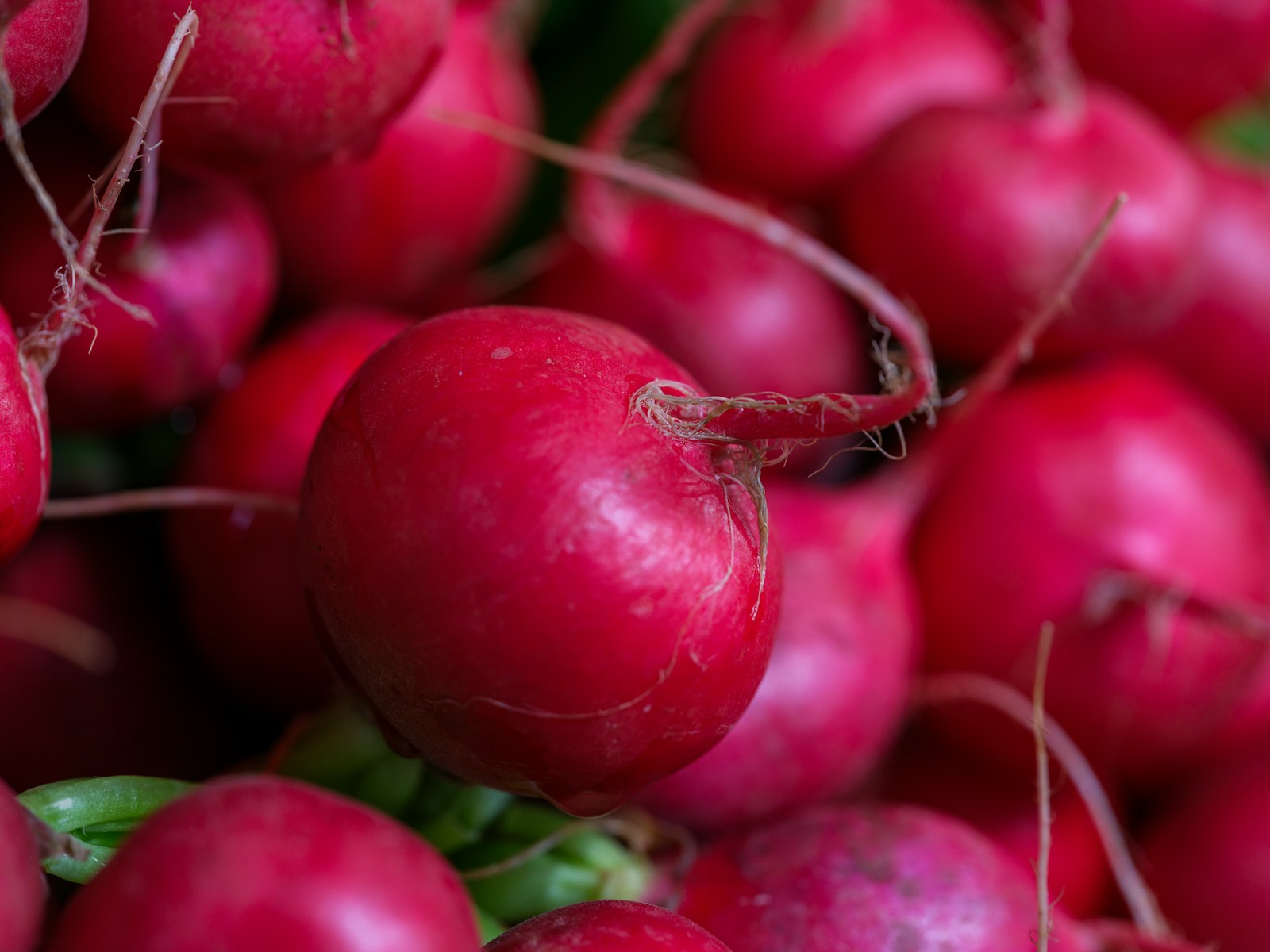
If we want a quick win in the garden, we plant radishes.
They pop up fast. They grow fast. And they give us crunchy, spicy bites when other crops are still “thinking about it.”
But radishes are not just a speed crop. They are also a smart crop.
They can help us learn timing, watering, and harvest skills in a small space. They can fill empty spots between slower plants. And yes, they can even help with pests when we use them the right way.
Let’s walk through every stage of growing radishes. Alaska Becomes the 49th State (January 3, 1959): When the Map Got Bigger. We’ll keep it simple. We’ll cover the main types. And we’ll finish with a clear plan for using radishes as a pest helper, not a pest problem.
Why radishes feel like a garden superpower
Radishes do three big things for us:
- They mature fast. Many spring radishes are ready in about 3–5 weeks.
- They like cool weather. That means we can grow them early and again later.
- They are nutrient dense. They bring fiber, vitamin C, and crunch with very few calories.
Most of all, radishes build confidence.
When we sow tiny seeds and see them sprout in just a few days, it changes how we feel about gardening. We stop waiting. We start doing.
The three main radish “families” you should know
Radishes come in many shapes and moods. But they fit into three easy groups.
1) Spring radishes (the quick, small ones)
These are the classic round or short radishes.
They grow fast and taste bright and peppery.
Common examples:
- Red globe types
- French-style oblong types
- Color mixes (white, purple, pink)
These are your “fastest crop” radishes.
2) Summer or “heat-tolerant” radishes (the steady ones)
These can handle a bit more warmth than spring types.
They still like cool-to-mild weather. But they are less fussy.
They often grow a bit larger and take longer.
3) Winter radishes and daikon (the big, bold ones)
These are the long roots and big rounds.
They take more time. They can be strong in flavor. And they store better.
Daikon also has a special skill: it can grow deep and help loosen soil.
Step 1: Pick the right time (this is the whole game)
Radishes are cool-season crops. That is the secret.
When radishes grow in heat, they often get:
- too spicy
- woody
- hollow
- or they bolt (they try to flower)
So we aim for cooler days.
Best seasons:
- Early spring (as soon as the soil can be worked)
- Late summer into fall (after the hottest part of the year)
A simple rule that works in many places:
Grow radishes when you enjoy wearing a light jacket.
Step 2: Choose your spot and set up the soil
Radishes can grow in small beds, big beds, raised beds, and even containers.
They do best with:
- Sun to part sun
- Loose soil
- Steady moisture
The soil detail most people miss
Radish roots swell in the soil. If the soil is packed, full of rocks, or too dry, the root will struggle.
So we do one quick thing before planting:
Loosen the soil at least 6 inches deep (deeper for long radishes).
That one step helps roots form clean and smooth.
Fertility: keep it calm
Radishes do not need heavy feeding.
Too much nitrogen can give us huge leaves and small roots. 3 Tips For Having More Tulips Bloom in the Spring.
Instead, we aim for soil that is:
- rich in organic matter
- not overloaded with fresh manure
- not pushed hard with high-nitrogen fertilizer
Step 3: Plant the seeds the easy way
Radishes do not like being transplanted.
We direct sow them.
How deep to plant
Most radish seeds go about:
- 1/4 inch to 1/2 inch deep
If we plant too deep, they can struggle to pop up.
How to space
This depends on the type.
- Small spring radishes: closer spacing
- Big winter radishes/daikon: wider spacing
A safe approach is simple:
- sow a thin line of seed
- then thin later (we’ll cover that next)
The best “garden hack” for steady harvests
Plant radishes in small batches.
Instead of one big sowing, we sow every 10–14 days in cool seasons. That way, we do not get 40 radishes ready all at once.
Step 4: Water like you mean it (steady beats heavy)
Radishes need moisture to grow fast and tender.
When they grow slow, they often turn:
- hot
- bitter
- woody
But flooding them can cause splitting too.
So we aim for a simple rhythm:
- keep the top layer of soil lightly moist during germination
- then water enough to keep steady growth
Think “even and steady,” not “boom and bust.”
Step 5: Thin the seedlings (this is where good radishes are made)
Thinning feels harsh. But it is love.
When radish seedlings crowd, the roots stay small. Or they twist around each other.
So we thin them while they are still tiny.
A simple target:
- small radishes: about 1 inch apart
- larger types: 2–4 inches apart (or more for very large roots)
Here’s the trick that makes thinning easier:
Snip extras at soil level with scissors.
Pulling them can disturb the roots you want to keep.
And yes, those tiny thinnings are edible. They are spicy microgreens.
Step 6: Know when to harvest (don’t wait for “perfect”)
Radishes have a short “prime” window.
If we wait too long, many types get pithy. That means spongy inside.
So we harvest a bit young.
How to tell they are ready
- The top of the root often shows at the soil line.
- The size looks close to what the seed packet promised.
- The root feels firm, not soft.
If we’re unsure, we pull one and taste it. That one bite teaches more than any chart.
Timing ranges to expect
- Many spring radishes: about 3–5 weeks
- Larger types: longer
- Daikon: often several weeks more
Step 7: Store and use radishes (don’t waste the greens)
Radishes are two crops in one:
- the root
- the greens
How to store for better crunch
Cut the greens off soon after harvest. The leaves pull moisture from the root. Are Garden Snakes Poisonous?
Then store roots in the fridge. A sealed container helps keep them crisp.
Easy ways to use radishes (even if you “don’t love” them)
If raw radish feels too sharp, these methods help:
- Roast them. Heat makes them mellow and slightly sweet.
- Quick pickle them. Vinegar and salt turn sharp into snacky.
- Slice thin for salads and tacos. Crunch is the point.
- Sauté the greens. Treat them like spicy spinach.
Radishes are not only garnish. They are texture, bite, and balance.
The “masterclass” part: growing radishes in all their forms
Once we get the basics down, radishes become a tool we can use on purpose.
Container radishes
Pick a container at least 6 inches deep for small types.
Use loose potting mix. Keep it evenly moist. Harvest on time.
Containers dry out faster, so we stay alert with watering.
Bed-edge radishes
Radishes shine on the edge of garden beds.
They do not shade other plants much. And they are easy to grab.
This is also where pest strategy starts to matter. More on that soon.
Interplant radishes between slow crops
This is one of my favorite moves.
We can sow radishes between slower crops like:
- carrots
- beets
- onions
- cabbage family plants
The radishes come out fast. The slow crop then has space.
It’s like getting a bonus harvest from “empty time.”
Common radish problems (and the simple fixes)
“All leaves, no root”
This often comes from:
- too much heat
- too much shade
- too much nitrogen
- not thinning
Fix:
- plant in cooler weather
- give more sun
- thin early
- ease off high-nitrogen feeding
Woody or hollow roots
This often comes from:
- growing too slow
- waiting too long to harvest
Fix:
- water steadily
- harvest sooner
- plant in the right season
Cracking or splitting
This can happen with uneven watering or overmature roots.
Fix:
- steady moisture
- harvest on time
Using radishes for pest control (the smart way)
Now let’s talk about the fun claim: radishes as a pest deterrent.
Here’s the honest truth:
Radishes do not magically “repel all bugs.”
But radishes can help us manage pests as part of a system.
The key idea is this:
Radishes can act like a “trap crop”
A trap crop is a plant that pests like more than our main crop.
So the pests go there first.
Radishes can attract pests like flea beetles. That can protect nearby plants if we manage the trap.
Beginner’s Guide to Growing Herbs Indoors (Basil Mint Oregano and More). This is where many gardens go wrong. They plant a trap crop… and then let it become a pest factory.
So we use a simple rule:
If radishes are the trap, we must watch them and act fast.
The easiest trap-crop setup for home gardens
Where it helps most
Flea beetles love chewing tiny holes in leaves.
They often hit:
- brassicas (kale, broccoli, cabbage)
- peppers and eggplant
- other tender young plants
Radishes can draw flea beetles away from these crops.
How to plant radishes as a trap crop
- Plant a thin border of radishes near the crop you want to protect.
- Plant them early, so they are up and growing when pests arrive.
- Keep them watered so they grow fast.
What to do when pests show up
This is the part that matters.
If you see heavy flea beetle damage on the trap radishes, you have options:
- Pull the worst radishes and remove them.
Do not compost if pests are intense. Remove from the area. - Replant the trap strip.
Radishes regrow fast. That is the point. - Use a light cover on your main crop.
Row cover protects the crop while the trap does its job nearby.
The radish strip is not “set and forget.”
It’s “set and watch.”
Radishes as a soil and pest helper (the cover crop angle)
There is another radish strategy that is less about leaf pests and more about soil health.
Some radishes, like oilseed radish and daikon types, are used as cover crops.
They can:
- grow deep roots
- help break up compacted soil
- add organic matter when cut and returned
- support soil health practices like biofumigation when handled correctly
This is more common in farm systems, but home gardeners can borrow the idea in small ways.
A simple home version looks like this:
- grow daikon in an unused bed area in late season
- let it grow big
- chop and drop (or pull and compost) before it sets seed
- enjoy looser soil next season
It’s not magic. But it’s real garden leverage.
A simple radish plan we can all follow
Here’s a clean routine that works in most gardens.
The 4-week radish rhythm
- Week 1: Sow seeds, keep moist
- Week 2: Thin seedlings, keep growing fast
- Week 3: Watch roots swell, keep moisture steady
- Week 4: Start harvesting, replant a new short row
Repeat in cool seasons.
Add the pest helper strip (optional)
If flea beetles are a known issue:
- sow a thin radish strip near your vulnerable crop
- monitor it twice a week
- pull and re-sow if it becomes heavily damaged
This keeps the “trap” working instead of turning into a problem.
Crisp victories and calmer gardens
Radishes remind us what good gardening feels like.
Fast sprouts. Fast harvest. Real food in our hands.
And when we use them with care, they can help us protect slower crops too. Not with hype. With simple strategy.
We plant them at the right time. We thin them. We water them steady. We harvest them young.
Then we do it again.
That’s how radishes turn a garden from “someday” into “this week.”