Some dates look small on a calendar. Then you read the story behind them, and the whole map seems to change.
January 3, 1959 was one of those days. Alaska became the 49th state in the United States.
President Dwight D. Eisenhower signed the final proclamation that day. It ended a long fight for full statehood and gave Alaska an equal place in the Union.
The change was about more than a new star on the flag. It was about voting power, land, local control, and a stronger voice in the nation.
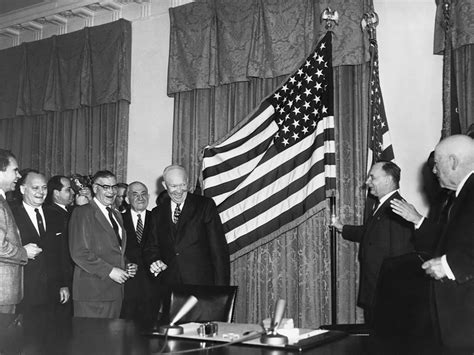
Alaska had been part of the United States for decades before statehood. Yet people there still lived in a territory. They did not have the same power in Congress as people in a state.
That gap helped drive the long statehood effort. Like other major turning points in January history, the final act came on one day after years of work.
Alaska Was American Land Before It Was a State
The United States bought Alaska from Russia in 1867. For a long time, many Americans saw the far north as remote and hard to understand.
But Alaska was never empty. Alaska Native peoples had lived there for thousands of years. Towns grew. Fishing, mining, trade, defense, and transport also tied the territory to the rest of the country.
Still, territorial status meant less political power. Alaska had a delegate in the U.S. House, but that delegate could not vote on final passage of bills.
The Long Push for Statehood
Statehood did not happen fast. Alaskans pushed for it for years. Leaders such as Ernest Gruening and E. L. “Bob” Bartlett became well known in that fight.
They argued that people in Alaska should have the same voice as people in other states. Local groups, newspapers, workers, and families also kept the issue alive.
The story has a common thread with other fights over political voice. Our article on Haiti’s 1804 independence looks at a very different event, but it also shows how strongly people can push to control their own future.
The Cold War Made Alaska More Important
By the 1950s, the Cold War shaped many U.S. choices. Alaska sat close to the Soviet Union across the Bering Strait.
That made national defense a major issue. Eisenhower supported statehood, but his administration also had concerns about security and the huge amount of federal land in Alaska.
The Eisenhower Presidential Library’s Alaska statehood records explain that both national security and federal land were key concerns before the final law passed.
The Alaska Statehood Act Opened the Door
Congress passed the Alaska Statehood Act in 1958. Eisenhower signed it on July 7 of that year.
The law set the rules for admission. It dealt with land, elections, courts, and the move from territory to state.
Alaska voters then approved the terms required by the law. That local vote helped clear the last major steps.
On January 3, 1959, Eisenhower signed Proclamation 3269. Alaska was now a state on equal footing with the other states.
The Flag Did Not Change That Same Day
Alaska became a state in January, but the 49-star U.S. flag did not become official at once.
New stars are added to the flag on the July 4 after a state joins the Union. So the 49-star flag became official on July 4, 1959.
The design did not last long. Hawaii became the 50th state later in 1959. The 50-star flag became official on July 4, 1960.
If you enjoy seeing old symbols in context, a 49-star American flag reproduction can make this short chapter of U.S. history easier to picture.
Statehood Changed Alaska’s Voice
Statehood gave Alaska two U.S. senators and a voting member of the House. It also gave the state much more control over its own affairs.
Land was a huge part of that change. The statehood deal allowed Alaska to select large areas of federal land. Those choices shaped roads, towns, resources, schools, and jobs.
The state’s story did not stop in 1959. People still build lives and businesses across Alaska today. A practical example is this guide to starting an LLC in Alaska, which shows how modern state rules now affect everyday decisions.
Why Alaska Statehood Still Matters
Alaska is vast. It has remote villages, large towns, military bases, fishing ports, forests, tundra, and long coastlines.
Its place in Congress matters in debates over defense, energy, fishing, public land, transport, and the Arctic.
For readers who want a deeper background, an Alaska history book can help connect statehood with Native history, the Russian period, the gold rush, war, and the oil era.
Statehood also fits a larger American pattern. Laws and proclamations can change daily life for millions of people. The Emancipation Proclamation was far different in purpose and effect, but it is another example of a document becoming a major turning point.
The Meaning of the 49th Star
January 3, 1959 was the end of a long statehood campaign. It was also the start of a new political life for Alaska.
The map grew. Congress changed. A new star was on the way.
Most of all, Alaska moved from territorial status to a full and equal place in the Union.