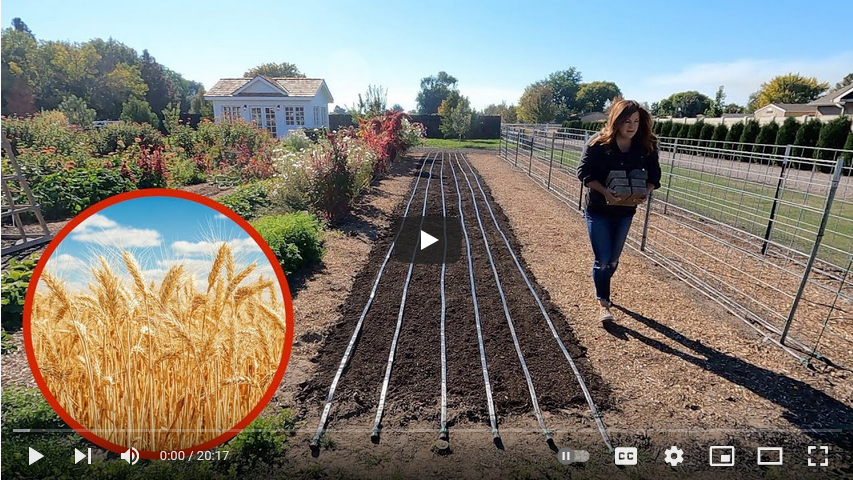
Winter wheat can turn an empty fall garden into a green bed. It is easy to start. It can protect soil through winter. It can also help us learn how a grain crop grows.
You can grow winter wheat for grain or use it as a cover crop. For a first try, a cover crop is often the easier goal. You plant it in fall, let it grow through the cool months, then cut it before the next garden crop goes in.
Why Plant Winter Wheat?
Winter wheat covers bare soil. Its roots help hold soil in place. The green top softens rain and wind. That can help reduce soil loss during fall and winter.
The crop can also take up nutrients already in the soil. Wheat does not fix nitrogen from the air like clover or peas do. It is better to think of wheat as a nutrient catcher.
Later, the plant material can add organic matter. You can cut it, compost it, or use it as part of your soil plan. Even the roots leave useful material behind.
Planting time is important. Winter wheat needs time to sprout and make roots before hard cold arrives. The best date changes with climate, so local advice matters.
Choose the Right Planting Time
Penn State Extension explains that winter wheat used as a cover crop is often planted after fall harvest and needs enough time to get started before winter. Its winter wheat cover crop guide also notes that planting depth and seed rate matter.
In many places, September and October are common planting months. Farther north, planting may start sooner. Farther south, it may happen later. Do not use one date for every garden.
Seasonal timing is also why it helps to plan ahead. Our guide to crops that thrive when started in February shows how one season can lead into the next.
Prepare a Simple Seedbed
You do not need a perfect bed. Remove large weeds and old crop waste. Rake the surface so the seed can touch soil. A firm bed is better than loose, fluffy ground.
If the garden is full of old stems and dead plants, start with the same basic cleanup used in our fall garden cleanup guide. Keep useful cover where it helps, but clear enough space for good seed contact.
Deep tilling is not required just to plant wheat. A light rake may be enough in a small garden. The goal is good contact between seed and soil.
Plant the Seed at the Right Depth
Winter wheat is often planted about three-quarters of an inch to an inch and a half deep. Very deep seed can be slow to emerge. Seed left on top can dry out or wash away.
If you spread seed by hand, rake it in lightly. Then press or firm the soil. That helps moisture reach the seed and can give you a more even stand.
The same basic rule applies to many crops. Our guide to seed germination explains why moisture, depth, and seed-to-soil contact matter so much.
If you need seed for a small patch, you can compare winter wheat seed on Amazon. Check the label so you know you are buying seed meant for planting, not grain sold only for food or feed.
Water Just Enough to Start
After planting, water if the soil is dry. Keep the top layer moist while the seed sprouts. Do not keep the ground soaked.
Once the wheat is growing well, fall rain may do most of the work. Watch the soil instead of watering by a fixed calendar.
Winter Wheat Does Not Make Its Own Nitrogen
This point is worth repeating. Wheat is not a legume. It does not pull nitrogen from the air and add it to the soil.
What it can do is catch some nitrogen already in the soil. That nutrient stays in the plant while it grows. When the plant breaks down later, some nutrients can cycle back into the garden.
Adding compost can also help build organic matter. This Alabama Grown composting guide explains the simple mix of moisture, air, and plant material needed to make useful compost.
What Happens During Winter?
The young wheat grows in fall. Then it slows as cold weather arrives. That does not mean the plants are dead.
Winter wheat is built to survive a cold season. When warmer days return, growth starts again. The plants can become thick and tall very fast in spring.
Decide What to Do in Spring
If wheat is a cover crop, cut it before it becomes a mature grain crop. You can mow it, cut it by hand, or manage it in another way that fits your garden.
Do not let it make ripe seed unless that is your goal. Mature wheat can become much harder to handle before spring vegetables go in.
If you want grain, let the crop mature. The heads will form in spring. The plants will later change from green to tan or gold. Then you can harvest, dry, thresh, and clean the grain.
A Small Patch Is Enough to Learn
You do not need a field to try winter wheat. A small garden bed can teach you a lot. You can watch the seed sprout, survive winter, and grow again in spring.
That is what makes winter wheat fun for a first crop. It is simple, useful, and easy to watch. A handful of seed can turn bare soil into a living green cover for months.