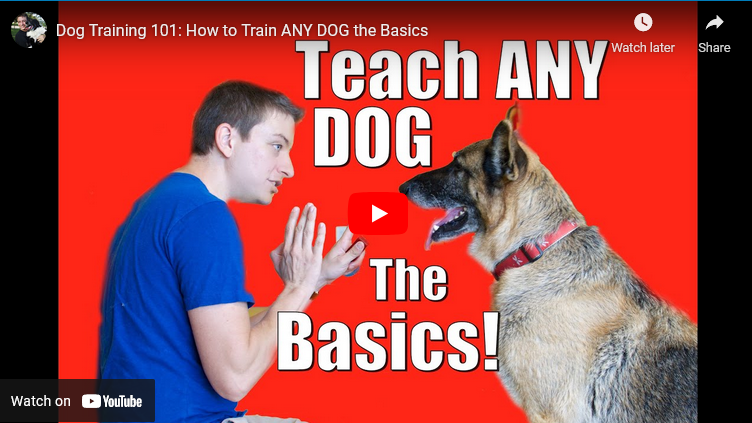
Good dog training is simple at its core. Show your dog what you want. Reward the right choice. Keep lessons short. Repeat often.
Training should help a dog feel safe and understand the rules of daily life. It is not about fear or force. The goal is a calm dog that knows what to do.
Dogs learn from what happens after a behavior. If sitting earns a treat, praise, or play, the dog is more likely to sit again.
Timing matters. Reward the behavior as soon as it happens. If the reward comes too late, the dog may not know what earned it.
Keep early lessons quiet and easy. A few good minutes can be more useful than one long session that leaves both of you tired.
Most of all, be consistent. Use the same cue words and the same house rules each day.
Use Rewards, Not Fear
The American Veterinary Society of Animal Behavior recommends reward-based training for dogs. That means teaching the behavior you want and rewarding it instead of using pain, fear, or harsh punishment.
Rewards do not have to be large. Tiny treats work well for many dogs. Praise, toys, and a short game can work too.
A training treat pouch makes rewards easy to reach. A simple dog training clicker can also help mark the exact moment your dog gets something right.
Teach the Name First
Start with your dog’s name. Say it once. When your dog looks at you, reward that look.
Do this in a quiet room at first. Then try the yard. Later, try it on a calm walk. The goal is to teach that hearing the name means, “Look at me.”
Teach Sit and Down
For sit, hold a treat near your dog’s nose and move it slowly up and back. Many dogs will lower their rear as the nose follows the treat. The moment the dog sits, reward.
For down, start from a sit and move the treat toward the floor. Reward as soon as the dog lies down.
Do not push the dog into place. Let the dog make the choice. That helps the lesson stay clear.
Build a Reliable Recall
Coming when called is one of the most useful skills a dog can learn. Start inside or in a fenced area.
Say your recall word in a happy voice. When your dog turns and comes toward you, praise and reward well. Make coming to you feel worth it.
Do not call your dog and then punish the dog for coming slowly. That can make the cue weaker. Reward the return and practice again later.
Make Leash Walks Easier
Reward your dog when the leash is loose. If the dog pulls hard, stop. Move again when the leash loosens.
A well-fitting front-clip dog harness can make walks easier for some dogs. Fit matters, so check the maker’s sizing guide.
If your walks include public trails, good manners matter for other people too. Noah’s Outdoors has a useful guide to responsible trail etiquette that fits well with calm, controlled dog walks.
Use Daily Life as Practice
Training does not need its own hour. Ask for a sit before meals. Ask for calm feet before opening the door. Reward quiet behavior when guests arrive.
If your dog spends time in the yard, calm recall and leash skills can make wildlife encounters easier to manage. Our guide on keeping deer out of the garden also shows why a well-managed yard matters when pets and wildlife share the same space.
House Training Needs a Routine
Take puppies and newly adopted dogs outside often. Good times include after waking, after eating, after play, and before bed.
Reward outdoor bathroom trips. If there is an accident inside, clean it well and adjust the schedule. Scolding after the fact does not teach where the dog should go.
Crates Should Feel Safe
A crate can be useful for rest, travel, and house training when it is introduced in a calm way. Feed treats or meals near the crate and build time slowly.
Do not use the crate as punishment. The dog should see it as a quiet place to rest.
Watch Body Language
A loose body, soft eyes, and easy movement often show comfort. A stiff body, tucked tail, pinned ears, or repeated attempts to move away can show stress.
Give the dog more space when needed. Training works better when the dog can think and is not overwhelmed.
Domestic dogs live closely with people, but it is still interesting to see how different wild canids live. Our Mana Pools National Park guide includes African wild dogs living in a very different setting.
Know When to Get Help
Basic skills are often easy to teach at home. Serious fear, aggression, or anxiety can be different. A veterinarian or qualified reward-based trainer can help build a safer plan.
Calm handling matters in stressful moments too. The animal rescue in GoPro’s Fireman Saves Kitten is a good reminder that animals often need steady people around them when they are scared.
Keep It Short and Clear
Dog training is built from small wins. Reward good choices. Keep cues clear. Practice often. Give your dog time to learn.
With patience and steady routines, everyday skills can become strong habits. That makes life easier for both the dog and the people who love it.