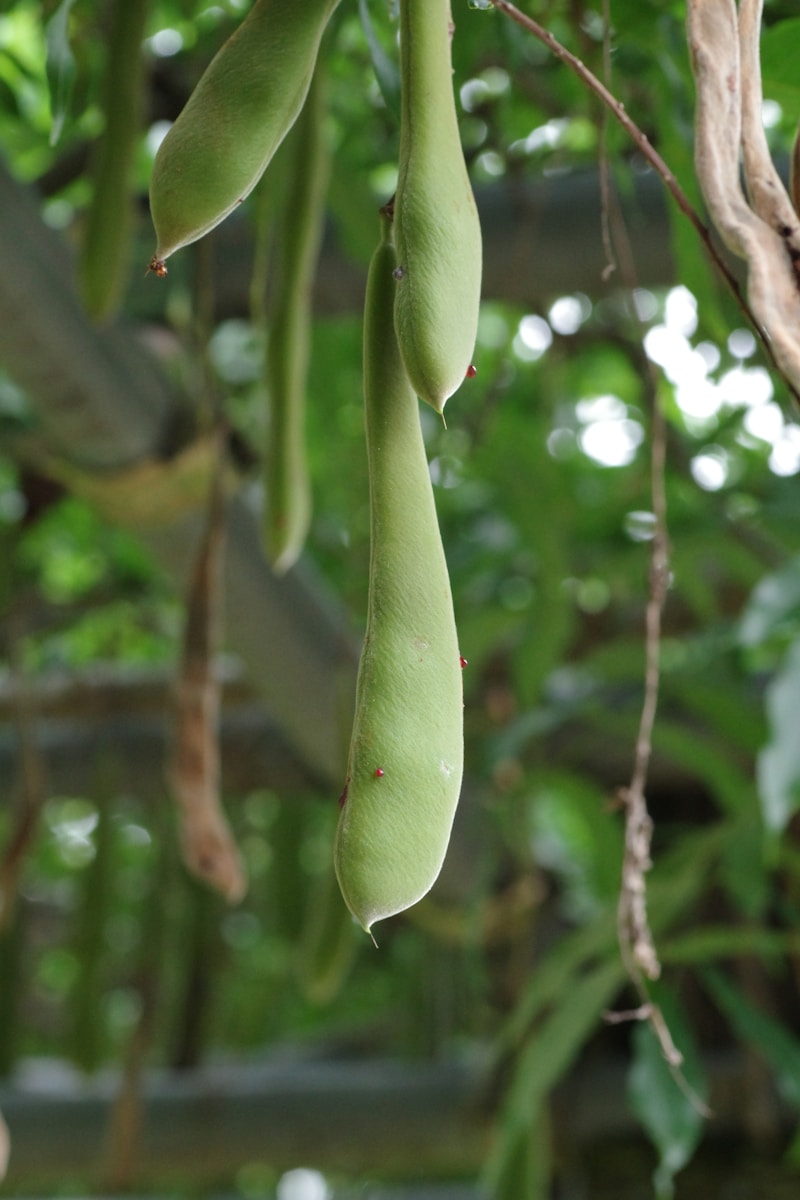
Fava beans (also called broad beans) are one of those crops that quietly do everything right. They’re tough, they’re delicious, they’re beautiful in flower, and they actually help your soil instead of exhausting it.
Let’s turn that video description into a clear, start-to-finish guide so you can plant in autumn and be picking tender beans in spring.
Why Grow Fava Beans?
Before we dive into the how-to, it helps to know why favas earn a spot in your beds.
- Cold-tolerant: Unlike many beans, favas like cool weather and shrug off light frosts.
- Early harvests: You can be picking pods while most of the garden is still rubbing its eyes after winter.
- Soil helpers: As legumes, favas partner with bacteria on their roots to fix nitrogen, enriching the soil for the next crop.
- Nutrient-dense food: Fava beans are high in plant protein, fiber, folate, iron, and other minerals, making them a seriously satisfying crop.
- Pollinator-friendly: The black-and-white flowers are bee magnets and smell surprisingly sweet.
In other words, they’re a win for you, for your soil, and for local wildlife Grow Shallots.
When And Where To Plant
Favas are cool-season crops. That shapes everything.
Best timing
- Mild winters: Sow in autumn, often from late fall into early winter. Plants establish, sit tight over winter, then surge in early spring.
- Colder regions: Sow in late winter or very early spring, as soon as the soil can be worked and hard freezes ease up.
The idea is to have strong, leafy plants already growing when spring arrives, so they can flower and set pods before summer heat.
Ideal spot
Give them:
- Full sun if possible (they’ll cope with light shade but crop better in good light).
- Well-drained soil – they dislike sitting in waterlogged ground.
- A bed that won’t need tall summer crops right after (since you’ll be harvesting into late spring).
If drainage is poor, Dyckia fosteriana Grape Jelly, raised beds or ridged rows help keep roots from staying soggy.
Soil Preparation
Favas aren’t fussy, but good prep pays off.
- Clear weeds and old crop debris from the bed.
- Loosen the soil with a fork or broadfork to improve aeration and drainage.
- Spread a layer of compost or well-rotted manure over the surface (about 1–2 inches).
- Lightly fork or rake it into the top few inches.
You don’t need heavy fertiliser. Too much nitrogen can give you lots of leaves with fewer pods. Compost plus the plant’s own nitrogen-fixing ability is usually enough.
How To Sow Fava Beans
You can sow fava beans directly where they’ll grow, Opuntia rufida minima monstrose Cinnamon Cactus, or start them in trays/modules for transplanting. Both work.
Direct sowing in the ground
This is the simplest method.
- Depth: Sow seeds about 1–2 inches (2.5–5 cm) deep.
- Spacing in the row: About 6–8 inches (15–20 cm) between seeds.
- Row spacing: Around 18–24 inches (45–60 cm) between rows.
If you want a solid block instead of neat rows, you can plant on a loose grid with similar spacing in all directions. After sowing, firm the soil and water well.
Starting in modules or trays
This is helpful if:
- You have very wet or heavy soil.
- You have pest problems with seeds underground (like mice or birds).
- You want a head start in late winter.
Steps:
- Fill deep modules or small pots with a good quality, free-draining mix.
- Sow one seed per cell, 1–2 inches deep.
- Water and keep in a cool, bright place (cold frame, unheated greenhouse, or bright windowsill).
- When roots fill the cells and seedlings are a few inches tall, harden them off and plant out at the spacings above.
Favas are stout plants, so give them a decent root run from the start.
Supporting Tall Varieties
Some fava varieties stay quite compact. Others can grow up to 3–4 feet tall, Opuntia microdasys Bunny Ears, especially in rich soil. Wind, rain, and the weight of pods can all make plants flop if they’re not supported.
Here’s how to keep them standing:
Simple string corral
- Place sturdy stakes at both ends of each row and, for long rows, one or two in the middle.
- Run garden twine or soft string around the outside of the row at about 12–18 inches high.
- As plants grow, add another loop of string higher up, gently tucking stems inside.
This forms a soft “fence” that stops plants from splaying out.
Double row with canes
If you plant in two close rows (about 8–10 inches apart), you can:
- Place canes on either side of the double row.
- Run horizontal twine between canes, creating a ladder for the stems to lean on.
The goal isn’t to tie each plant individually; it’s to give the whole block a supportive frame.
Watering Fava Beans
Favas are more forgiving than summer beans, but consistent moisture still matters.
- After sowing or planting, water well to settle them in.
- Through winter in mild climates, they often only need occasional watering, if at all.
- As spring warms and plants start to flower and set pods, keep the soil evenly moist, especially during dry spells.
Avoid waterlogging, which can encourage root problems. Acanthocereus tetragonus Variegated Fairy Castle Cactus Mulching with compost or straw once plants are established helps hold moisture and limit weeds.
Pinching Out The Tops
One of the neatest tricks with fava beans is pinching out their growing tips.
Why pinch?
- It helps control height, so plants don’t get too lanky.
- It can reduce black aphid (blackfly) infestations, which love the soft shoot tips.
- It encourages the plant to put more energy into filling pods rather than making more top growth.
When and how to do it
- Wait until the plants are in full flower and have set the first few clusters of pods.
- With your fingers or clean scissors, pinch out the top 2–3 inches of the main stem (the soft, leafy growing tip).
You can even cook those tender tops like a leafy green – they’re edible and tasty lightly sautéed or steamed.
Harvesting Fava Beans
Harvest time depends on how you want to eat them.
For fresh, tender beans in pods
When pods are:
- Bright green.
- Plump, but still soft when squeezed.
Pick them at this stage for the sweetest, most tender beans. The younger Stenocactus crispatus the seed inside, the milder and creamier the flavour.
To harvest:
- Hold the stem with one hand.
- Use the other hand to snap or twist the pod off to avoid tearing the plant.
Regular picking encourages more pods, especially on early varieties.
For mature shelling beans
If you want fuller, starchier beans for stews and mashes:
- Let pods swell more until seeds are large and firm.
- Pods may start to pale slightly as they mature.
Shell them like peas, cook, and enjoy.
For dry beans
To store as dried beans:
- Allow pods to stay on the plant until they turn brown and papery.
- If wet weather threatens, pull up whole plants and hang them under cover to finish drying.
- Once pods are fully dry, shell the beans and Begonia Froggy store them in airtight jars in a cool, dry place.
Dried favas are great for soups, dips, and long-keeping pantry protein.
Nutritional Benefits & Ways To Enjoy Fava Beans
Fava beans are little powerhouses.
They’re rich in:
- Plant protein – supporting muscle and satiety.
- Fiber – for digestion and blood sugar balance.
- Folate and B vitamins – important for energy and cell health.
- Iron, magnesium, potassium – essential minerals.
In the kitchen, you can enjoy them:
- Fresh and young – briefly boiled or steamed and tossed with butter, olive oil, lemon, and herbs.
- Mashed – into spreads and dips (think a spring twist on hummus).
- In soups and stews – fresh or dried, they add body and richness.
- With the tops – sautéed like spinach or chard, especially those tender pinched shoot tips.
Many gardeners love that one autumn sowing gives months of spring and early summer meals, long before tomatoes or summer beans are ready.
Simple Fava Bean Calendar
To make the whole process easy to visualise, here’s a rough pattern you can adapt to your climate:
- Autumn: Prepare soil, sow seeds (direct or in modules), water in, and protect from extreme conditions if needed.
- Winter: Let plants establish and sit quietly; weed lightly when the weather allows.
- Early spring: Plants surge into growth. Add support, keep soil moist, and feed lightly if growth looks weak.
- Mid spring: Plants flower. Watch for aphids. Pinch out tops once pods have set.
- Late spring / early summer: Harvest young pods for fresh eating, or let some pods mature for shelling or drying.
By following that cycle, you turn a Begonia Marmaduke quiet autumn job into a generous spring harvest – plus better soil for whatever you plant next.
Fava Beans: Quiet Workhorses Of The Cool Season
From a gardener’s point of view, favas are almost unfairly useful. They bridge the hungry gap between winter and summer, look beautiful, feed the soil, feed the pollinators, and then feed you with nutrient-dense beans in a dozen different dishes.
With a bit of planning in autumn, some simple support for taller varieties, steady watering in spring, and a quick pinch of the growing tips at the right time, you and your beds can enjoy everything this crop offers, season after season.