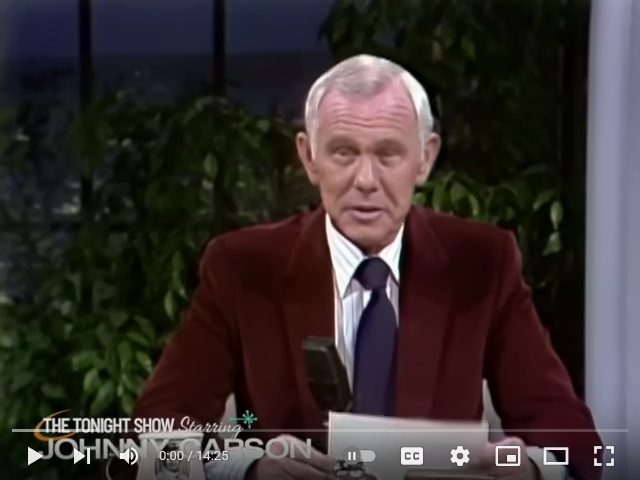
Bob Newhart could make a room laugh without raising his voice. He used pauses, a calm face, and a slow build. That style made even a small idea feel funny.
His visit with Johnny Carson is a good example. The setup is simple. Newhart talks, Carson listens, and the joke grows one beat at a time. There is no need for a loud punch line.
The clip is often called Bob Newhart’s German impression. What matters most is not the accent by itself. The fun comes from his timing. He lets the room wait. Then he adds one more detail.
That was a key part of Newhart’s act for decades. He often played the calm person in a strange situation. His face stayed serious while the idea became more absurd.
Johnny Carson was a good partner for that kind of comedy. Carson knew when to react and when to stay quiet. He did not rush the guest. That gave Newhart room to use silence as part of the joke.
The result feels easy, but the timing is exact. A pause that is too short can kill a joke. A pause that is too long can lose the room. Newhart had a rare feel for the space between the words.
Why Newhart’s Style Still Works
Newhart’s comedy was built on restraint. He did not have to chase the laugh. He trusted the idea and gave the audience time to catch up. That same control is easy to see in our look at Jeff Allen’s clean stand-up style.
Newhart also understood character. Even a short bit had a point of view. He sounded like a normal man trying to make sense of something odd. That is one reason his work feels close to the basic craft in our guide to starting stand-up comedy.
The PBS Pioneers of Television profile of Bob Newhart describes his comedy as deadpan and reaction-based. That fits this clip well. Much of the laugh comes from how calmly he treats the silly idea.
Carson Knew When to Get Out of the Way
A good host can make a comic look better. Carson gives Newhart space. He reacts, but he does not fight for the next laugh. The exchange feels like two funny people enjoying the same idea.
That lesson still matters for anyone who writes or performs comedy. A joke needs room. So does the person telling it. Our guide to becoming a comedy writer looks at the same need for clear setups, strong choices, and steady practice.
Live rooms also shape comedy. A performer can hear when an audience is with the bit and adjust the pace. That is why small venues still matter. The Plowright Theatre in Scunthorpe, for example, still hosts touring stand-up in a close live setting.
A Simple Lesson in Comic Timing
The clip is useful because the craft is easy to see. Newhart sets the idea. He waits. He adds a detail. He lets Carson react. Then he moves forward. Nothing feels rushed.
You can study that rhythm away from a screen too. A collection of Bob Newhart comedy recordings makes it easier to hear how much of his work depends on voice and silence. His memoir, available among Bob Newhart books and audio editions, also gives more context for his long career.
That is the lasting charm of this Carson appearance. The bit does not need a big set or a fast edit. It needs a funny idea, a patient comic, and a host who knows when to listen.