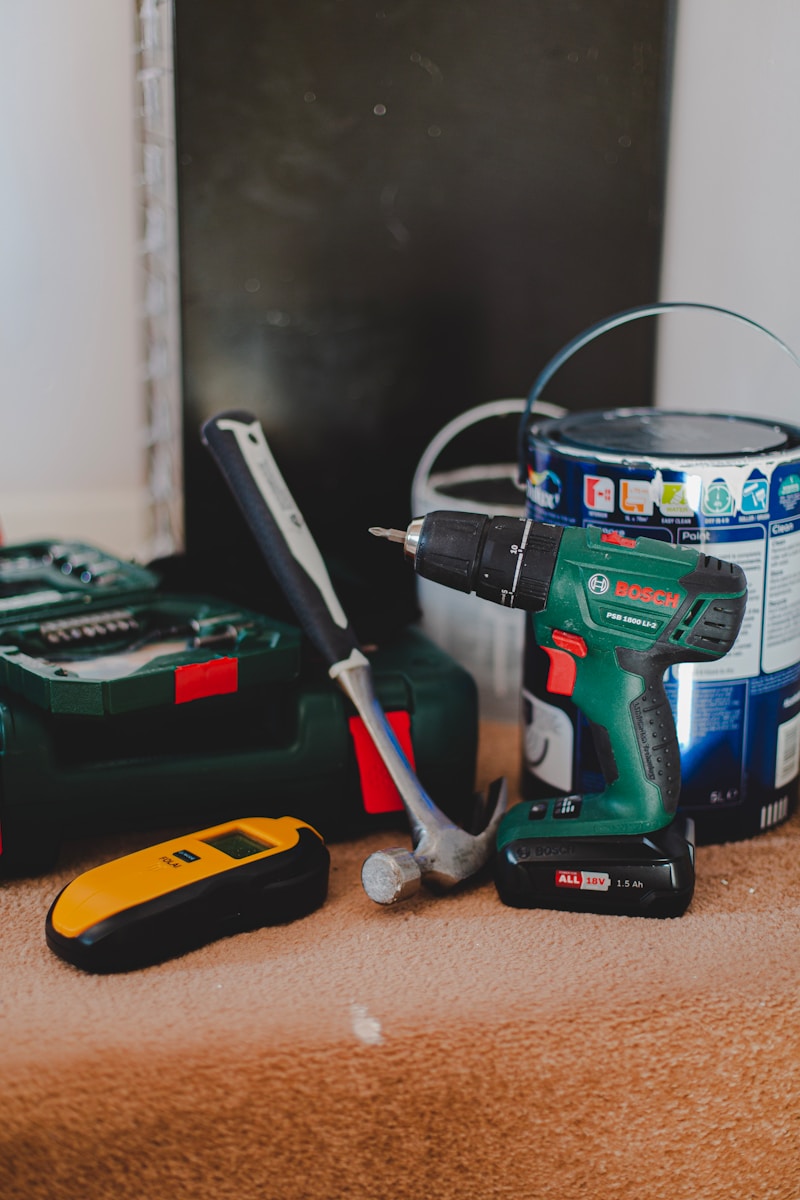
Harbor Freight sells a huge range of tools at prices that can be hard to ignore. The real question is not whether every tool is good. It is whether a specific tool is good enough for the work you plan to do.
For a homeowner, hobbyist, or weekend mechanic, many Harbor Freight tools can be a good value. For daily trade use, tight measurement work, or safety-critical jobs, the choice deserves more care.
Start With the Job, Not the Logo
A tool that drills four holes a month has an easier life than one that drills hundreds of holes every week. That difference matters more than brand arguments on the internet.
Think about frequency, load, accuracy, and what happens if the tool stops working. If failure only delays a weekend project, a low-cost option may be fine. If failure stops paid work, durability and service matter more.
Harbor Freight also sells several house brands at different price levels. Entry-level tools are not the same as its higher-tier lines, so compare model to model rather than treating the whole store as one brand.
That same model-by-model approach helps with other brands too. Our guide to who owns Craftsman and how to compare its tools explains why the name on the box is only one part of a smart purchase.
Where Harbor Freight Often Makes Sense
Basic hand tools, storage, carts, clamps, tarps, funnels, brushes, and other shop supplies can offer strong value. These are common jobs where a lower purchase price may save money without creating much risk.
Home mechanics may also find useful socket sets, breaker bars, pliers, and wrenches. Check the fit and finish before buying. Make sure moving parts feel smooth and size markings are easy to read.
If you are building a basic garage kit, you can compare mechanics tool sets on Amazon as another price and feature reference before you shop.
Storage and Shop Gear Can Be Good Value
Tool carts and cabinets are popular because storage does not need to cut, drill, or measure a part. It needs to roll, hold weight, close well, and keep tools organized.
Open the drawers in the store. Check the slides. Look at welds, casters, handles, and latches. A cabinet can be a bargain if those parts feel solid for the load you plan to store.
Be More Careful With Precision Tools
Torque wrenches, calipers, squares, and other measuring tools need to be accurate. A low price is not much help if the reading is wrong.
For casual work, an inexpensive measuring tool may be enough. For engine assembly, machining, or work that depends on a tight tolerance, choose a tool with the accuracy and calibration support the job requires.
Lifting Equipment Needs Extra Care
Floor jacks, jack stands, hoists, and rigging are different from ordinary shop tools because a failure can hurt someone. Read the rated capacity and instructions. Inspect the equipment before each use.
Never rely on a hydraulic jack alone while working under a vehicle. Use properly rated supports on a stable surface and follow the instructions for the equipment you own.
Basic shop safety gear matters too. You can compare ANSI-rated safety glasses on Amazon if you need eye protection for grinding, drilling, or cutting work.
Understand the Warranty Before You Buy
Warranty terms vary by product. Harbor Freight’s current official warranty information says its hand tools are covered against defects in material and workmanship for the life of the product, with stated limitations. It also describes a limited 90-day warranty that applies to many other products.
Do not assume every item has the same coverage. Read the warranty on the exact product page or package. Keep your receipt when proof of purchase may be needed.
Cordless Tools Are a Battery Decision Too
A cordless drill is not just one purchase. It can be the start of a battery system. Before buying, look at the other tools that use the same packs.
Ask whether the line has the saw, grinder, impact driver, blower, or other tools you may want later. Also compare battery prices and charger options.
If you already own another battery platform, switching may cost more than the sale price saves. Our guide to DEWALT tools and their global product line is another useful reference when comparing a large cordless system.
The Best Strategy Is Often Mix and Match
You do not have to buy every tool from one store. Save money on low-risk items. Spend more where accuracy, daily use, repair support, or safety makes the upgrade worthwhile.
- Budget can work well for storage, clamps, brushes, tarps, and many basic hand tools.
- Compare carefully for daily-use power tools and battery platforms.
- Choose proven accuracy for measurement and torque work.
- Put safety ahead of price for lifting and support equipment.
The same “right tool for the task” idea applies outside the garage. Wrighthost’s guide to automation tools that save time uses a similar approach with software: pick the tool that solves the actual job instead of collecting tools you do not need.
Test a New Tool Early
Use a new tool soon after purchase. Check switches, triggers, cords, batteries, chucks, drawers, and moving parts while the purchase is still fresh.
Listen for odd noises. Check for excess play. Make sure guards and locks work as designed. If something seems wrong, stop using it and follow the return or warranty process.
Maintenance Makes Budget Tools Last Longer
Keep tools dry. Wipe away grit. Oil simple pivots when the maker allows it. Replace worn blades and discs. Store batteries as directed.
Rust can ruin a good bargain. Our guide to removing and preventing tool rust covers easy habits that help hand tools and shop gear last longer.
A Simple Buying Checklist
- Define the job.
- Decide how often you will use the tool.
- Think about the cost of failure or downtime.
- Check accuracy needs.
- Read the exact warranty.
- Inspect the tool before leaving the store.
- Test it early and return a bad one promptly.
So, Are Harbor Freight Tools Good?
Many are good values for home, garage, hobby, and occasional shop work. Some higher-tier products may also suit heavier use. But there is no useful one-word answer for every item in the store.
Match the tool to the job. Spend more where failure costs more. Save where the risk is low. That approach matters far more than loyalty to any single logo.