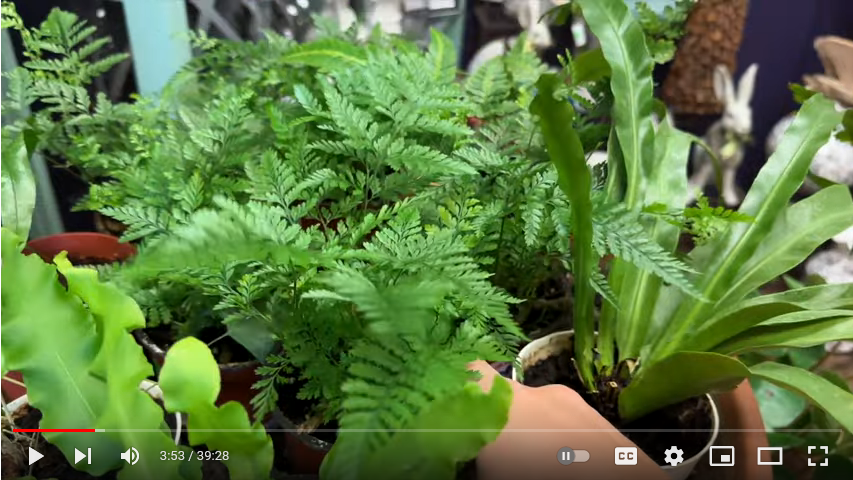
Shopping for houseplants should be fun. It can feel confusing when every shelf is full of different leaves, sizes, and prices. A simple plan makes the choice much easier.
Start with your home, not the plant shop. Look at the place where you want a plant to live. Think about its light, space, warmth, and how often you want to water.
Next, set a budget. Remember that you may also need a pot, saucer, and potting mix. A small healthy plant can be a better buy than a large plant that needs lots of work.
Take your time at the store. Look at several plants before you choose one. A pretty leaf is nice, but a healthy plant that fits your room is the better choice.
Check the plant from top to bottom. Look under the leaves and around the stems. Avoid plants with lots of yellow leaves, sticky spots, webbing, insects, or a bad smell from the soil.
Also check the pot. A few roots near a drain hole are not always a problem. A hard mass of roots, soaked soil, or a cracked pot may mean the plant needs extra care right away.
Match the Plant to Your Light
Light is one of the first things to check. A sunny window and a dim corner are very different homes. Read the plant label, then think about the light you can really give it. If you like unusual plants, our guide to growing carnivorous plants indoors shows why matching a plant to its needs matters.
The University of Minnesota Extension also recommends choosing plants whose light, temperature, and humidity needs fit the room. Its indoor plant pest guide says to inspect leaves, stems, and containers before bringing a plant home.
Look Closely for Pests
Turn a few leaves over. Check leaf joints and new growth. Tiny pests can hide there. White cottony spots, fine webbing, sticky leaves, bumps on stems, or small flies are warning signs. A small 10x hand magnifier can make this check easier.
Do not place a new plant in the middle of your collection on day one. Keep it apart for a week or two and watch it. Our fungus gnat guide explains one common pest that may arrive with damp potting soil.
Think About the Pot and Soil
You do not need to repot every plant as soon as you buy it. If the plant is healthy and the pot drains well, give it time to settle into your home. When a new pot is needed, choose one with a drain hole. A simple indoor pot with drainage is usually easier to manage than a pot that holds water around the roots.
Different plants need different soil and watering habits. Succulents are a good example. Our succulent care guide explains why fast drainage and careful watering matter for those plants.
Buy From a Good Seller
A local nursery or garden center can be useful because you can see the plant before you buy it and ask questions. Online sellers can also be a good choice when you want a plant that is hard to find nearby.
If you want to compare plant types before you shop, Plant Hoarder is another useful place to browse plant ideas and care topics. Make a short wish list before you buy. It helps you choose plants that fit your home instead of buying only because a leaf caught your eye.
Bring Home the Right Plant
The best houseplant is not always the rarest or largest one. It is the plant that fits your light, budget, space, and care habits. Check it well, bring it home, keep it apart from your other plants for a short time, and enjoy watching it grow.