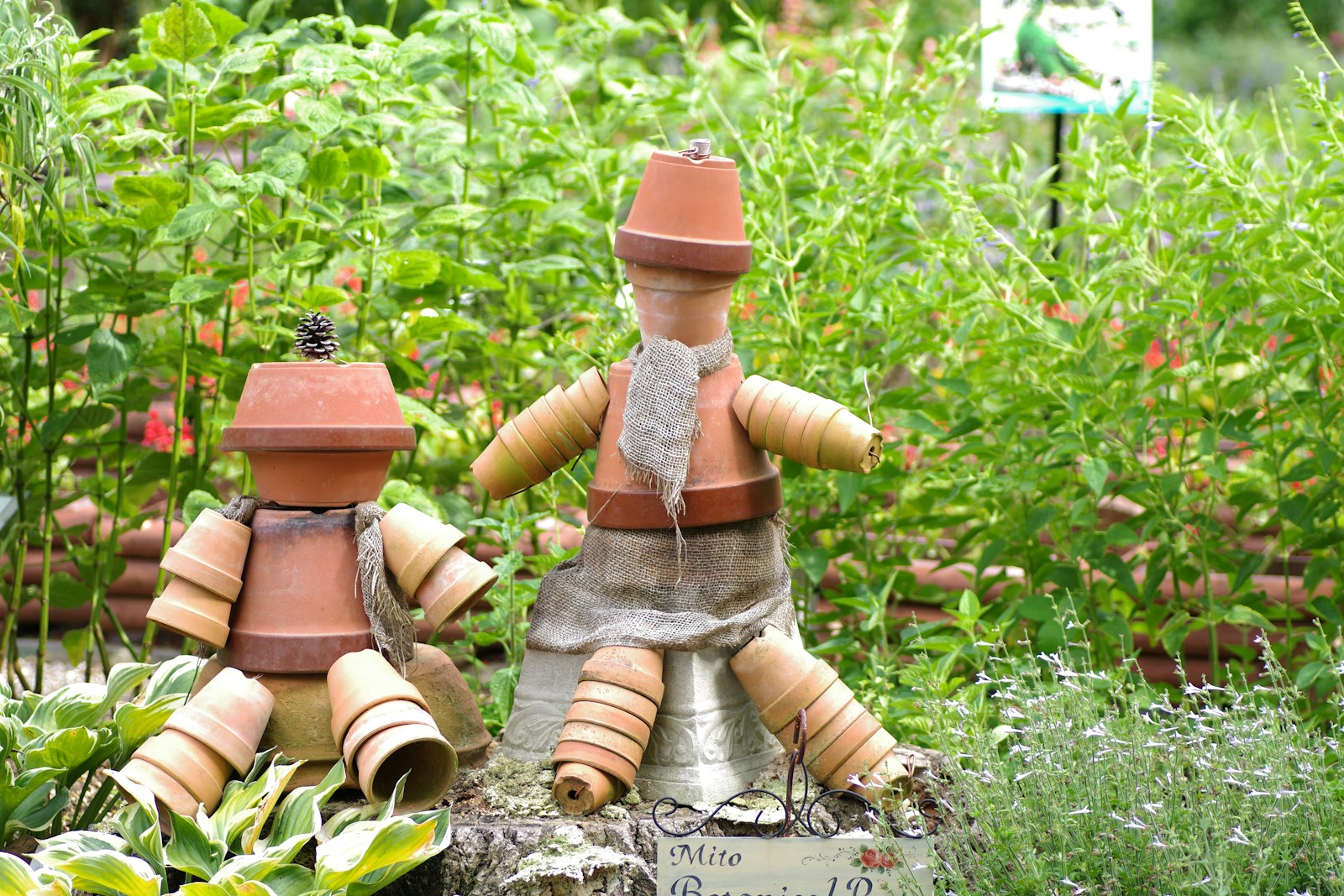
Let’s build this herb garden like we’re raiding the recycling bin and the windowsill, not the bank account. 🌿
We’ll walk through:
- Smart herb choices
- Free/cheap containers
- Propagating by cuttings and division
- Planting and basic care
No fancy kit. Just hands, scissors, and whatever pots you’ve got lying around.
1. Decide What You Actually Use
Before you grab soil, think kitchen first, garden second Summer Garden.
Great beginner herbs (easy + often used):
- Basil – summer salads, pesto, pasta
- Parsley – almost everything savory
- Mint – drinks, desserts, salads (keep contained!)
- Thyme – roasts, veg, soups
- Rosemary – potatoes, bread, stews
- Chives / garlic chives – eggs, salads, toppings
- Oregano / marjoram – pizza, tomato dishes
- Sage – rich dishes, butter sauces
Pick 3–6 you cook with all the time. That’s your starter herb squad.
2. Gather Budget-Friendly Materials
You don’t need matching terracotta to get started.
Containers (free or cheap):
- Buckets, paint tubs, big yogurt pots (with drainage holes)
- Old wooden crates lined with plastic (with holes poked in)
- Food-safe plastic tubs or cut-down bottles
- Broken pots or “ugly” containers (plants don’t judge)
You’ll also need:
- Potting mix (multi-purpose compost is fine; mix in some perlite/sand if you have it)
- Gravel / broken pot shards (optional for drainage at the bottom)
- Scissors or pruners (sharp and clean)
- A small trowel or just your hands Peperomia caperata Mendoza
3. Propagating Herbs from Cuttings (The Fun Free Way)
Cuttings = new plants from bits of existing ones. Perfect for:
- Basil
- Mint
- Oregano
- Rosemary
- Sage
- Thyme (young, flexible stems)
Step A – Take the cutting
- Choose a non-flowering, healthy stem.
- Snip a 4–6 inch (10–15 cm) piece just below a leaf node (where leaves grow out).
- Strip the lower leaves from the bottom half, leaving a small tuft at the top.
- If the stem feels woody (like older rosemary), try to find a younger, softer bit.
Step B – Root in water or directly in compost
Option 1: Root in water (great for beginners & basil/mint)
- Pop the cuttings into a glass or jar of water, with only the bare stem underwater.
- Place on a bright windowsill out of harsh midday sun.
- Change the water every few days.
- In 5–14 days (varies by herb), you’ll see little white roots.
When roots are 1–2 inches long:
- Pot each cutting into small pots of damp compost.
- Water gently and keep in bright but not baking sun for a week while they settle Peperomia caperata Brasilia.
Option 2: Root directly in compost (better for woodier herbs)
- Fill a pot or tray with moist compost (not soggy).
- Use a pencil to poke holes around the edge of the pot.
- Insert cuttings so the bare stem is buried and the leaves sit above the surface.
- Firm gently and water lightly.
- Cover with a clear plastic bag or dome (not touching leaves) to hold humidity, and keep in bright but indirect light.
Check every few days:
- If the cutting still looks perky after 2–3 weeks and new leaves appear, it has rooted.
4. Propagating by Division (Instant New Plants)
Division = chop one clump into several. Best for:
- Chives / garlic chives
- Mint
- Lemon balm
- Oregano
- Thyme (older clumps)
- Sage (younger plants, not old woody monsters)
How to divide a clump
- Water the plant well a few hours beforehand.
- Tip it out of its pot or dig it up from the garden.
- Gently tease apart the root ball with your hands, or:
- Use a clean knife or old bread knife to slice it into chunks.
- Each piece should have:
- Some roots
- Some shoots/green growth
- Replant each division into its own pot (or a different spot in the bed) at the same depth it was growing before.
- Water in well.
This is like Peperomia obtusifolia Variegata cloning a plant in five minutes.
5. Preparing Containers & Planting
Drainage first
- Check holes in the bottom – add more with a drill/nail if needed.
- Add a thin layer of gravel or broken pottery if the container is deep and heavy.
Add compost
- Fill almost to the top with potting mix.
- Firm lightly – don’t squash it hard.
- Aim to leave about 1–2 cm (½–¾ inch) gap at the top so watering doesn’t overflow.
Planting your herbs
Single herb per pot (best for strong growers like mint & rosemary):
- Make a hole just bigger than the root ball.
- Place the plant so the surface of the root ball is level with the new compost.
- Backfill, firm gently, and water well.
Mixed herb container (a “mini herb garden” in one pot):
- Use a wide pot/trough.
- Mix thirsty herbs together: basil, parsley, coriander.
- Mix dry-lovers together: rosemary, thyme, oregano, sage.
- Space them so they’re not squashed; baby plants grow!
Try:
- Tall (rosemary/sage) at the back,
- Bushy (oregano/thyme) in the middle,
- Trailing (creeping thyme) or low herbs near the front edge.
6. Using Readily Available Materials (Keep It Cheap!)
A few fun, low-budget ideas:
- Tin cans
- Wash, remove labels, punch drainage holes in the base.
- Add a thin layer of gravel, then compost.
- Plastic bottles
- Cut in half: use the bottom as a pot.
- Or make vertical wall planters by cutting windows into the side.
- Old drawers / crates
- Line with plastic (e.g., old compost bag) with holes poked in.
- Fill with compost and plant a mixed herb collection.
- Styrofoam veg boxes
- Many shops throw these out.
- They’re lightweight, deep, and great for balcony herb gardens (just add drainage holes).
You can dress everything up later with paint or labels if you like Peperomia ferreyrae Green Bean; the plants only care about light, water, and roots.
7. Basic Herb Care (So They Thrive, Not Sulk)
Light
Most herbs like:
- At least 4–6 hours of sun a day.
- South or west-facing spots are ideal.
- Mint and parsley can cope with part shade.
Indoors, a bright window or supplemental grow light is helpful for lush growth.
Water
- Water when the top inch of compost feels dry.
- For Mediterranean herbs (rosemary, thyme, oregano, sage):
- Let them dry slightly between waterings.
- For leafy, lush herbs (basil, parsley, mint):
- Keep evenly moist, not soggy.
Rule: it’s usually better to give a good soak, then let drain, than lots of tiny sips.
Feeding
In a decent potting mix, herbs don’t need much:
- A light liquid feed every 2–4 weeks during peak growth is enough, especially in containers.
- Avoid overfeeding; it can dilute flavor and make plants soft.
Trimming and harvesting
- Pinch or cut little and often to keep herbs bushy.
- Don’t strip more than ⅓ of the plant at a time.
- For basil, always pinch just above a pair of leaves – it will fork and grow fuller.
8. Keeping Mint (And Friends) Under Control
Some herbs are enthusiastic spreaders:
- Mint
- Lemon balm
- Some oreganos
Best practice:
- Grow them in their own pots, even if you sink those pots into a bigger bed.
- This keeps roots from running everywhere while still looking lush.
Think: jail cell with Gibasis geniculata Tahitian Bridal Veil great room service.
9. Simple “Starter Layouts” You Can Copy
A. Windowsill Trio
- Long narrow tray with:
- Basil
- Parsley
- Chives
Great for daily cooking, easy to water and snip.
B. Mediterranean Pot
- One wide pot with:
- Rosemary (back)
- Thyme (middle)
- Oregano or creeping thyme (edge)
Loves sun, hates soggy feet. Great beside the grill.
C. Mint Mojito Bucket
- One big container with only:
- Mint (or mint + lemon balm)
- Sits near the kitchen door for quick grabbing.
10. Growing Your Herb Garden Over Time
You don’t have to build it all at once. A nice pace:
- Start with 3–4 herbs you use constantly.
- Add more via cuttings from friends, neighbors, or grocery herb pots you rescue and repot.
- Divide older clumps each year to refresh and multiply your supply.
- Shuffle containers around to follow sun and access.
Before long, you’ll have a little “flavor library” right outside your door – Calathea roseopicta Medallion all built from recycled containers, a few cuttings, and a bit of patience.
Bottom line:
A budget-friendly herb garden = cheap containers + free plant pieces + decent compost + regular snipping.
Do that, and every time a recipe calls for “fresh herbs,” you’ll just smile, step outside, and pick your own. 🌿✨