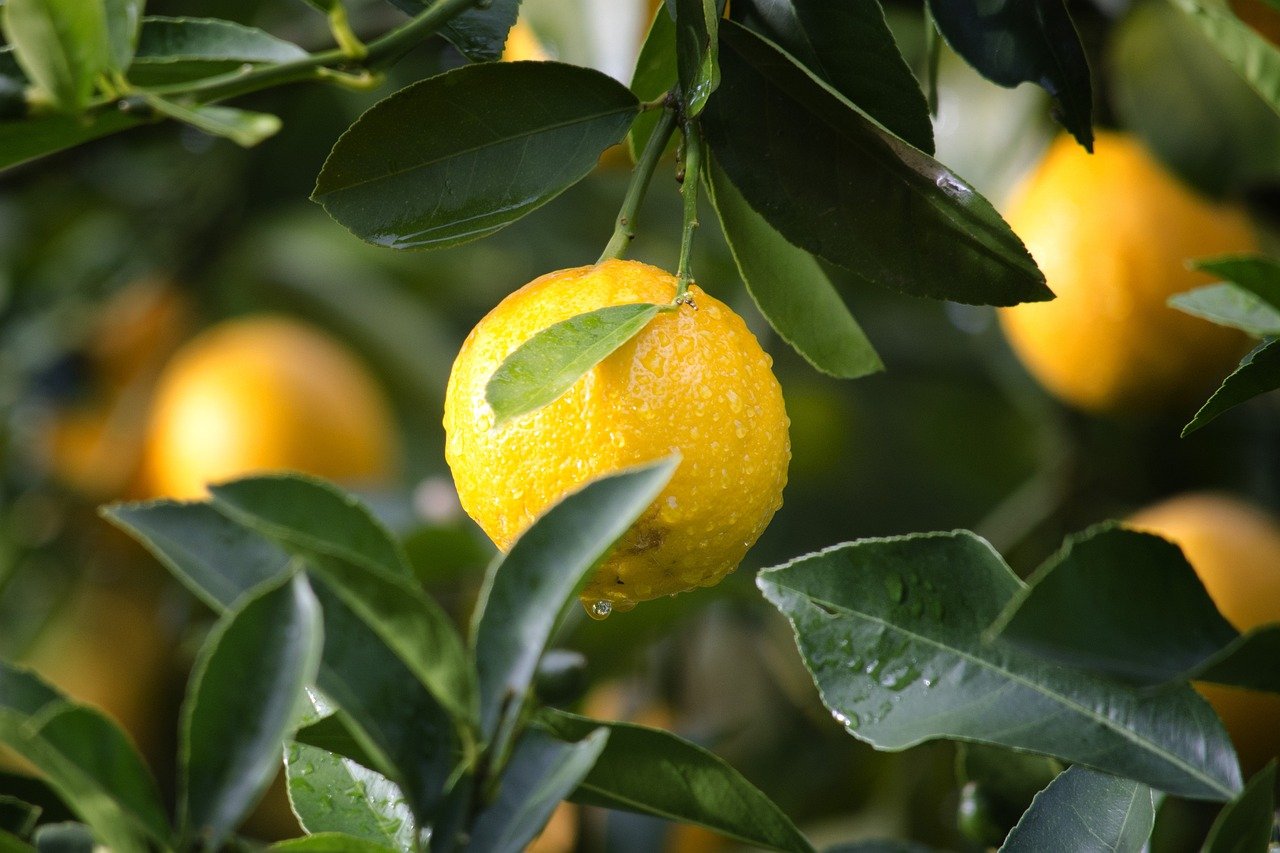
An Improved Dwarf Meyer lemon tree can bring fresh citrus to a small yard, patio, or bright indoor space. It stays much smaller than many citrus trees. That makes it a good choice for a large pot.
Meyer lemons are known for thin skin, fragrant juice, and a sweet-tart taste. The fruit is often less sharp than a common grocery-store lemon. The tree also has glossy green leaves and sweet-smelling white flowers.
The tree needs lots of light. Outdoors, give it full sun when you can. Indoors, use your brightest window. A dark room may keep the tree alive, but it may not bloom or make good fruit.
Good drainage is just as important. Citrus roots do not like to sit in wet soil. Use a pot with drain holes and a loose potting mix. Water well, then let the top of the mix begin to dry before you water again.
Meyer lemons can bloom more than once a year. Fruit often ripens in fall and winter, though a healthy plant may hold flowers and fruit at other times. Young fruit may drop on its own. That is normal when the tree sets more fruit than it can support.
Cold is the main limit. A tree in a pot can be moved indoors before a hard freeze. Make the move in stages when you can. A slow change in light and heat can reduce leaf and fruit drop.
Choose a Pot That Drains
Start with a pot that fits the root ball and has open drain holes. Do not put a small tree in a huge wet pot. Move up in size as the roots fill the mix. If you need basic pots, these round nursery growing pots show the kind of simple drainage a container plant needs.
A light potting mix is better than heavy garden soil in a container. The same basic idea helps many small-space plants. Our micro garden guide has more tips for making containers work in tight spaces.
Give It Sun and Steady Water
A Meyer lemon does best with strong light. Six or more hours of bright sun is a good goal. If indoor winter light is weak, a small LED grow light can help give the tree a brighter day.
Check the soil before you water. If the surface still feels wet, wait. If the top starts to feel dry, water until some drains from the bottom. Do not leave the pot standing in a saucer full of water.
Feed During Active Growth
Container citrus uses the food in its pot over time. Feed during active growth and follow the product label. A fertilizer made for citrus trees is an easy option. More is not better. Too much fertilizer can hurt roots and cause weak growth.
For a simple care reference, Penn State Extension’s lemon guide explains that Meyer lemons can grow well in containers, need strong sun, and may take six to nine months for fruit to ripen.
Move the Tree Indoors Before Freezing Weather
If your winters freeze, treat the tree as a patio plant that comes inside for cold weather. Check the leaves before the move. Look under them for scale, mites, or other pests. Wash dusty leaves and keep the tree away from hot air vents.
Winter care is easier when you plan ahead. Our winter gardening guide covers simple ways to protect pots and tender plants when cold weather arrives.
Flowers and Fruit
Meyer lemon flowers smell sweet and can appear while fruit is still on the tree. The plant is self-fertile, so one tree can make fruit. Outdoors, insects and air movement help move pollen. Indoors, a gentle shake of the flowers or a soft brush can help.
Do not rush the harvest. Fruit can take months to mature. Let the lemons gain their full yellow to orange-yellow color. A ripe Meyer lemon should feel heavy for its size and have a rich citrus smell.
Keep Care Simple
The best routine is simple: give the tree sun, drainage, water when needed, and food while it grows. Watch for pests. Protect it from hard cold. If you enjoy growing useful plants near the kitchen, our easy herb garden guide is another good place to start.
An Improved Dwarf Meyer lemon does not need a huge yard. With a sunny spot and a good pot, it can be a useful and attractive plant for years. The flowers smell good, the leaves stay green, and the fruit can go straight from the tree to the kitchen.