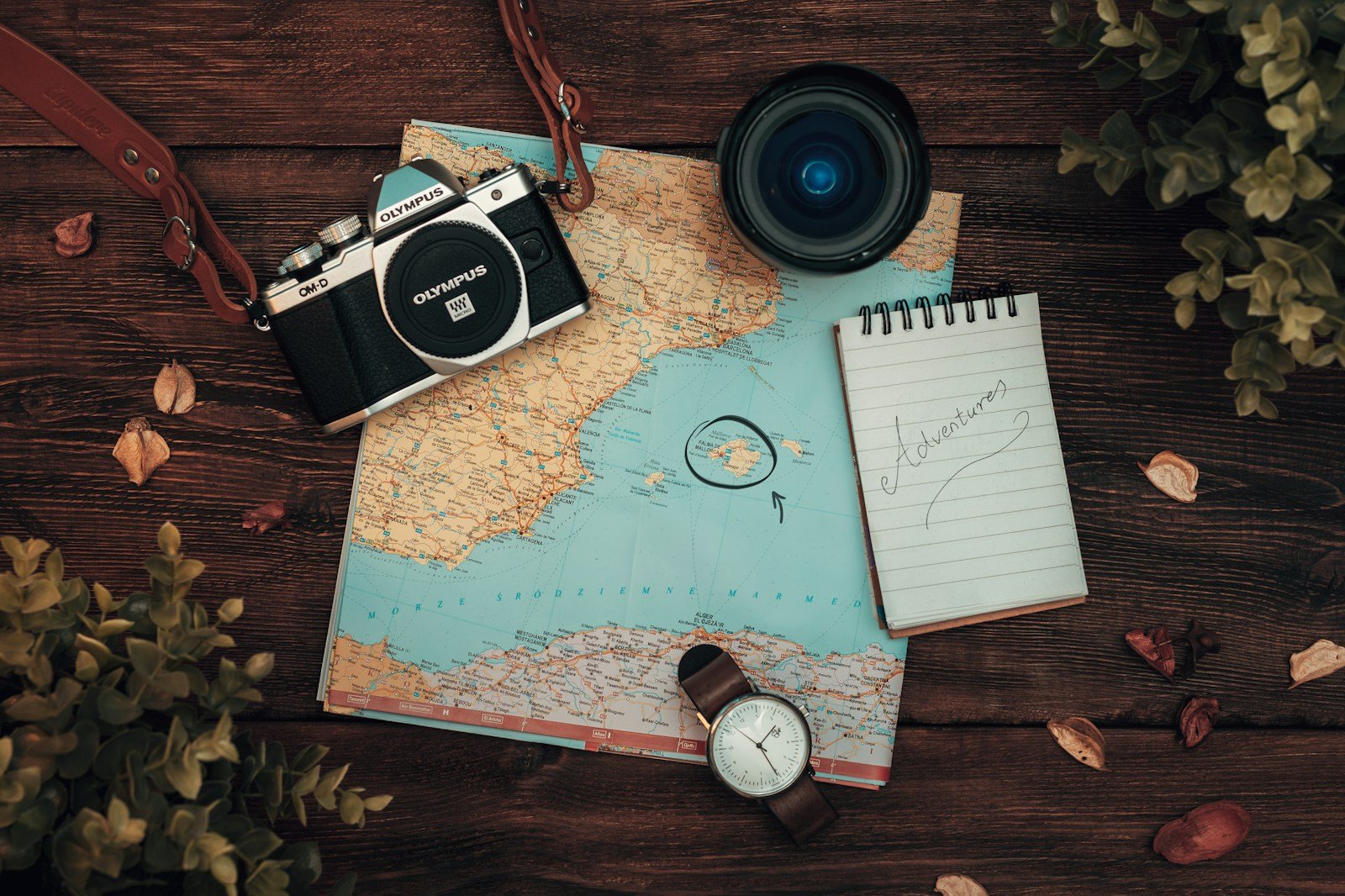
Slow travel is simple. Instead of racing through many places, you spend more time in fewer places. You leave room to walk, eat, rest, and notice what is around you.
This kind of trip can feel very different from a packed vacation. There may be fewer famous stops. There may also be less stress, less time in transit, and more time to enjoy where you are.
You do not need a long trip to travel slowly. Even a weekend can work. Pick one town, one part of a city, or one outdoor area. Stay close to it. Let the days be simple.
The point is not to avoid planning. It is to plan only what matters. Book the things that need a set time. Leave open space around them.
That open time can change a trip. You can return to a cafe you liked. You can walk the same street twice. You can stop when a market, trail, view, or conversation catches your attention.
Simple gear can help too. A phone battery can disappear fast when you use maps and tickets all day. A small Anker PowerCore 10000 portable charger is one example of a useful travel item that does not take much room.
Stay Longer in One Place
One of the easiest ways to slow a trip down is to change hotels less often. Pick one base and explore from there. A few short day trips are usually easier than moving your bags every night.
This works well in places with many small things to enjoy. Our Vis Island slow-travel guide is a good example. The appeal is not one big attraction. It is the mix of coves, towns, food, walks, and quiet time.
Staying longer also helps you learn the basic rhythm of a place. You find the grocery store. You learn when the bakery opens. You notice which streets get busy and which ones stay calm.
Build the Day Around Real Life
Slow travel often works best when you do ordinary things. Walk to breakfast. Ride local transit. Shop at a market. Sit in a park. These small parts of the day can tell you more about a place than rushing from one attraction to another.
Food is especially useful. A local bakery, produce stand, or family-run restaurant can show you what people eat and how the day moves. You do not need a fancy meal. A simple lunch can be enough.
If you want a larger list of places to compare before picking a slower base, our coast-to-coast USA travel guide can help you narrow the field.
Leave Room for Nature
Slow travel and outdoor time fit well together. A short walk can become the main event instead of something squeezed between stops. You can spend an hour by a river, on a beach, or under trees without watching the clock.
Our guide to quieter nature escapes has ideas for finding smaller parks, local trails, wetlands, and other places that are easy to overlook.
When you do head outside, follow local rules and respect the place. Noah’s Outdoors has a useful guide to responsible trail etiquette that covers simple habits such as staying on trail, packing out trash, and giving wildlife room.
Spend in Ways That Help the Place
Where you spend money matters. Local cafes, guides, markets, and small shops can keep more travel income in the community. The United Nations notes that sustainable tourism can support jobs, inclusion, local economies, and cultural heritage.
That does not mean every small business is automatically better. It means you can make choices with more care. Ask who runs a tour. Look for local food. Learn a few words of the local language. Treat homes, farms, neighborhoods, and sacred places as real communities, not backdrops.
A Better Trip Can Be a Simpler Trip
Slow travel is not about being lazy. It is about choosing depth over speed. You see fewer places, but you often remember more about them.
Try it on your next trip. Cut one stop. Stay one extra night. Leave one afternoon open. Walk somewhere close instead of driving across town. Small changes can make a trip feel calmer and more complete.