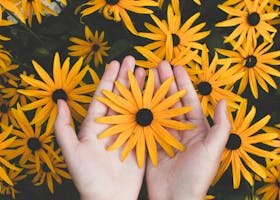
You do not need a large yard to grow useful plants. A balcony, patio, windowsill, or small corner can hold herbs, flowers, and food.
A micro garden works because every bit of space has a job. Pots hold roots. Walls support vines. Railings hold planters. Shelves create more room without taking more floor space.
Start with the light you have. Watch your space for a day. Note where the sun lands and how long it stays. Then choose plants that match those conditions.
Containers make this easy. They can be moved, grouped, and changed through the season. They also let you control the soil instead of fighting poor ground.
Small gardens can be productive as well as pretty. A pot of basil can sit beside flowers. A compact tomato can grow next to lettuce. If you want a dependable tomato for a container, our Celebrity tomato guide is a useful place to start.
The key is to keep the plan simple. Give roots enough room. Use containers with drainage. Water when the soil begins to dry. Add more plants only after the first group is doing well.
Choose Containers That Fit the Plant
Almost any container can work if it is safe, sturdy, and has drainage holes. Larger plants need more soil than small herbs or greens.
Use a light potting mix instead of heavy garden soil. Good potting mix drains well but still holds enough moisture for roots.
The University of Minnesota Extension recommends containers with drainage, quality potting mix, regular watering, and plant choices that match the available sun. Its small-space container gardening guide is a useful reference.
If you are starting from scratch, a set of plant containers with drainage can make the setup simple. Choose sizes based on the mature plant, not the tiny transplant you bring home.
Grow Up When You Cannot Grow Out
Vertical growing is one of the best ways to save space. A trellis can support beans, cucumbers, or small climbing flowers. Wall planters can hold herbs and shallow-rooted plants.
Hanging baskets work well too. They move plants above the floor and leave room below for larger pots.
Think in layers. Put taller plants where they will not shade short plants all day. Use the brightest spots for crops that need full sun. Save dimmer corners for plants that tolerate shade.
Pick Plants That Stay Manageable
Herbs are a strong first choice. Basil, parsley, chives, thyme, and mint can fit into small containers. Keep mint by itself because it spreads fast.
Leaf lettuce, radishes, peppers, strawberries, and compact tomatoes can also work well. If you garden in a warm climate, our guide to the best plants to grow in Alabama can help you choose plants that handle heat and humidity.
Flowers can share the space. Trailing plants are especially useful because they soften the edges of pots without taking much room. For one example suited to containers, Alabama Grown describes Purple Heart as a trailing plant that can grow well in containers.
Water Small Gardens Carefully
Containers can dry faster than garden beds. Check them often in hot weather. Water deeply enough that excess water can leave through the drainage holes.
Do not keep roots soaked all the time. Wet soil with no air can cause problems. A good potting mix and open drainage holes help prevent this.
A self-watering planter can help if your schedule is busy. It is still wise to check the soil instead of assuming the reservoir will handle every condition.
Use Raised Beds When You Have a Little More Room
A small patio or courtyard may have room for a narrow raised bed. It gives roots more soil and can be easier to reach than pots on the ground.
Our guide to high raised garden beds explains how height, comfort, and filling costs fit together.
Add Indoor Growing Only When It Helps
An indoor herb shelf can extend the idea when outdoor space is limited. A bright window may be enough for some plants. Others may need extra light.
If natural light is weak, a small LED grow light for herbs can help. Keep the light close enough to be useful and follow the maker’s directions.
Keep the First Season Simple
Do not try to fill every inch on day one. Start with a few containers. Learn how fast they dry and which spots get the best light.
Then add plants that solve a real need. Grow herbs you use. Add flowers you enjoy. Choose vegetables you will actually eat.
A small garden does not have to feel small. With good light, good drainage, and a simple plan, even a tiny space can produce fresh food and a lot of joy.