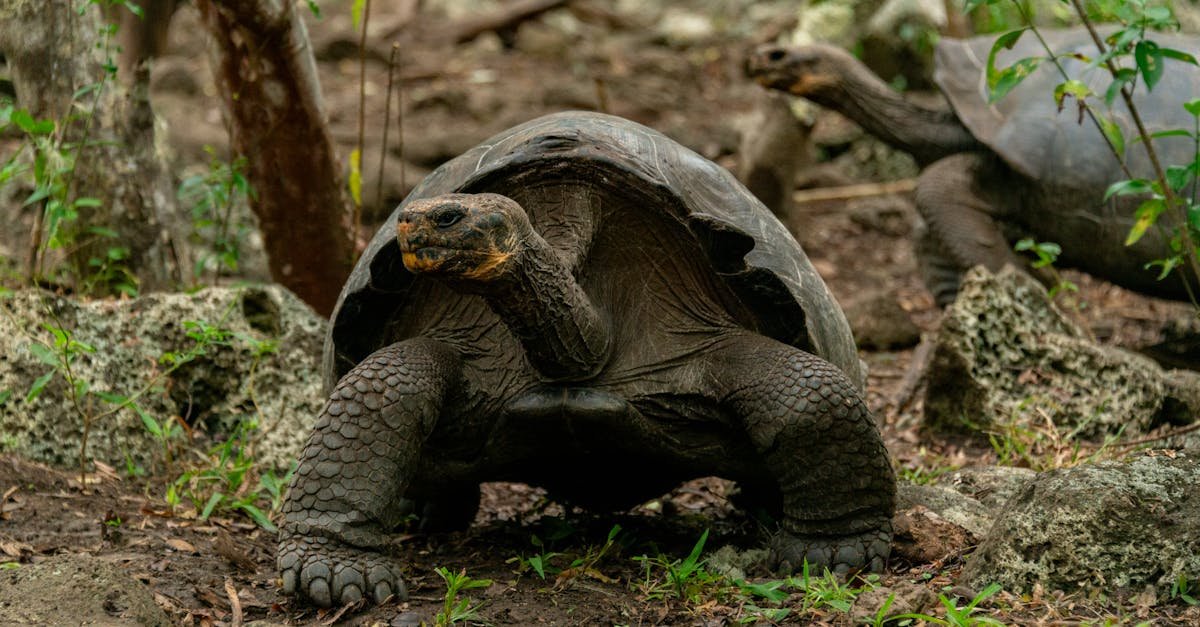
Galápagos National Park protects one of the most unusual island groups on Earth. It sits far west of mainland Ecuador in the Pacific Ocean. The islands are known for giant tortoises, marine iguanas, seabirds, volcanoes, and clear blue water.
The park feels wild because many species evolved in isolation. Some live nowhere else. That makes the islands exciting to visit, but it also makes them easy to harm.
A good trip starts with respect. Visitors need to follow marked routes, listen to guides, avoid feeding wildlife, and keep a safe distance from animals even when they seem calm.
The park was created in 1959 and protects most of the land in the Galápagos archipelago. The surrounding marine reserve adds another huge layer of protection for sea life.
For a second look at the islands, our Wonders of Galápagos Islands article focuses more on the wildlife and scenery that make the archipelago so memorable.
Travelers planning a visit should also check current rules and fees. Ecuador’s Galápagos government lists the national park fee for most international visitors age 12 and older at US $200, with lower rates for children and some other visitor groups.
Why the Galápagos Are So Important
The Galápagos are famous for endemic species. Endemic means a plant or animal is native to one place and is not naturally found anywhere else.
That includes animals such as the Galápagos giant tortoise, marine iguana, and flightless cormorant. The islands also have many unique birds, plants, and sea creatures.
Charles Darwin visited the islands in 1835. What he saw there later helped shape his ideas about evolution and natural selection.
Islands Worth Knowing
Santa Cruz is one of the main visitor hubs. Puerto Ayora sits there, along with the Charles Darwin Research Station and nearby areas where giant tortoises can be seen.
Isabela is the largest island. It has volcanoes, marine life, tortoises, penguins, flamingos, and long stretches of rugged coast.
Española is known for waved albatrosses and dramatic sea cliffs. North Seymour is popular for frigatebirds and blue-footed boobies. Bartolomé is known for volcanic views and snorkeling near Pinnacle Rock.
If quieter nature trips appeal to you, our guide to finding less-crowded outdoor escapes has ideas that fit the same low-impact travel style.
Wildlife You May See
Sea lions are common around docks and beaches. Marine iguanas warm themselves on dark lava rock. Giant tortoises move through highland areas. Bright Sally Lightfoot crabs stand out along the shore.
In the water, visitors may see sea turtles, rays, reef fish, sharks, and other marine life. What you see depends on the island, season, water conditions, and tour route.
Do not touch or feed animals. Keep the distance required by your guide and park rules. Wildlife that looks tame is still wild.
How to Visit With Care
Stay on marked trails and visitor sites. Do not collect shells, rocks, plants, or other natural items. Keep food packed away, and carry out all trash.
A small pair of compact travel binoculars can help you watch birds and other wildlife without moving too close.
For swimming and boat trips, a reef-conscious sunscreen, hat, water bottle, and light cover-up are useful items to pack.
The same idea applies to the whole trip. Move slowly. Watch more. Disturb less. Our guide to slow travel explains why doing fewer things can often lead to a better trip.
A Related Galápagos Guide
For another practical overview, Tuars has a Galápagos National Park guide that covers the islands from a broader travel angle.
When to Go
The warmer season usually runs from about December through May. The sea is often warmer and calmer, and short rains can make the islands look greener.
The cooler season usually runs from about June through November. Winds can be stronger, and the water is cooler. Wildlife activity changes through the year, so there is no single best month for everyone.
Getting There
Most visitors first fly to mainland Ecuador. Flights to the Galápagos then leave from Quito or Guayaquil and arrive at Baltra or San Cristóbal.
Entry rules, transit cards, fees, and biosecurity steps can change. Check official Ecuador and Galápagos information before you fly rather than relying on an old guidebook or blog post.
Why the Islands Stay With You
The Galápagos are not special because they are easy to reach. They are special because so much life developed there in its own way.
A careful visit lets you see that life without adding much pressure to it. Watch the animals. Learn from the guides. Follow the rules. Then leave the islands as wild as you found them.