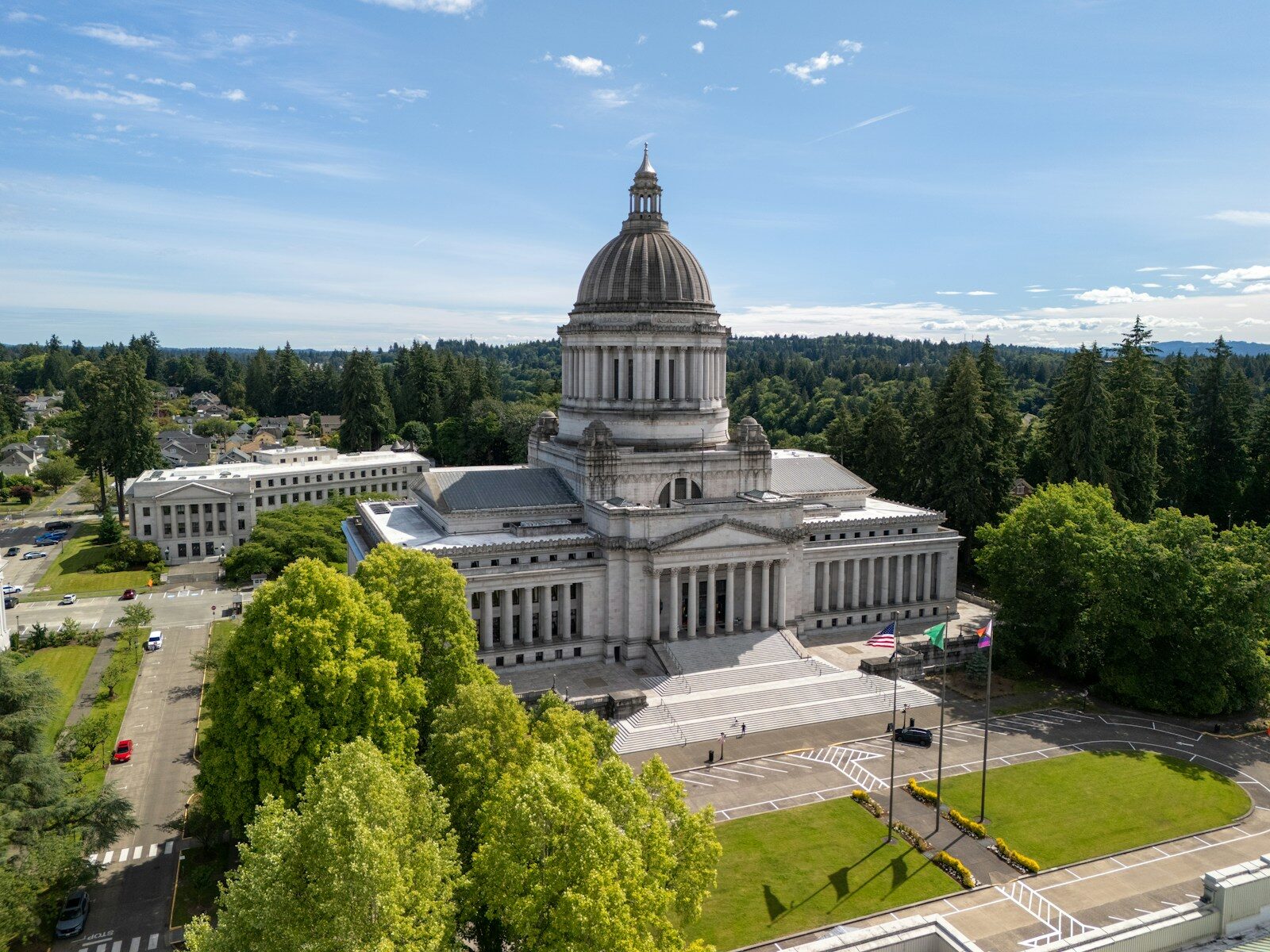
On July 4, 1889, 75 delegates met in Olympia to write a constitution for Washington. The date was fitting. The territory wanted statehood, and this meeting was one of the last big steps.
A constitution may sound dry. In truth, it decides how power works. It sets basic rights, creates offices, and gives a state its legal frame.
Why Washington Needed a Constitution
Washington had been a U.S. territory since 1853. By the late 1880s, its towns, farms, ports, and rail lines were growing fast. Many residents wanted full statehood.
Congress passed an enabling law in 1889 that opened the door for Washington, Montana, North Dakota, and South Dakota to become states. Washington still had to write and approve its own constitution.
Voters chose 75 delegates. They came from many jobs and places. Lawyers were well represented, but so were farmers, business owners, and other local leaders.
The delegates gathered in Olympia on Independence Day. Then the real work began. They had to turn broad ideas about rights and government into rules people could live under.
What the Delegates Built
The Washington Secretary of State’s history of the constitution says the convention met from July 4 through August 1889. The delegates wrote the document that would become the basis for state government.
They dealt with rights, courts, elections, schools, taxes, public lands, and the powers of state leaders. Those choices were not small. They shaped how the new state would work day by day.
The constitution was then sent to voters. On October 1, 1889, Washington voters approved it by a wide margin.
Statehood Took More Than One Day
It is easy to think of statehood as one ceremony. It was really a chain of steps. Delegates met. They argued. They wrote. Voters approved the result. Federal leaders then had to accept it.
That process feels close to our story about Tucson in the territorial era. Both places were growing communities trying to define their place inside the United States.
It also connects with the founding of Colorado Springs. In both stories, people were not just living in a place. They were helping decide what that place would become.
Why Olympia Mattered
Olympia was already the territorial capital. Hosting the convention made the city even more important to Washington’s political story.
The delegates worked there through the summer. When they finished, the document carried Olympia’s role from the territorial years into the new state.
Today, Washington still faces big questions about growth, land, and risk. A modern example is this Tuars look at Washington wildfire insurance. The topic is very different, but it shows why state rules and public policy still matter in daily life.
The Constitution Was Not the Whole Story
Statehood stories can sound neat when we tell them fast. The wider story was more complex. Native nations had lived across the region for generations before the territory and state were created.
Growth also came with land loss, treaty pressure, and major changes for tribal communities. That history belongs beside the story of conventions, voting, and statehood.
The same need for context appears in our article on the Scopes Trial. A legal document or court case makes more sense when we also look at the people and conflicts around it.
A Good Way to Learn More
If you want more detail, a book on Washington state history and its constitution can help place the 1889 convention inside the wider story of settlement, politics, and statehood.
It is also worth reading parts of the constitution itself. Old legal words can feel slow, but they show what the delegates thought was important enough to protect in writing.
Why the 1889 Convention Still Matters
Washington became the 42nd state on November 11, 1889. The constitution written that summer helped make that possible.
The convention matters because it shows how government is built. It starts with people in a room, hard choices, and words on a page. Those words can then shape a state for generations.