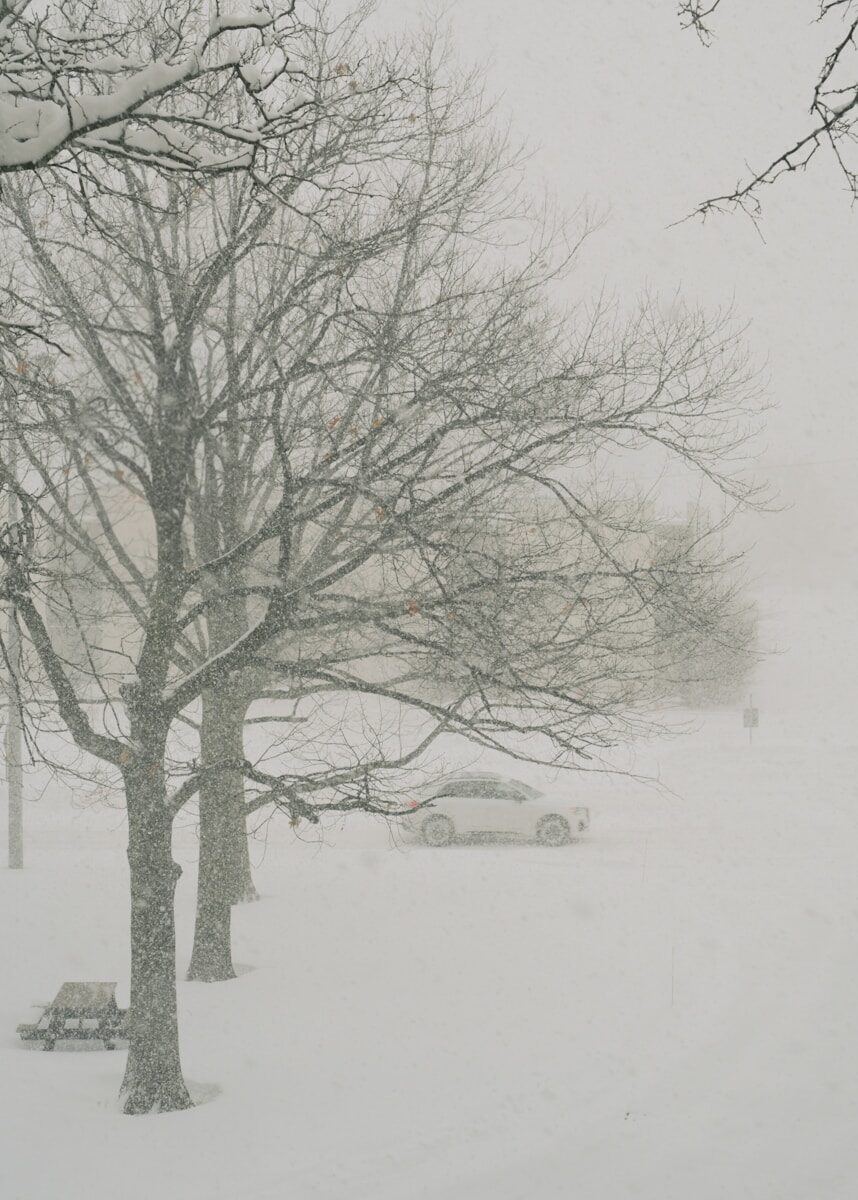
Some outdoor videos take time to build tension. This one does not. Snow is falling. There is no tent. There is no sleeping bag. The goal is simple: build shelter, keep a fire going, and get through the night.
That clear setup is why the video works. We know the problem at once. We also know the cold does not care about the camera.
Luke Nichols of Outdoor Boys stays calm and works through one task at a time. He picks a site. He builds cover. He gathers fuel. Then he keeps adjusting as the weather changes.
The story feels simple, but the choices are not. Snow makes dry wood harder to find. Wet clothes cool fast. Wind steals heat. Small errors can grow into big ones.
That is what makes the video useful. It is not just a stunt. It shows how much winter camping depends on judgment.
It also gives viewers a reason to keep watching. Each small win matters more as daylight fades.
Watch the Snowstorm Camping Video
The Shelter Has One Job
A winter shelter does not need to look perfect. It needs to cut wind and hold some warmth close to the body.
That is why small shelters can work well. A tight space is easier to protect than a large one. The same idea shows up in our look at an Arctic survival shelter, where shelter shape and steady work matter more than comfort.
The video also shows why shelter skill should not be confused with a normal winter camping plan. A skilled person can make a hard setup look easy. That does not make it safe for a beginner.
The REI winter camping guide stresses proper insulation, cold-weather gear, and planning for frostbite and hypothermia. Those are better starting points for most campers.
Firewood Becomes the Clock
The fire is not there for looks. It is the main heat source for the night.
That changes the way firewood feels. One log is not just one log. It is a little more time before the cold wins back the space.
The lesson is easy to miss on a warm camping trip. In deep cold, fuel has to be planned for hours, not minutes.
For normal camping, the safer goal is a controlled fire in a legal place. Noah’s Outdoors has a practical guide to building a safe campfire, including checking fire rules, choosing a good site, and putting the fire fully out.
A small ferro rod fire starter can be useful backup gear, but good fire prep still matters more than any one tool.
Why the Quiet Work Is So Watchable
The video does not need fake panic. The weather already gives the story enough pressure.
We watch the shelter take shape. We watch the wood pile grow. We watch the light fade. That slow progress gives the video a natural rhythm.
That same kind of quiet learning is one reason Primitive Technology’s shelter videos work so well. Clear action can teach without a long speech.
Good outdoor footage makes us think about what we would do next. That is stronger than simply telling us the answer.
Cold Makes Every Choice Bigger
Winter removes a lot of room for error. Wet socks matter. Sweat matters. Wind matters. A dead phone battery can matter too.
That is why calm is one of the best skills shown here. The work stays focused. Each task has a reason.
The frozen setting also adds scale. Our look at Kara and Nate’s North Pole trip shows the same truth from another angle: cold places force people to respect distance, weather, and limits.
That respect is the part worth copying. A winter trip should have warm layers, insulation from the ground, backup shelter, food, water, and a way to leave if conditions turn bad.
A compact emergency bivy can add a useful backup layer, but it should not replace a sound plan.
Why the Video Sticks With Us
The best outdoor videos show a real place, teach a useful lesson, and make us feel the setting.
This one does all three. The snow looks hard. The work feels real. The choices are easy to follow.
We do not need to copy the stunt to learn from it. The better lesson is simpler: prepare well, stay calm, protect heat, gather more fuel than you think you need, and respect the cold.
That is why the video works. The storm gives us the drama. The steady choices give us the lesson.