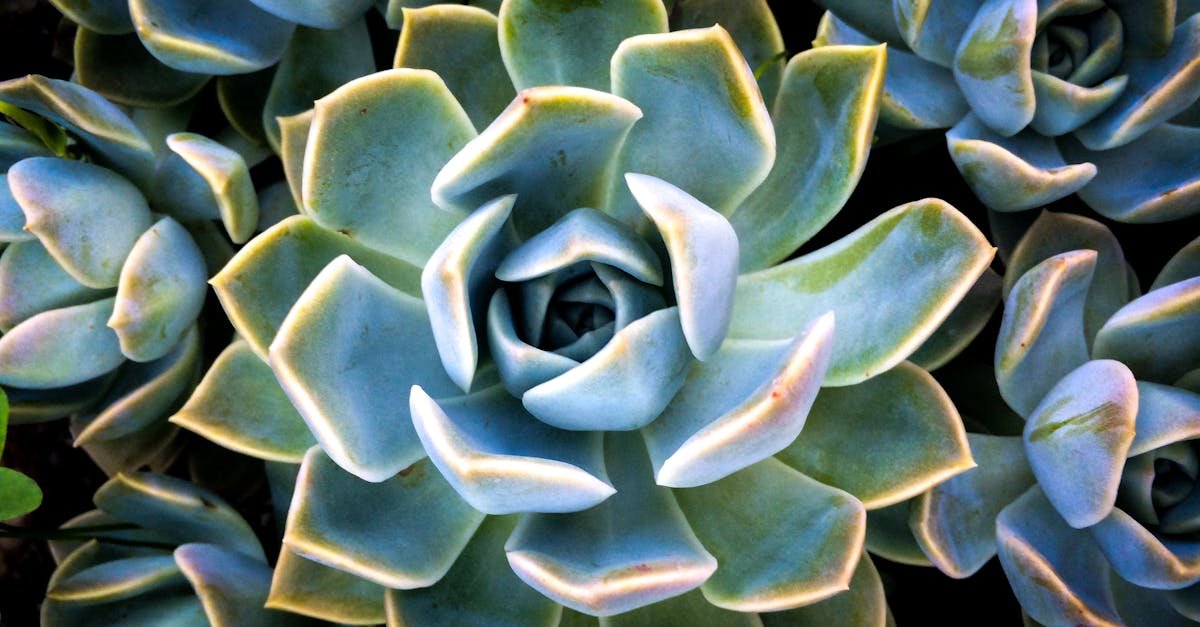
Succulents can be easy plants to grow. Their thick leaves or stems hold water. That helps them live through dry spells. It also means they need care that is a little different from many other houseplants.
The main rule is simple. Give them plenty of light, fast-draining soil, and time to dry between drinks. A wet pot is often a bigger risk than a dry one.
There is no perfect watering calendar. A small clay pot may dry fast. A large plastic pot may stay wet much longer. Heat, light, soil, and the time of year also change how fast water is used.
Light needs also vary by plant. Many succulents like very bright light. Yet a plant moved from a house into hot outdoor sun can burn. A slow change is safer.
Good drainage ties the whole care plan together. Water should move through the soil and out of the pot. Roots need both water and air.
Start with these basics, then watch the plant. Firm growth, good color, and a steady shape are useful clues. Soft leaves, black stems, or long weak growth tell you it is time to adjust your care.
Water Only When the Mix Dries
Water well when the potting mix is dry. Let water run from the drain hole. Then empty the saucer. Wait for the mix to dry before you water again. The University of Minnesota Extension succulent guide gives the same basic advice: water well, use good drainage, and let the soil dry between waterings.
Do not rely on a rule such as “once a week.” Check the pot instead. Lift it to learn how a dry pot feels. You can also check the mix with a finger or a wooden stick. If you want another simple plant-care example, our Huernia zebrina care guide shows why dry periods matter for a succulent plant.
Wrinkled leaves can mean a plant is thirsty. Soft, yellow, or see-through leaves may point to too much water. Rot can also make stems dark and soft. When in doubt, check the roots and soil before adding more water.
Give Succulents Plenty of Light
Most common succulents grow best with strong light. A bright window is a good start indoors. If growth leans or stretches, the plant may need more light. A grow light can help in a dark room. A small LED grow light can be useful when window light is weak.
Do not move a plant from indoor light straight into harsh afternoon sun. Start with a protected spot or morning sun. Add more sun over several days. This helps reduce pale or brown sunburn marks.
Some kinds need more sun than others. Learn the name of your plant when you can. That makes it easier to match its light, water, and cold tolerance to the right spot.
Use a Pot That Drains
A drain hole is one of the best safeguards against rot. Terra-cotta pots can also help because they lose moisture through the sides. Plastic works too, but it may stay damp longer.
Use a loose mix that drains fast. A ready-made cactus and succulent potting mix is an easy choice. You can also improve a potting mix with coarse mineral material such as pumice or perlite.
Seedlings need a different balance because tiny roots dry fast. Our seed germination guide explains how moisture, air, and temperature work together when young plants are getting started.
Repot With Care
Repot when roots fill the pot, the mix breaks down, or water no longer drains well. Move up only a little in pot size. A huge pot holds extra wet soil around a small root system.
Take the plant out with care. Brush away loose old mix. Cut off roots that are black, soft, or dead. If roots are badly damaged, let cuts dry before you pot the plant again.
Feed Lightly
Succulents do not need heavy feeding. A weak houseplant fertilizer during active growth is often enough. Too much can cause weak growth or salt buildup. Follow the product label and use less rather than more.
Plant care gets easier when you group plants by need. The same idea helps with a larger collection. Our houseplant collection guide has simple ways to track light, water, pests, and space.
Watch Temperature and Airflow
Many tender succulents do well at normal indoor temperatures. Keep them away from freezing air and cold glass. If you move pots outside for summer, bring tender kinds back in before cold weather can hurt them.
Airflow helps wet soil and leaves dry. This matters even more in humid places. Give pots a little space instead of packing them tight together. For more ideas on keeping a large indoor collection manageable, Plant Hoarder is a useful related plant site.
Propagate the Right Way
Many succulents can grow from stem cuttings. Some can also grow from leaves. But not every succulent will root from a leaf, so check the needs of the species first.
For a stem cutting, use a clean blade. Let the cut surface dry. Place the stem in a loose, fast-draining mix. Keep it out of harsh sun while roots begin to form.
Simple Succulent Care Checklist
- Use a pot with a drain hole.
- Let the mix dry between deep waterings.
- Give the plant strong light.
- Move plants into direct sun slowly.
- Use a fast-draining mix.
- Feed lightly during active growth.
- Check often for rot, pests, and weak growth.
Succulent care does not need to be hard. Keep the roots from staying wet. Give the plant enough light. Use a pot and soil that drain well. Then let the plant show you what it needs.